Recipe for true depth-of-field craziness.
1) Take a photo at f/0.95.
2) Take 95 more photos (or fewer; it’s easy to overdo it for safety with the Sony A9.)
3) #brenizermethod

Recipe for true depth-of-field craziness.
1) Take a photo at f/0.95.
2) Take 95 more photos (or fewer; it’s easy to overdo it for safety with the Sony A9.)
3) #brenizermethod

There’s so much in this moment at Hans and Scott’s Tea ceremony… and so much more to come.

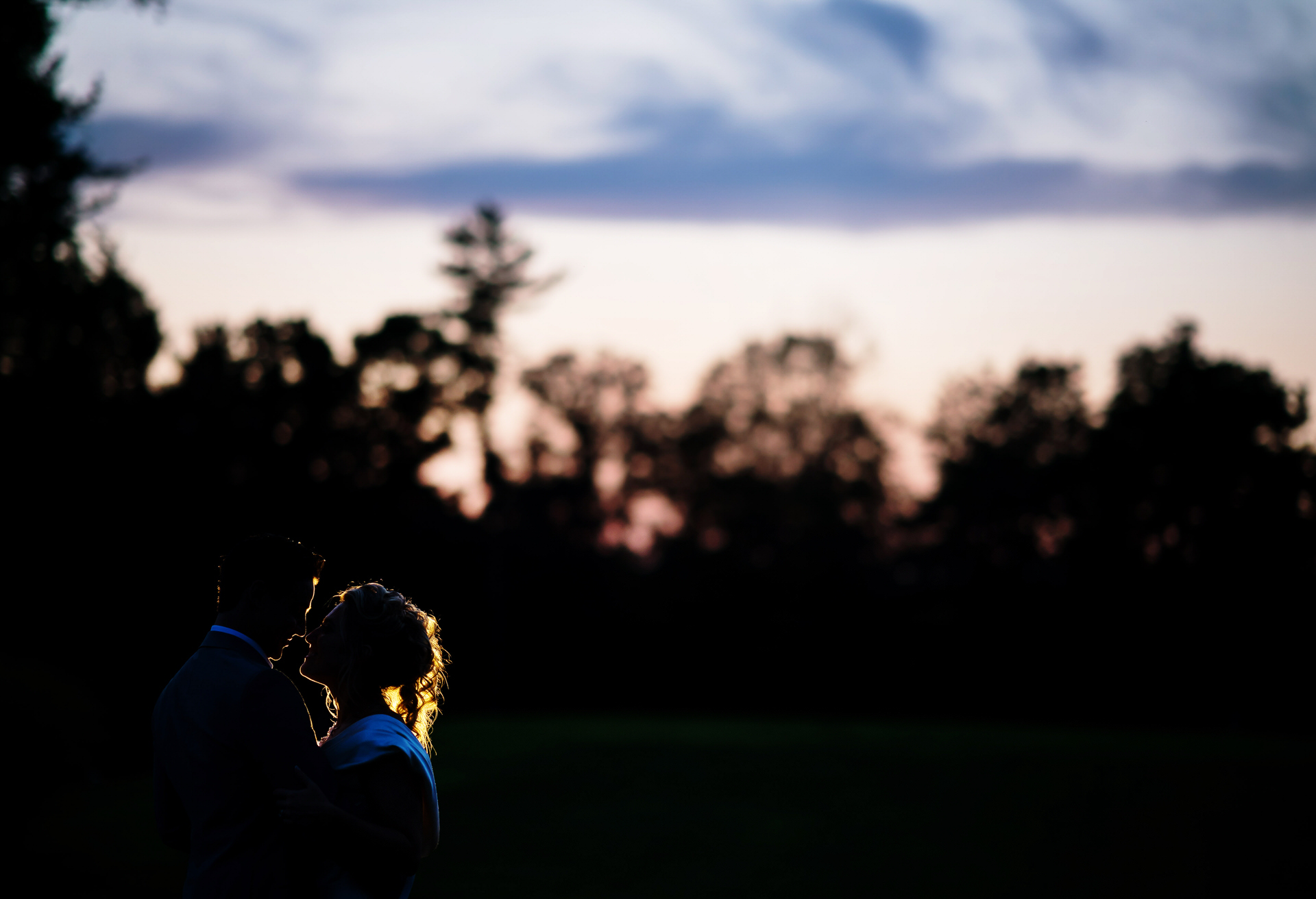
Love is being able to forget the world with each other on a warm summer night.
True love, like Noelle and Francis's, is being able to forget the world on a freaking freezing winter night like this.

A9, 85mm @ f/1.4, 1/200th, ISO 2000
When is a moment more than a moment? When it represents decades into the past and future.
Every time we photograph the little moments that might seem familiar, we keep in mind everything that has led to it. The hug of a father-daughter dance — or many similar moments — is a spark of deep emotion, but also represents all of the time these people imagined it, and all of the time they spent forming their connection.
We are already blown away by the idea that Gavin will be married one day, that we’ll be celebrating his own love story. We are living those moments in different but equally vivid ways as we will when we look back on it later, perusing the photos. Each of these perspectives can infuse so many of the smallest moments of wedding days, one of the many things that keeps them more fresh and exciting for us than ever.
The Mansion at Natirar is one of those places that seem to beautiful and spacious to belong in the crowded outskirts of New York City, in the most-dense state of the Union of New Jersey. But it’s there, with gorgeous grounds and winding roads and all sorts of areas that you would just love to lazily walk around in … that is, if it hadn’t been close to 100 degrees like it was for Eric and Stephanie’s wedding.
Luckily the heat and blazing sun couldn’t keep them down, and it was tears of joy, not sweat, that mostly rolled down their faces. It was one of those first looks that felt like the entire emotional quota of your normal wedding day had been packed into the first five minutes of seeing each other … and it only grew from there, the intimacy punctuated with exultant celebration. It was amazing to see Eric and Stephanie dance with nearly all of their guests, a whirlwind of inclusion and deep connections with everyone there.
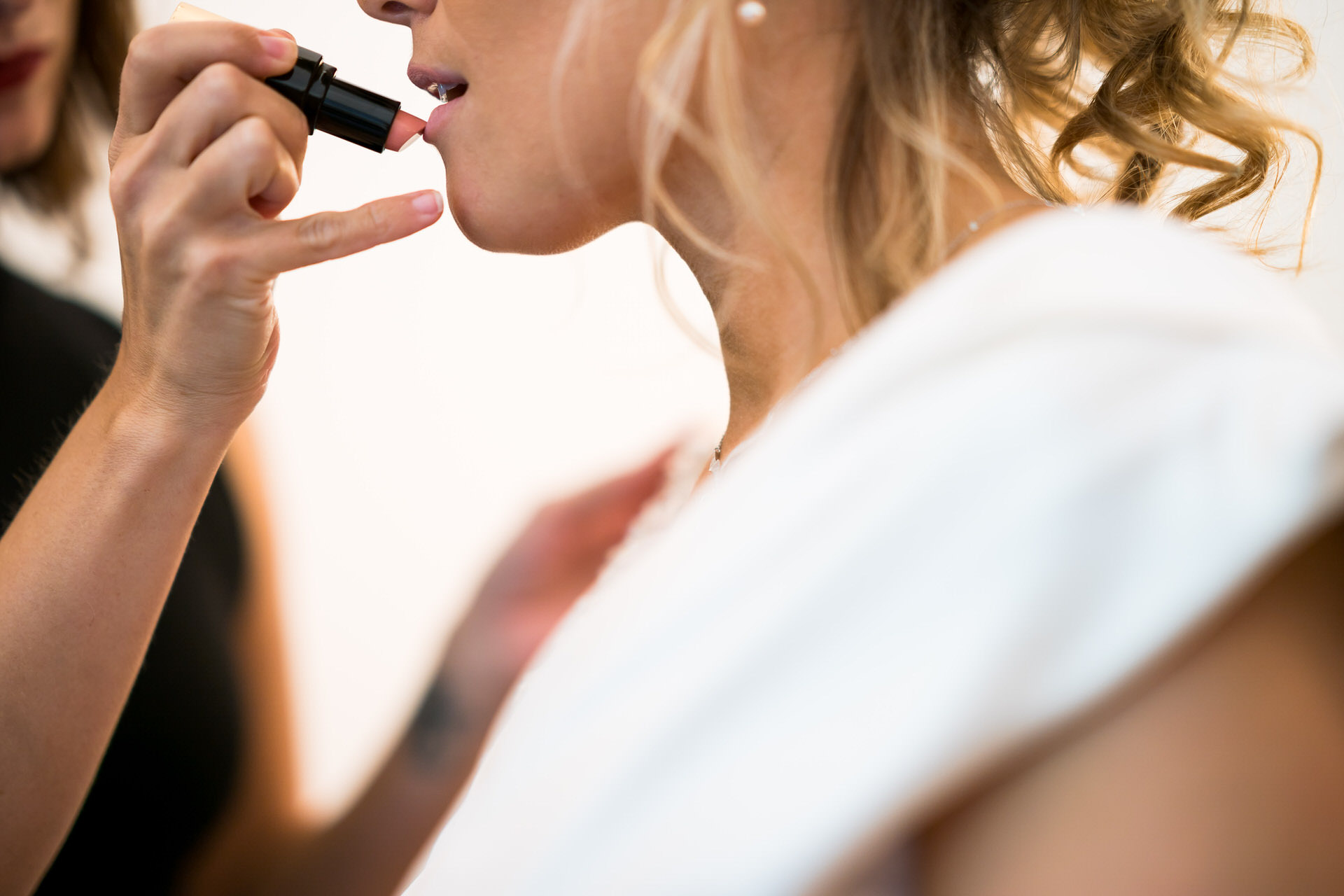
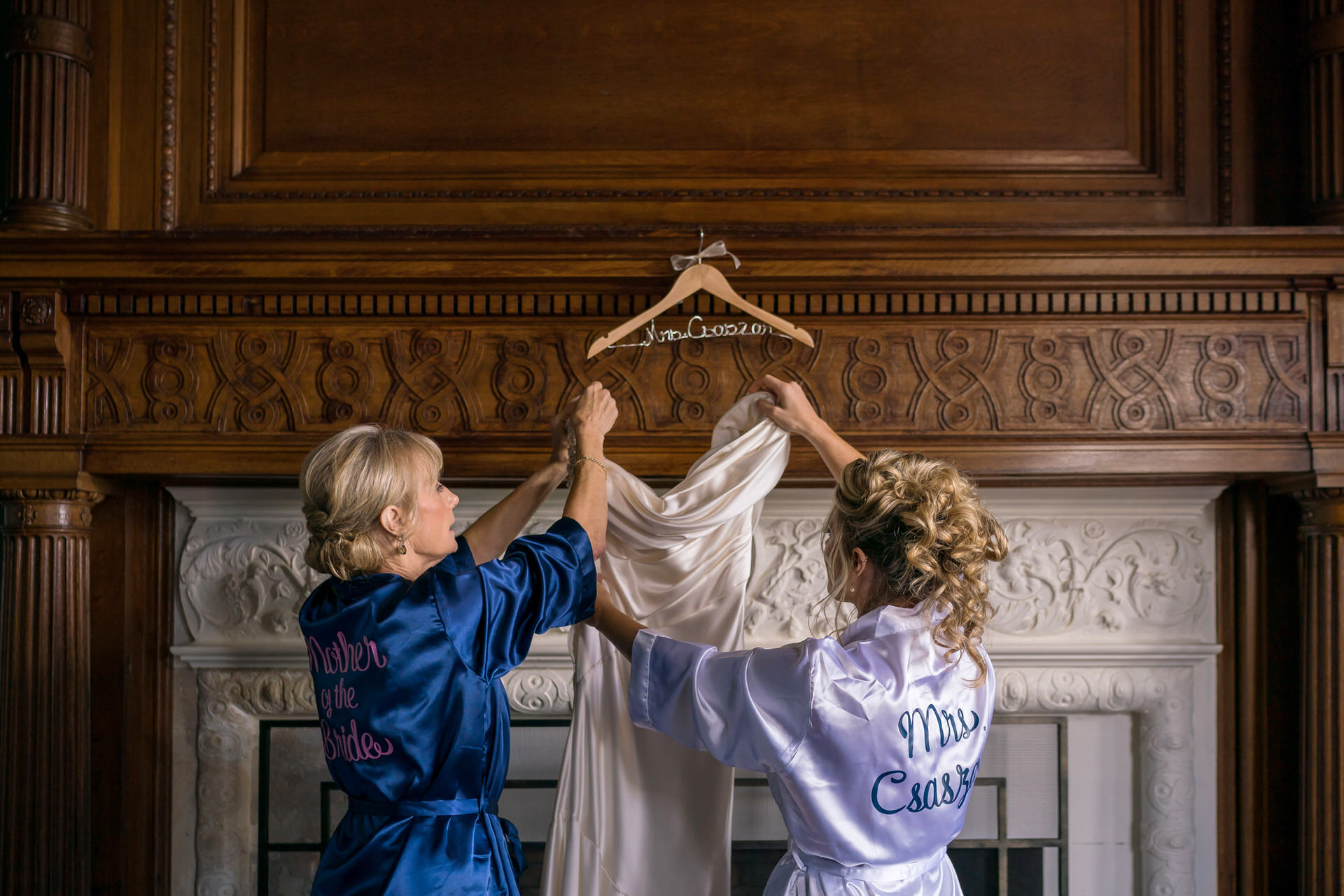
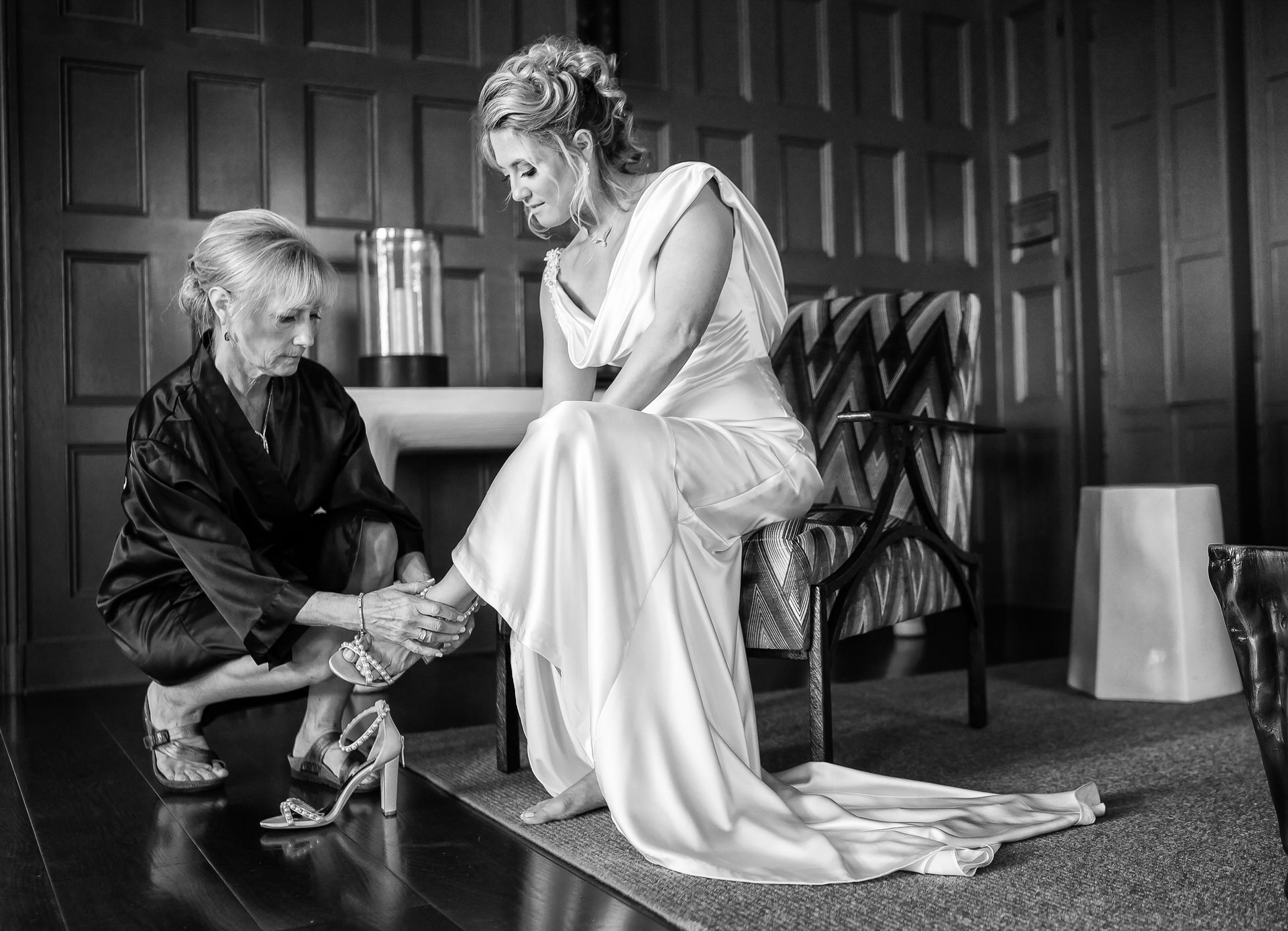
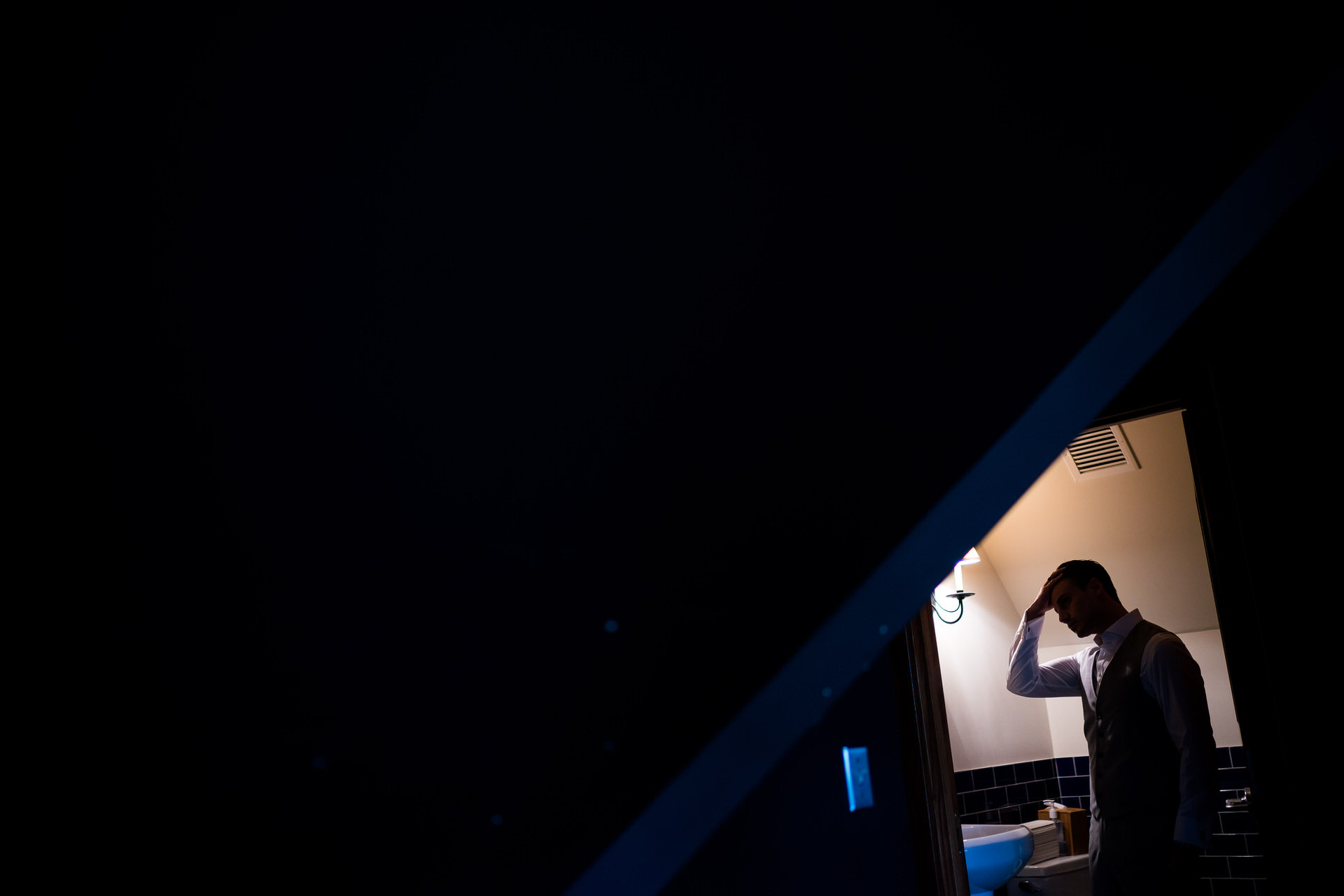
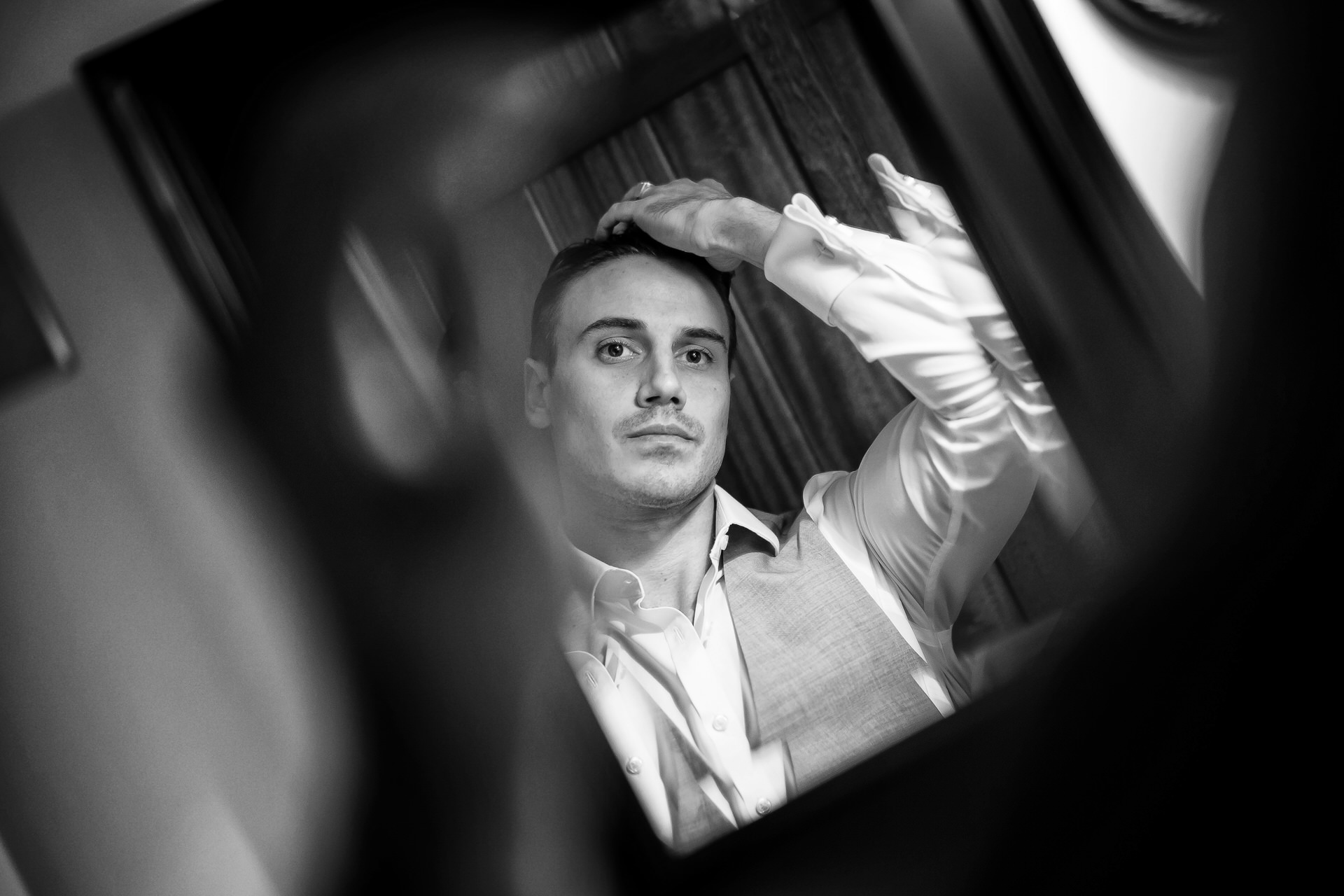
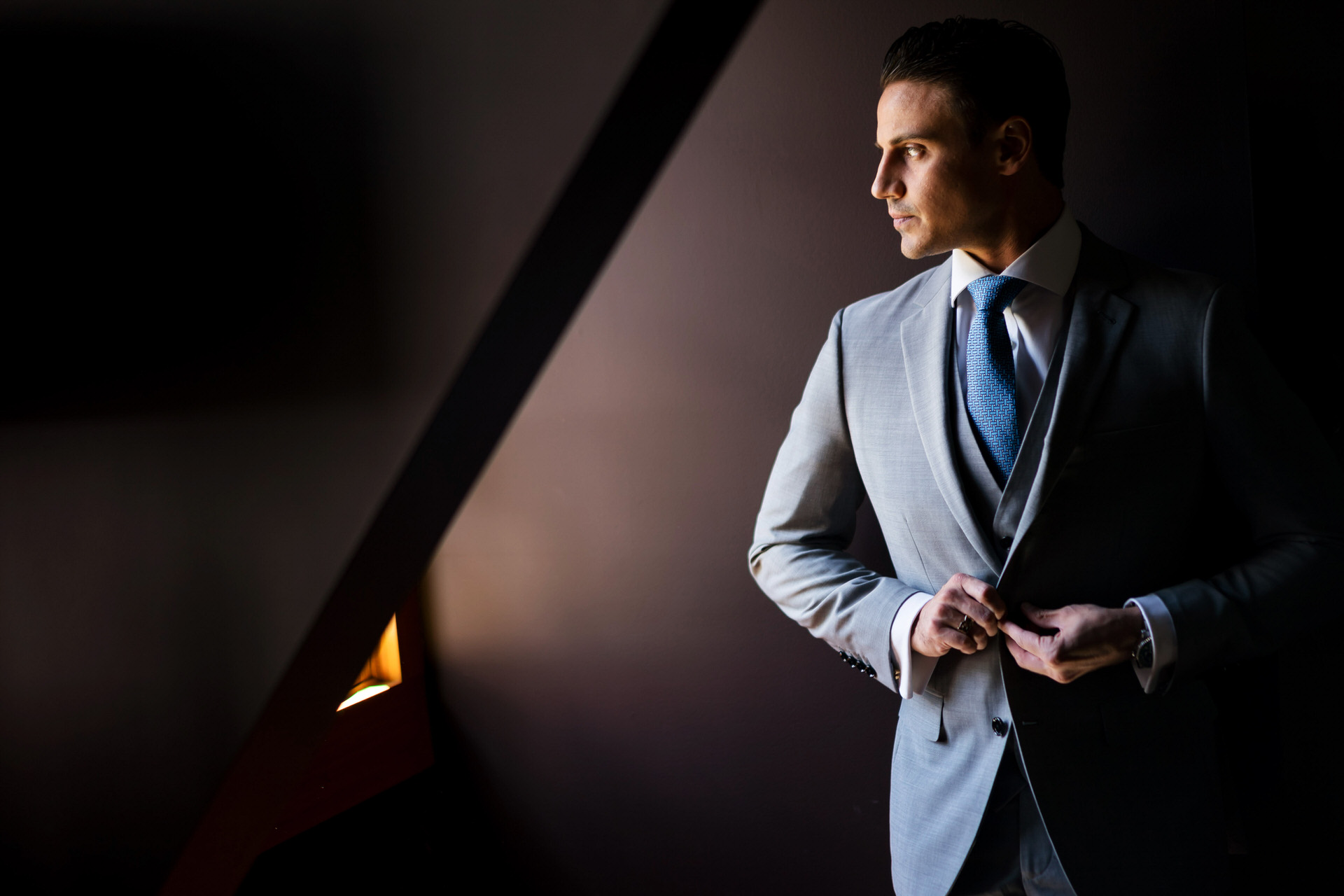
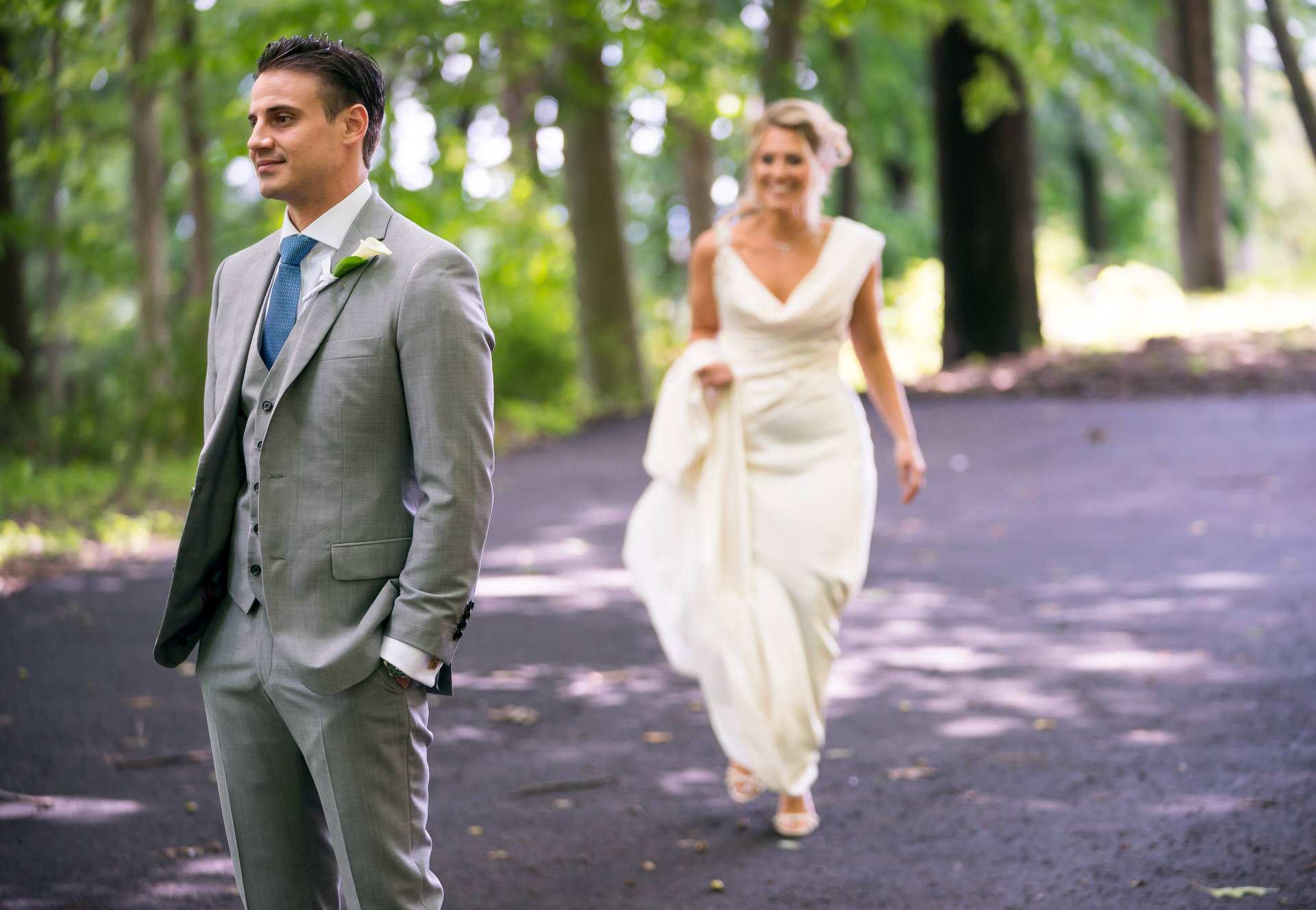
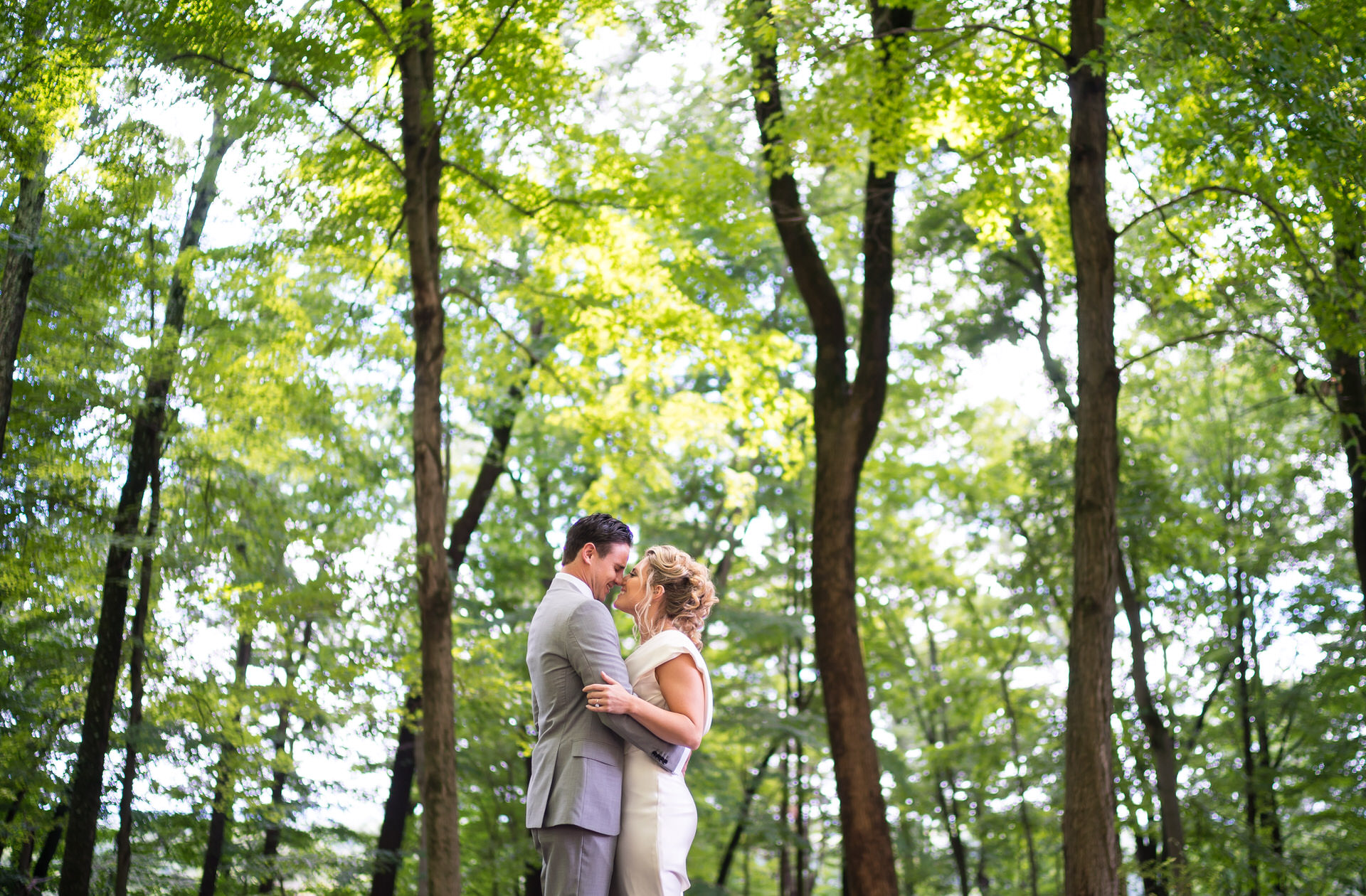
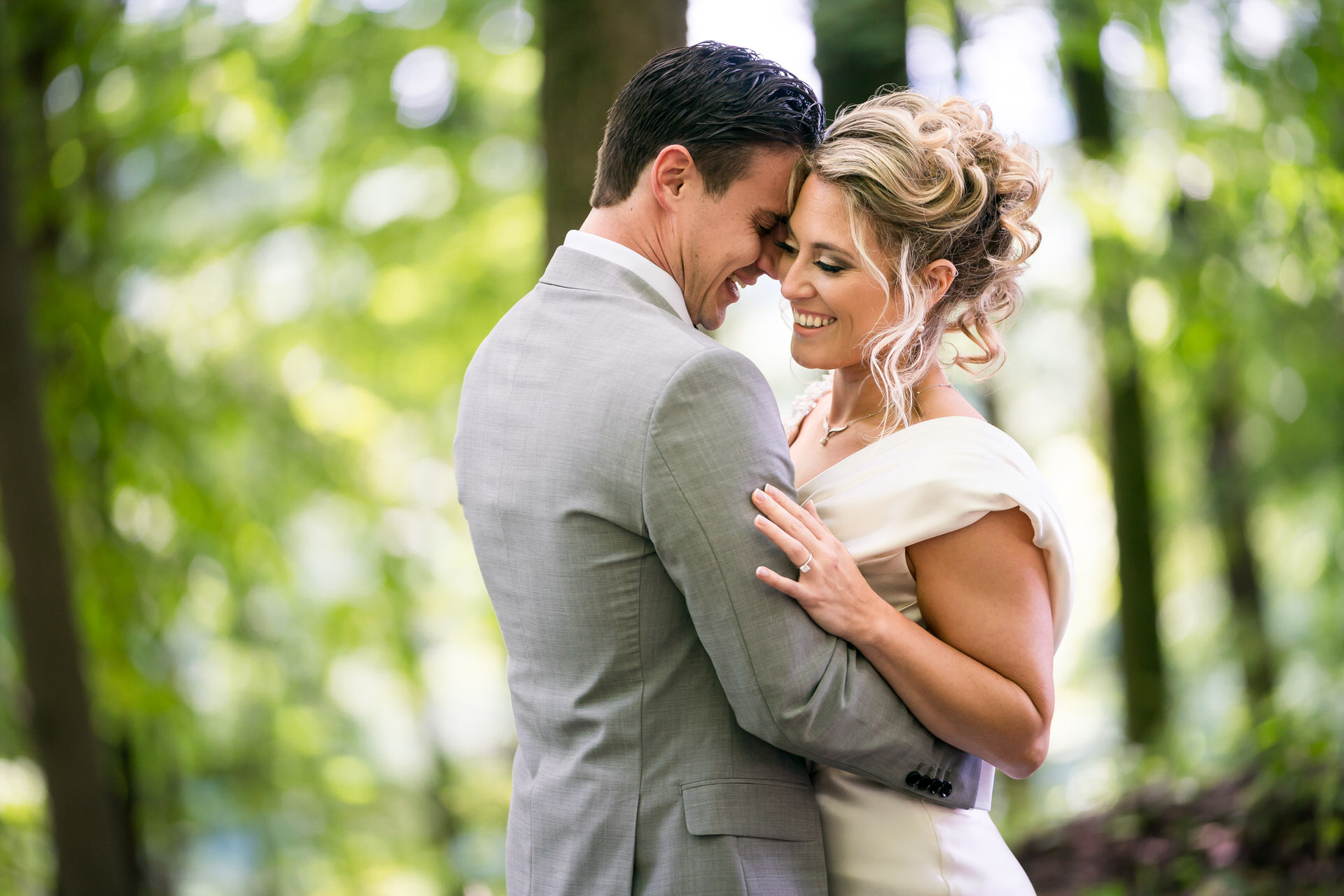
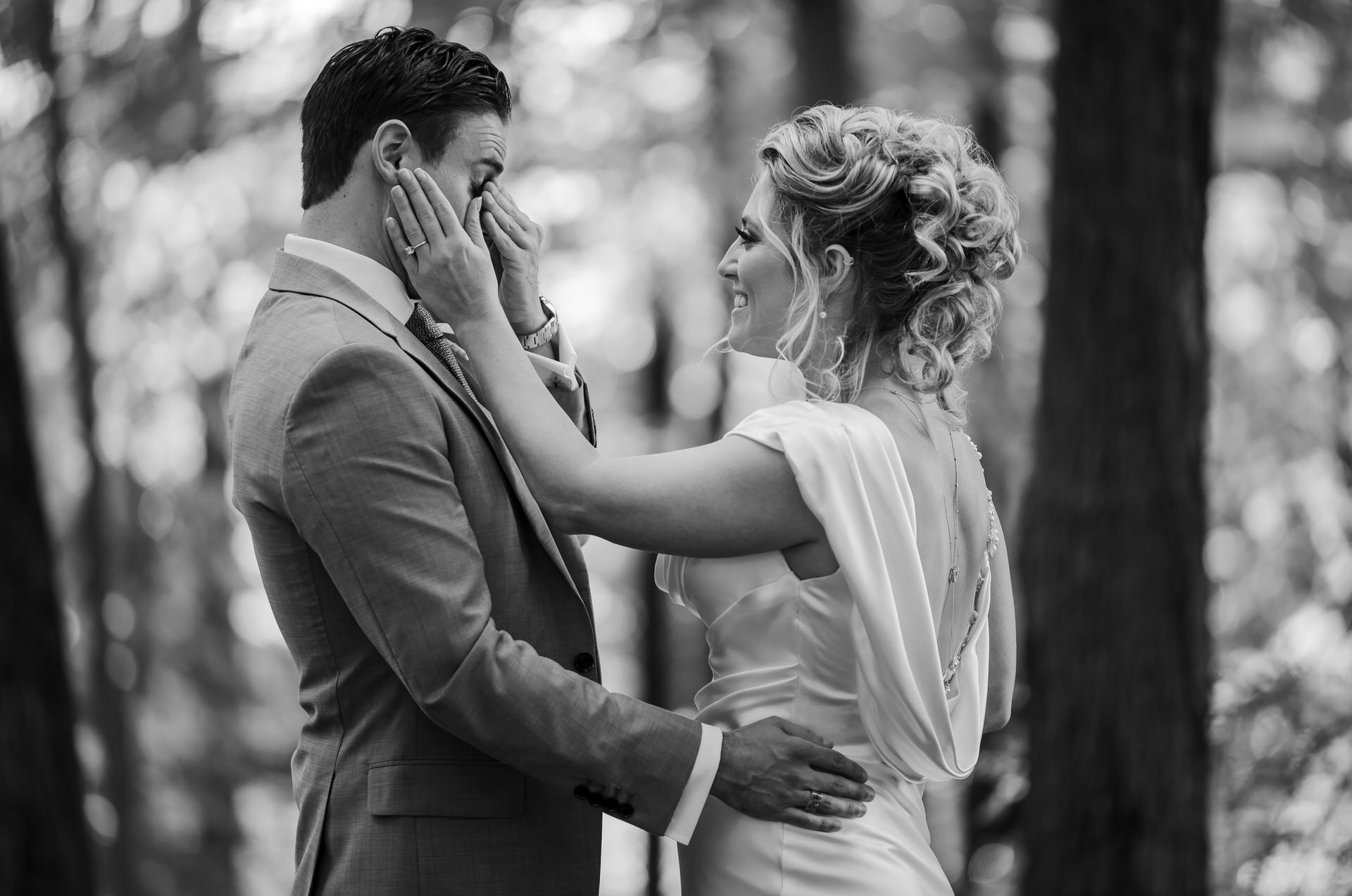
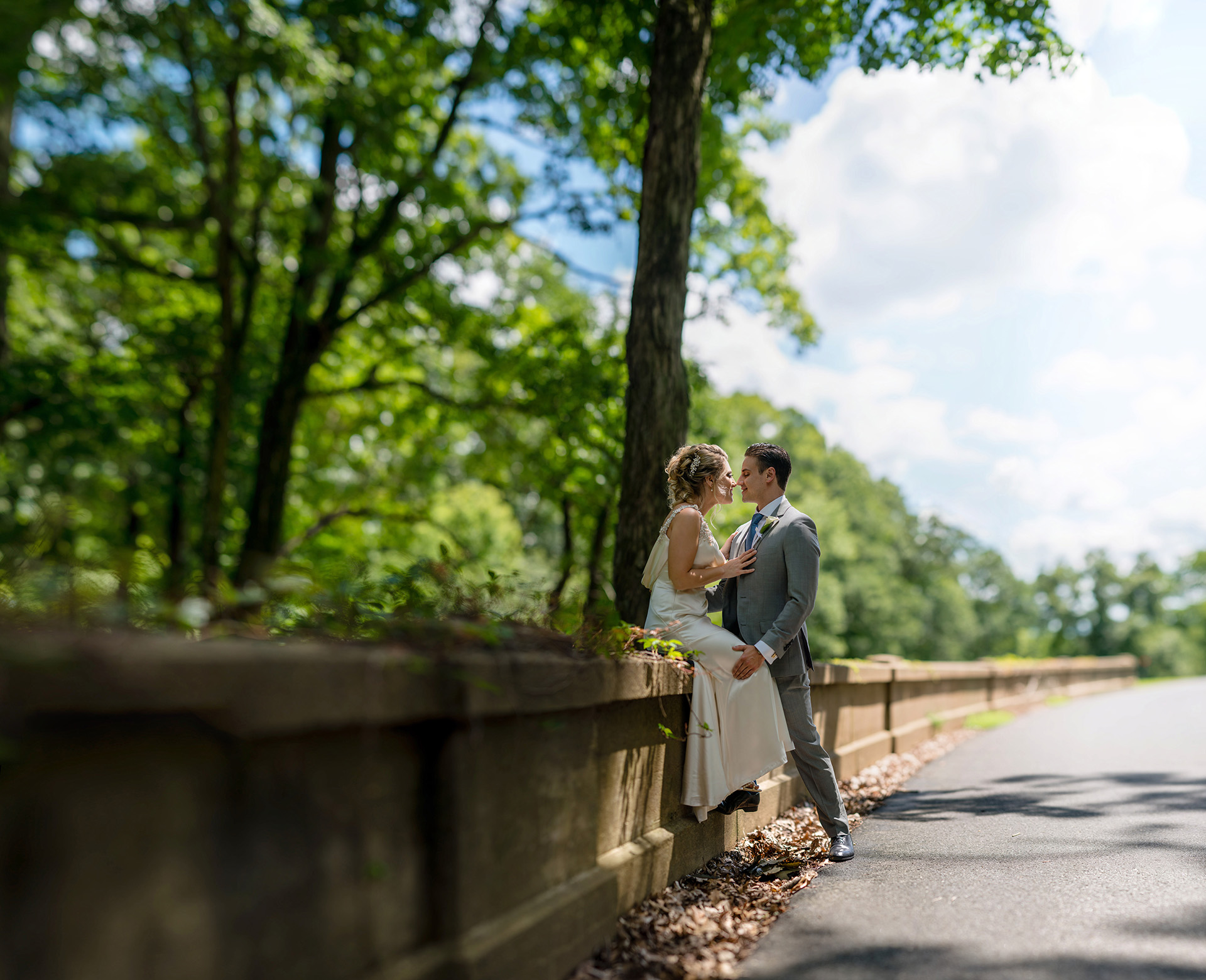
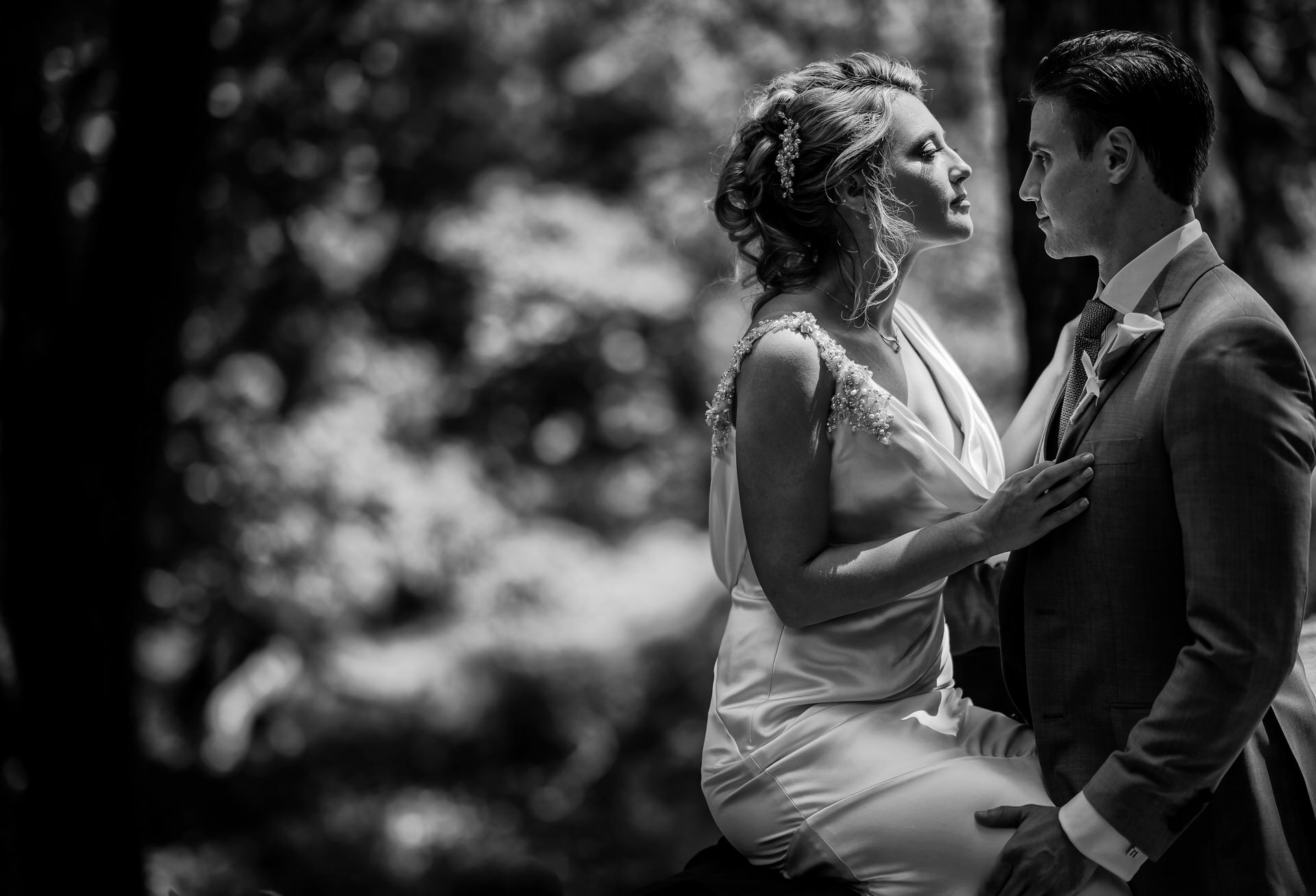
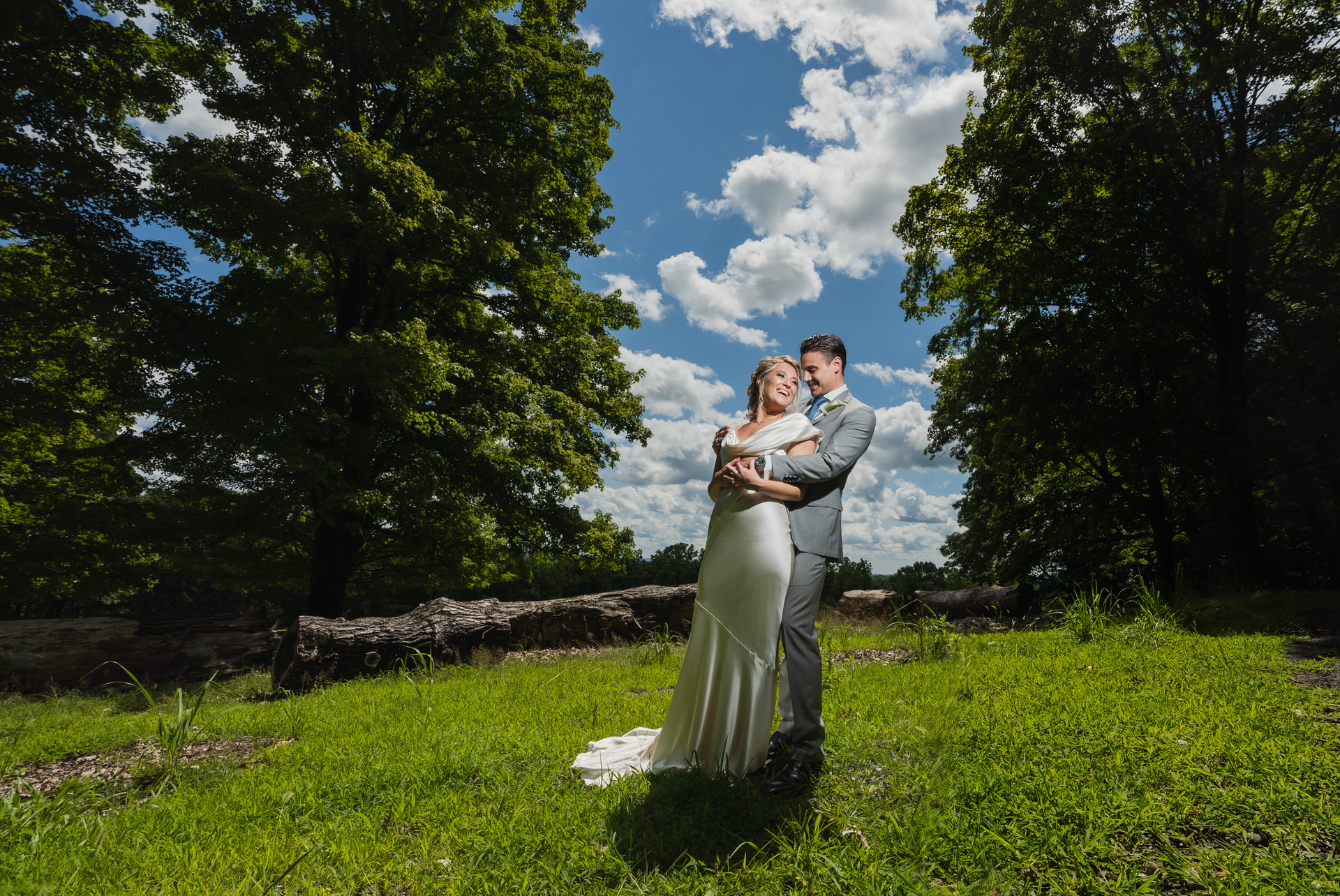
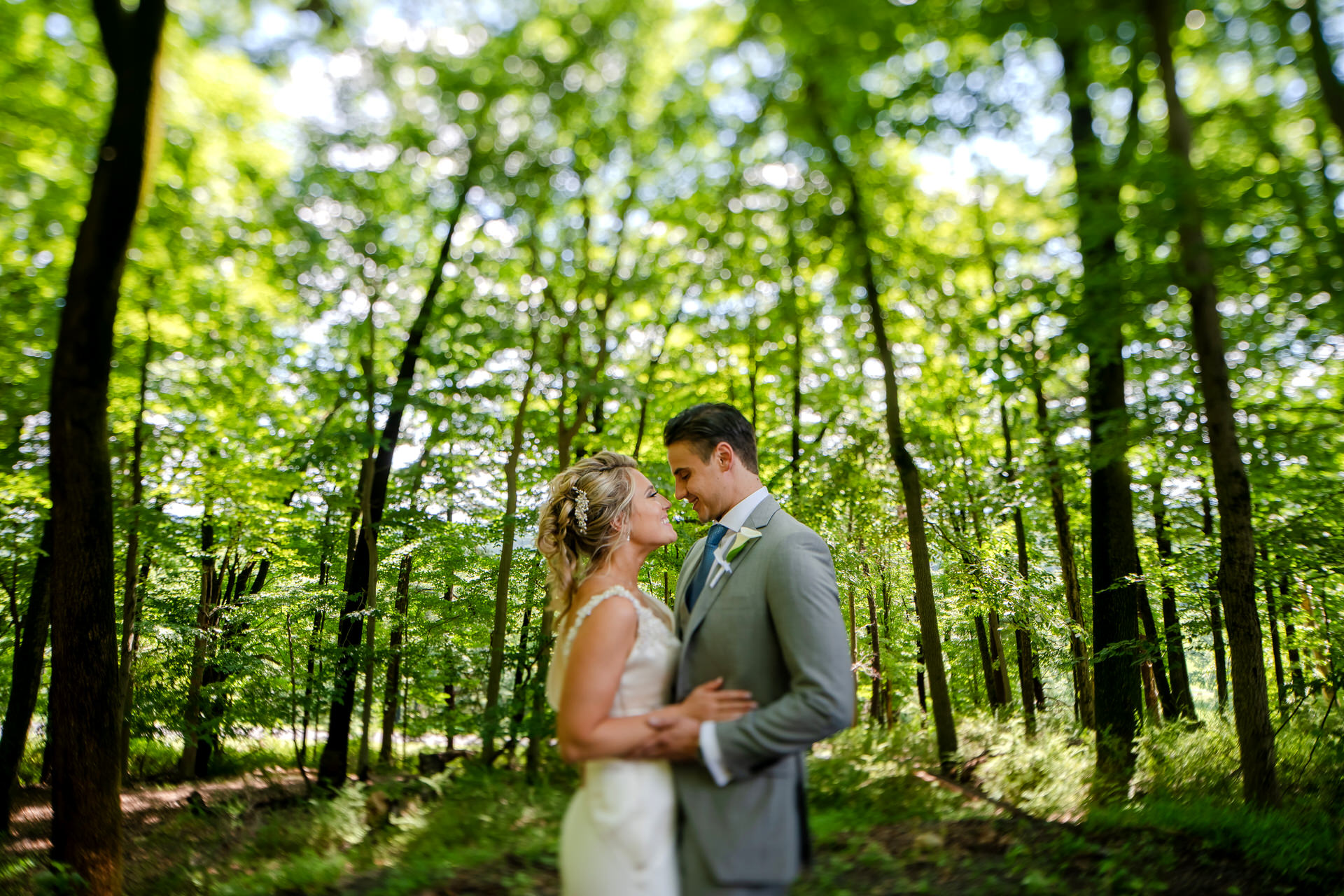
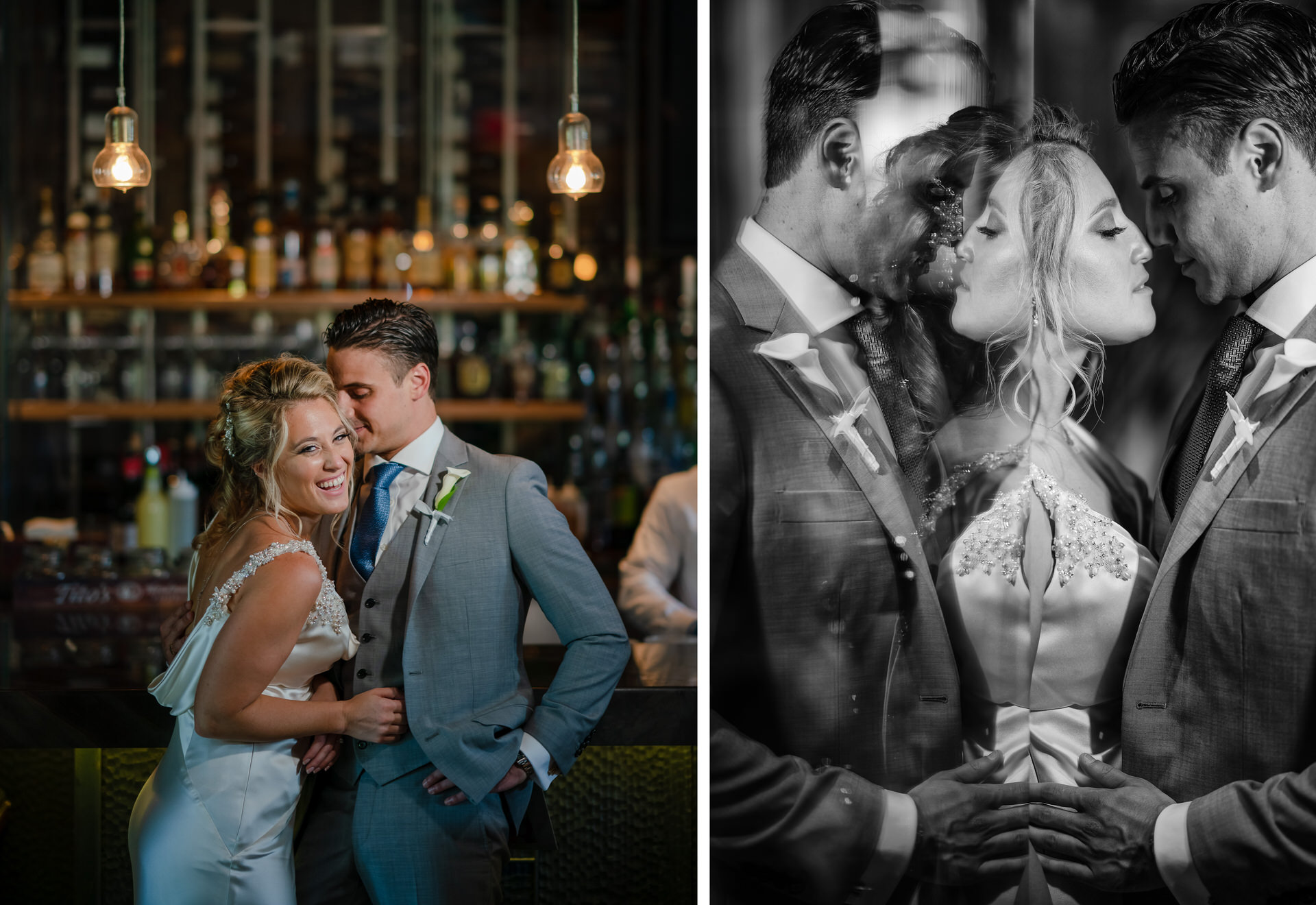
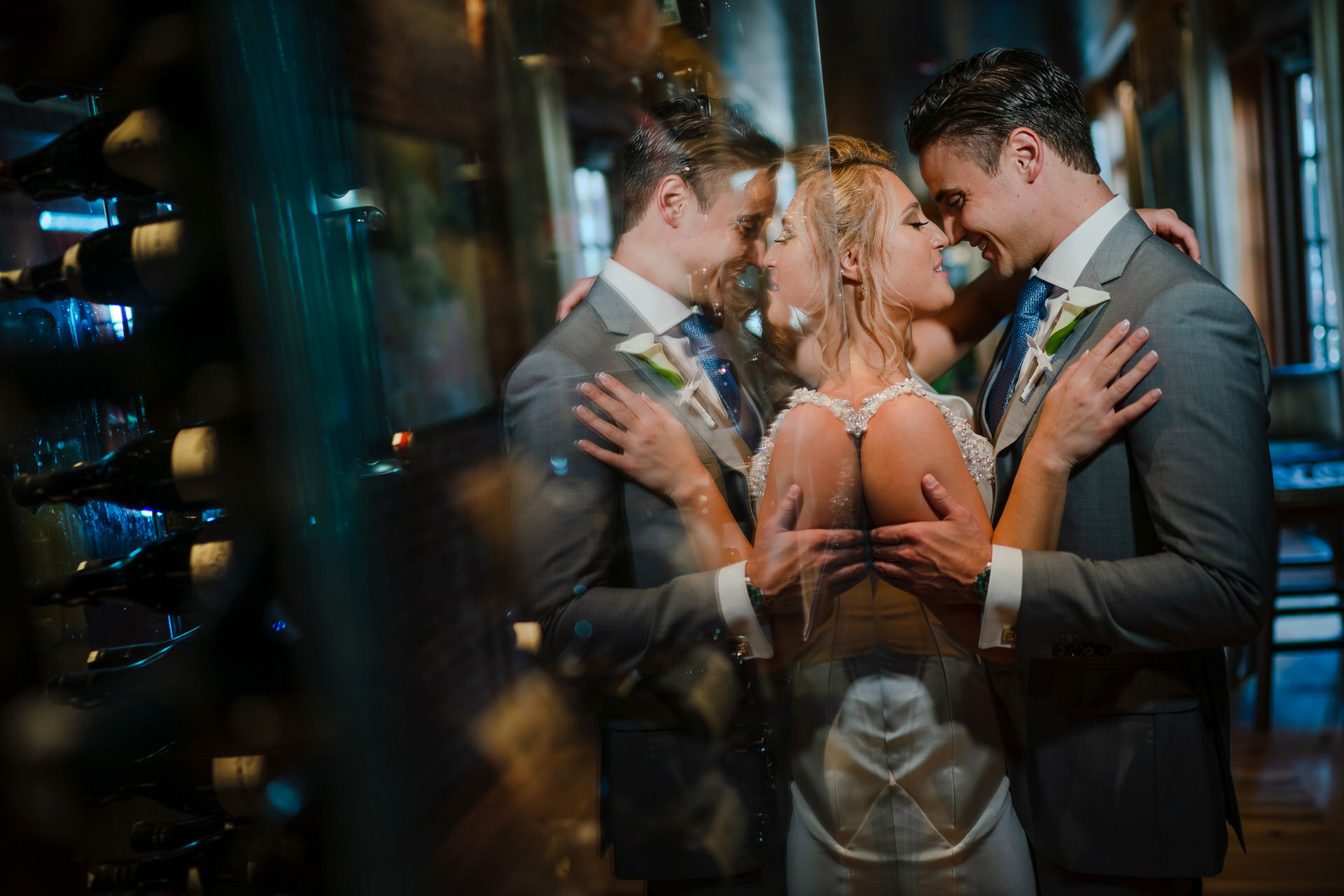
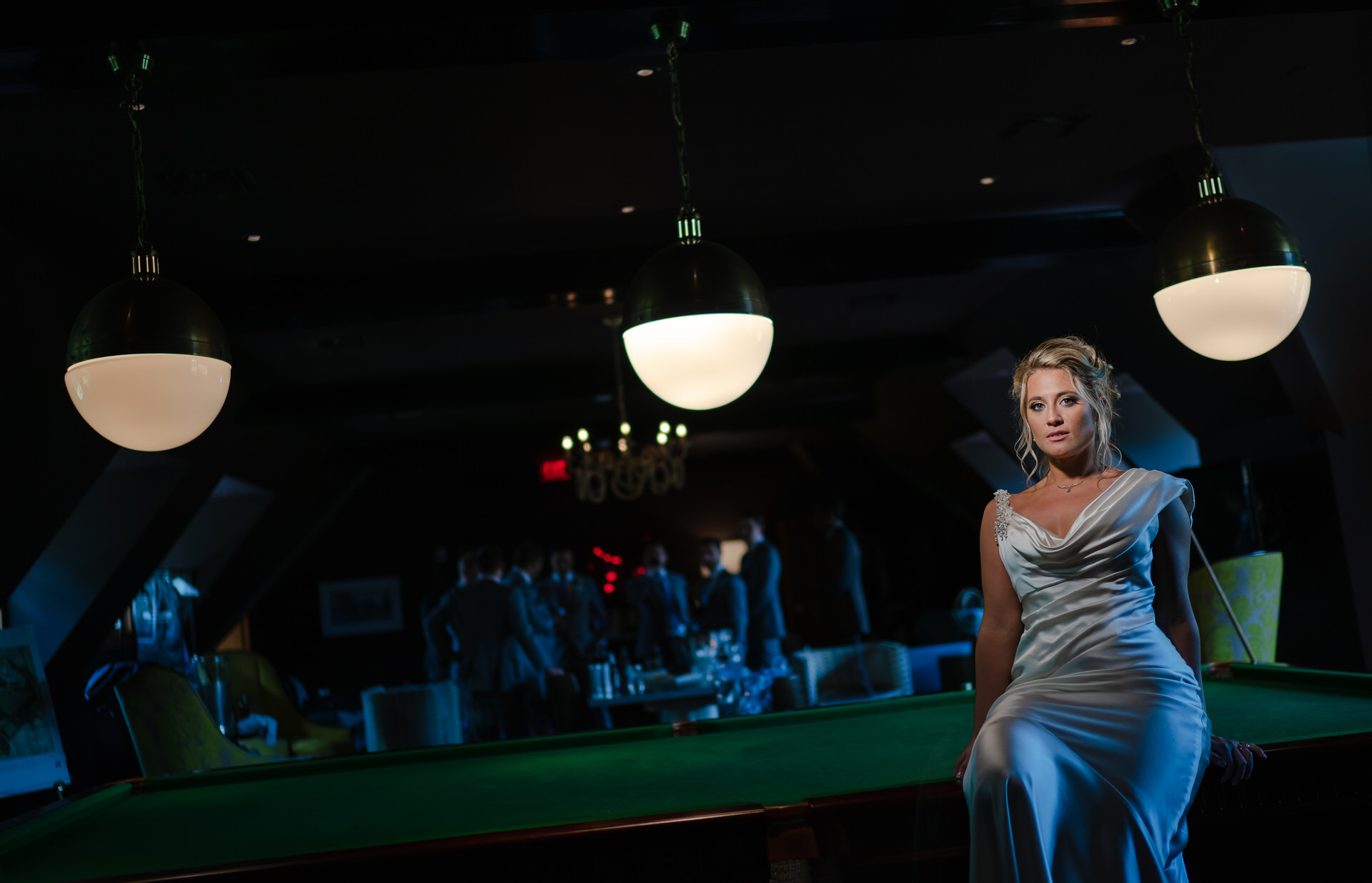
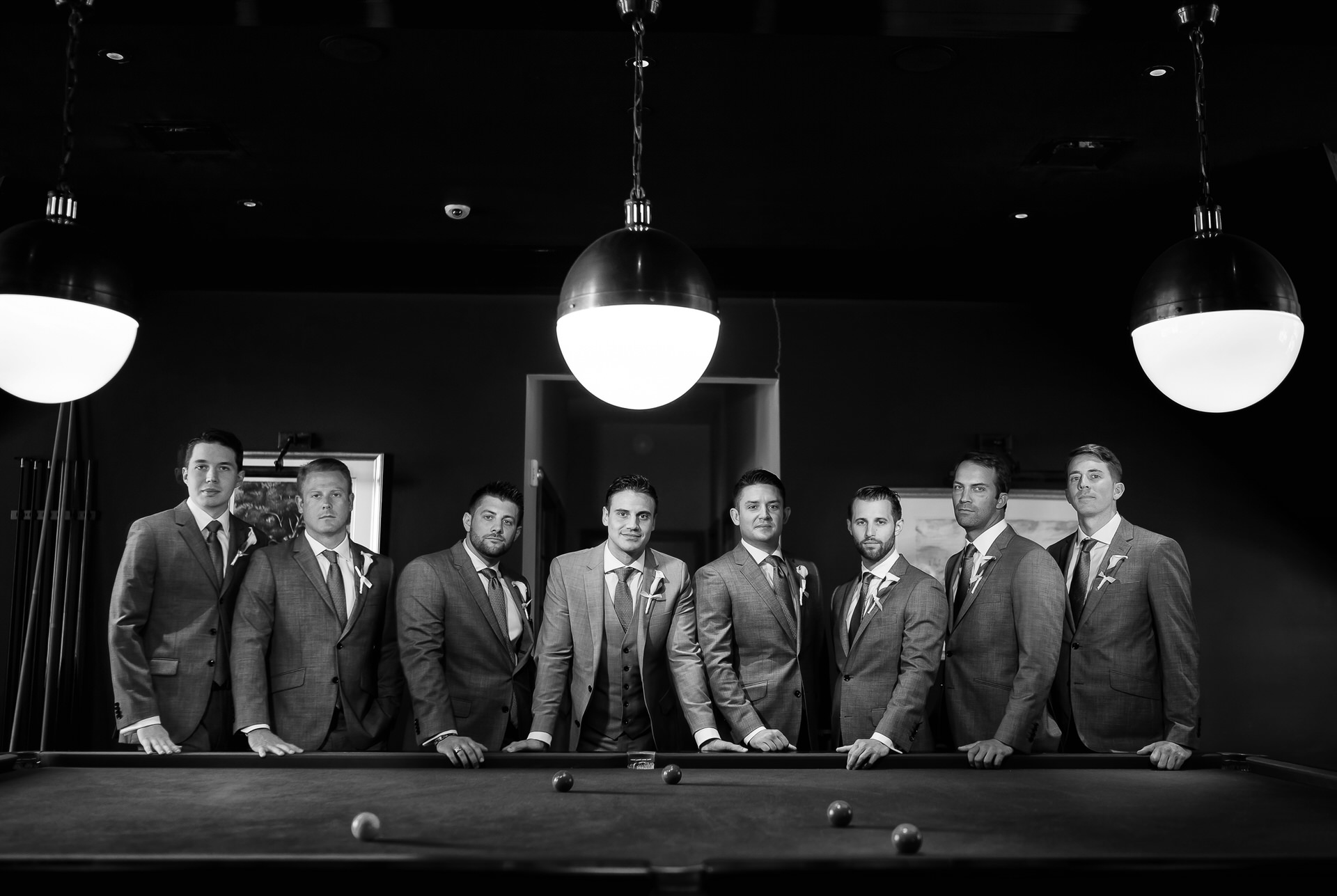
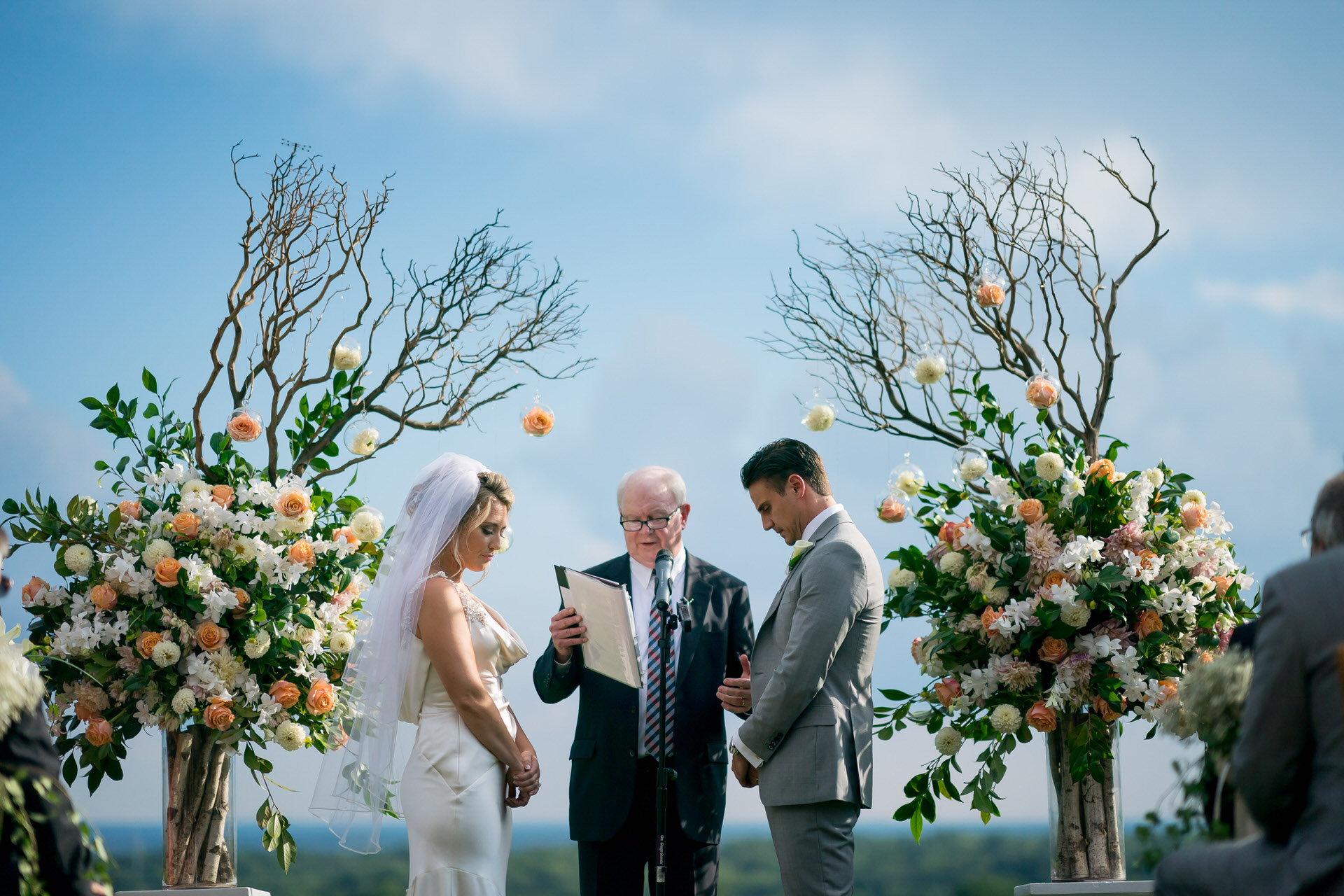
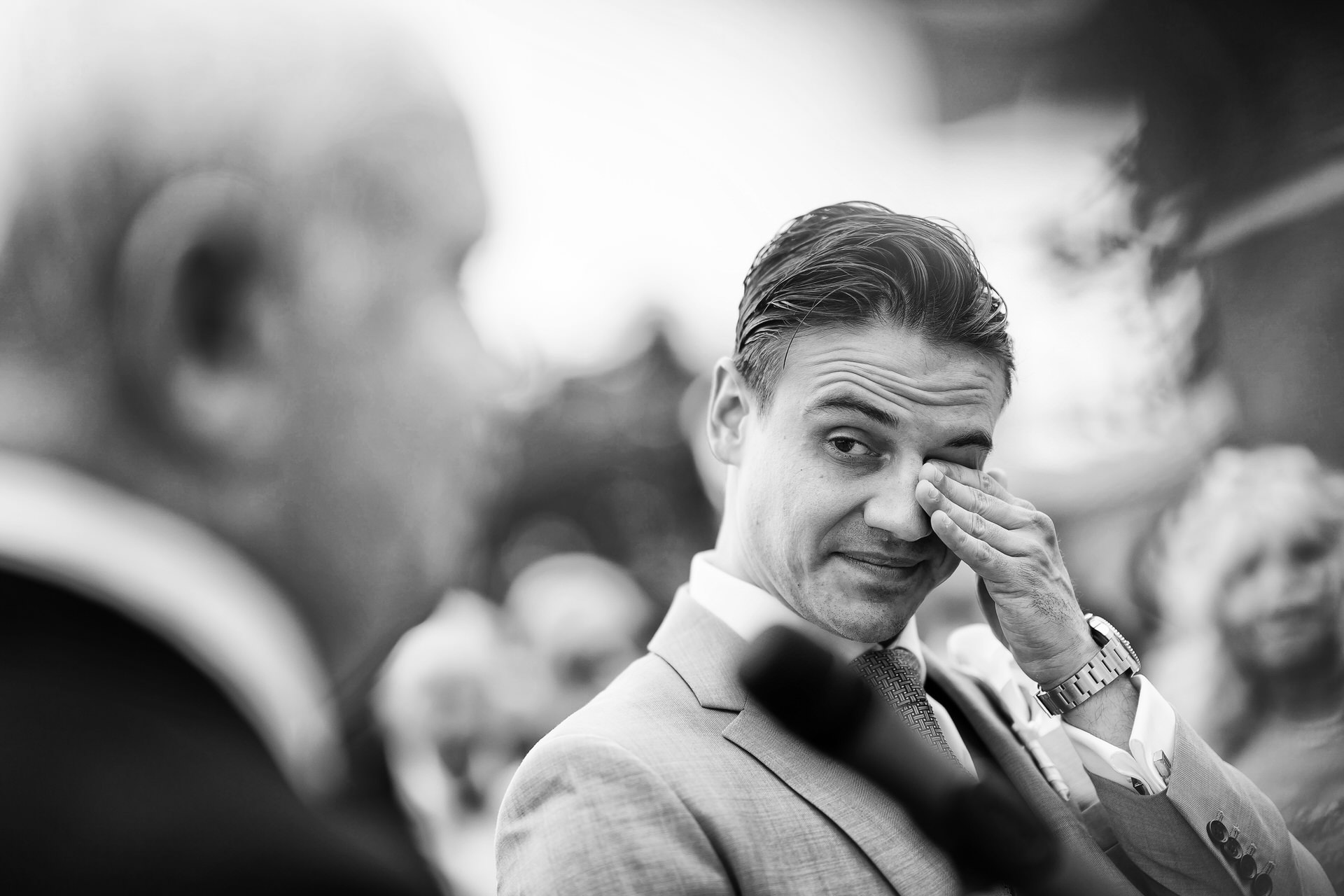
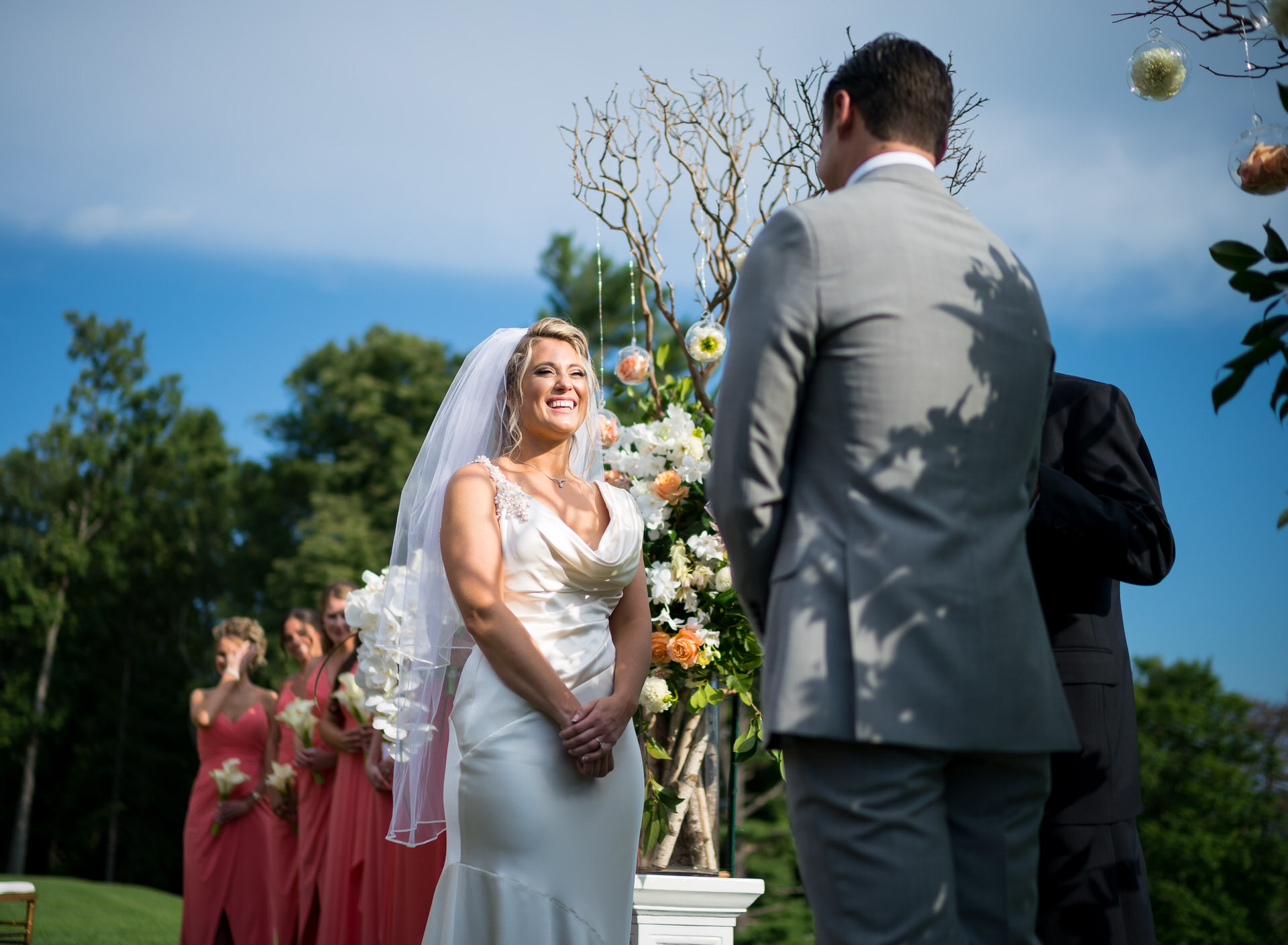
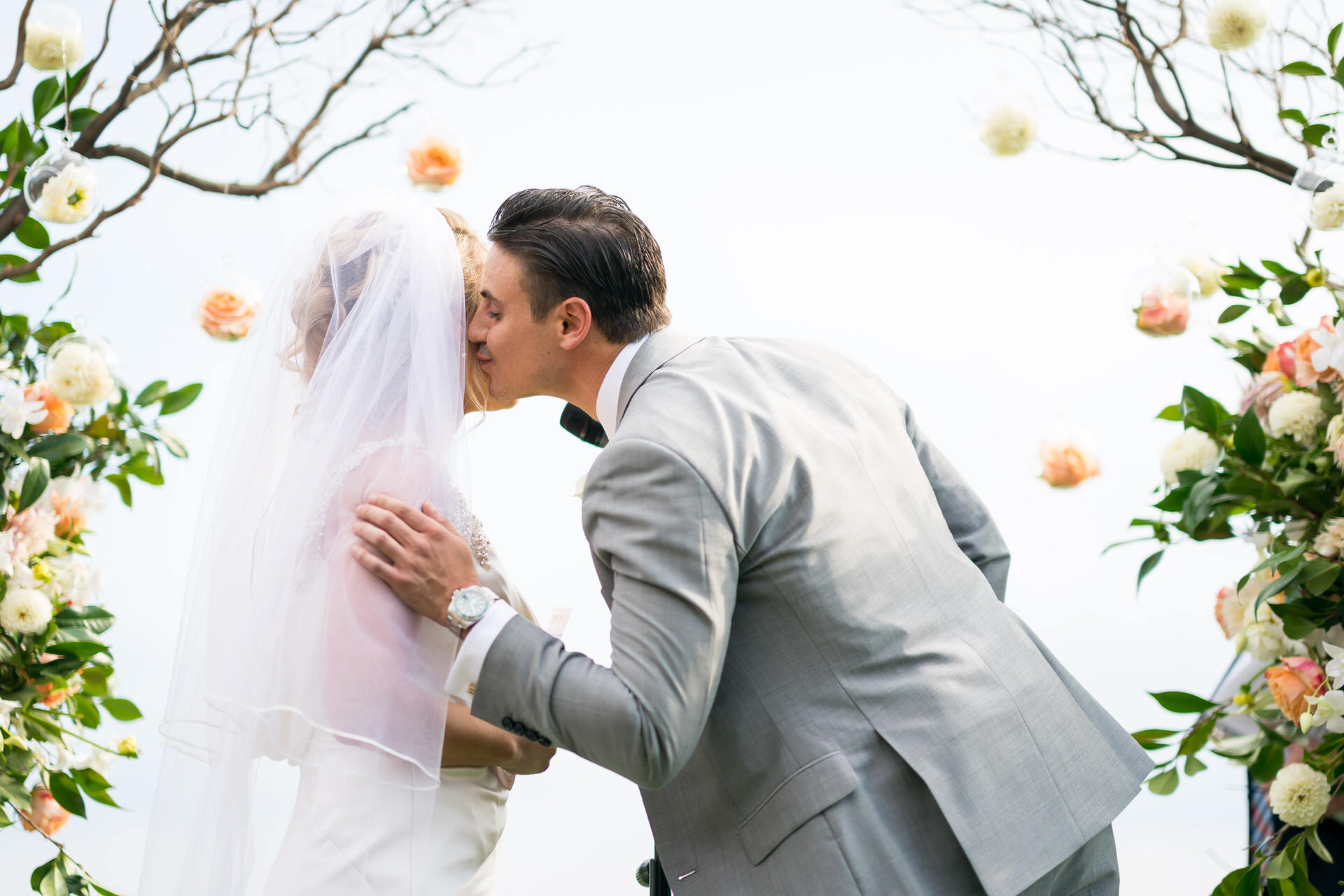
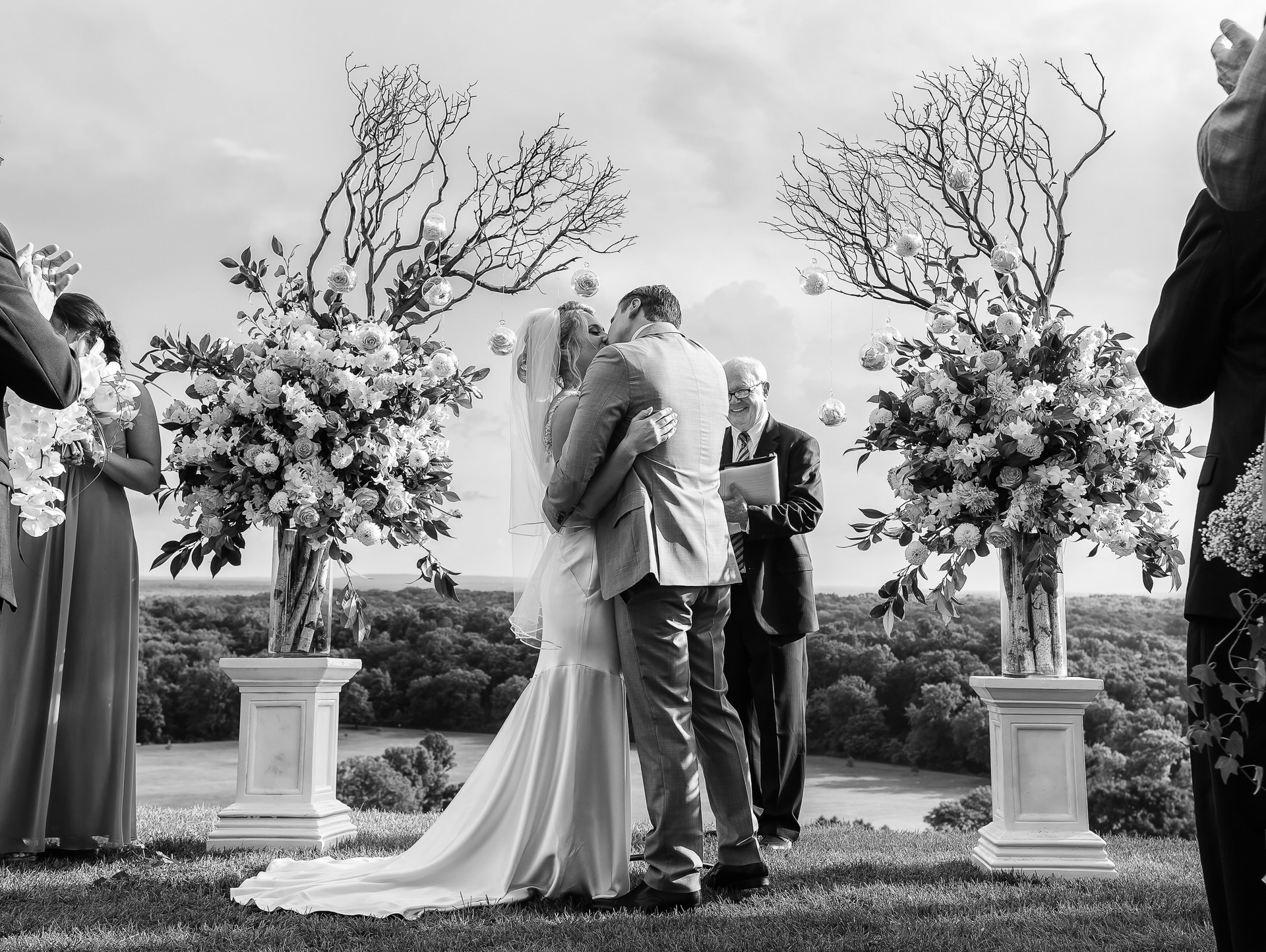
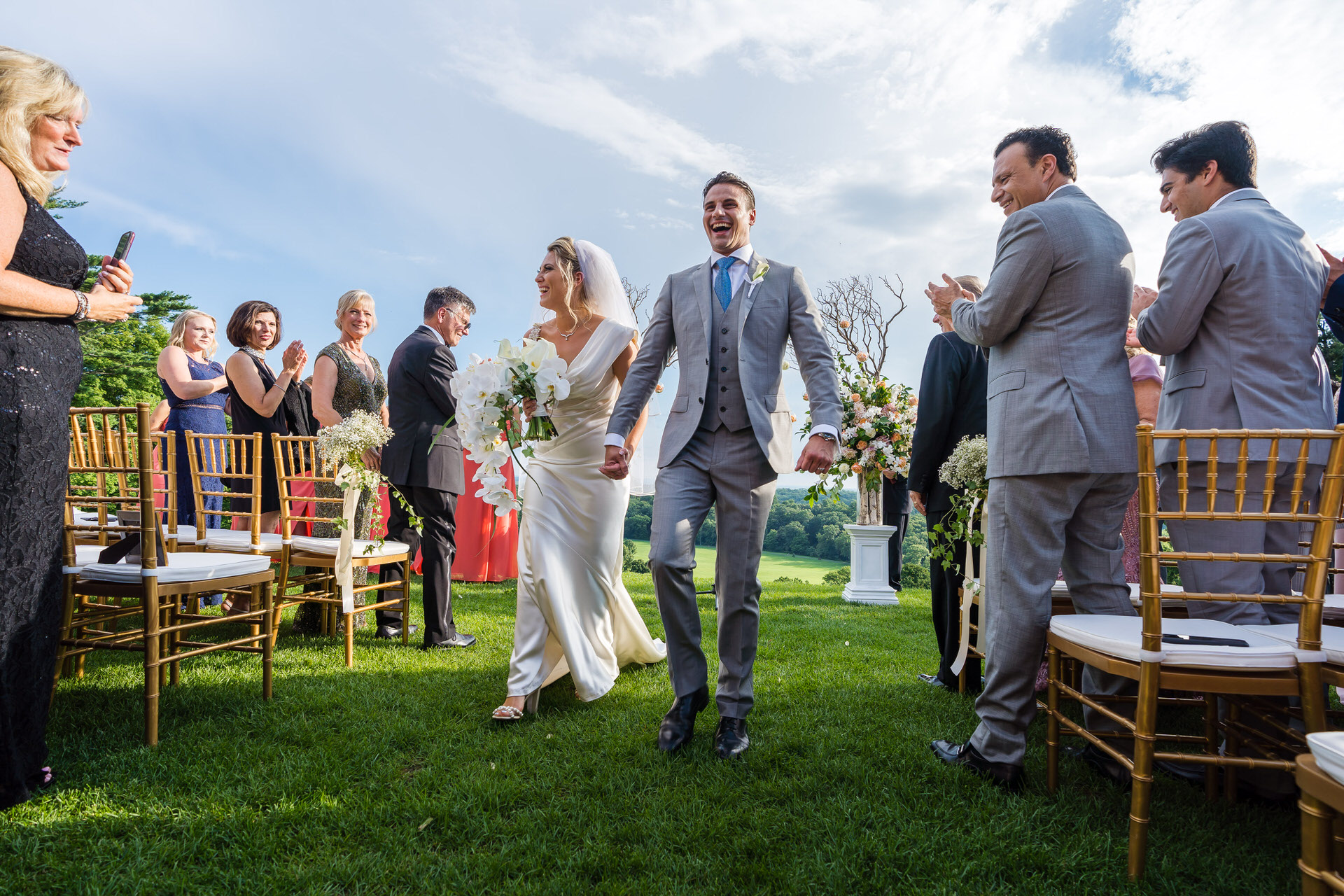
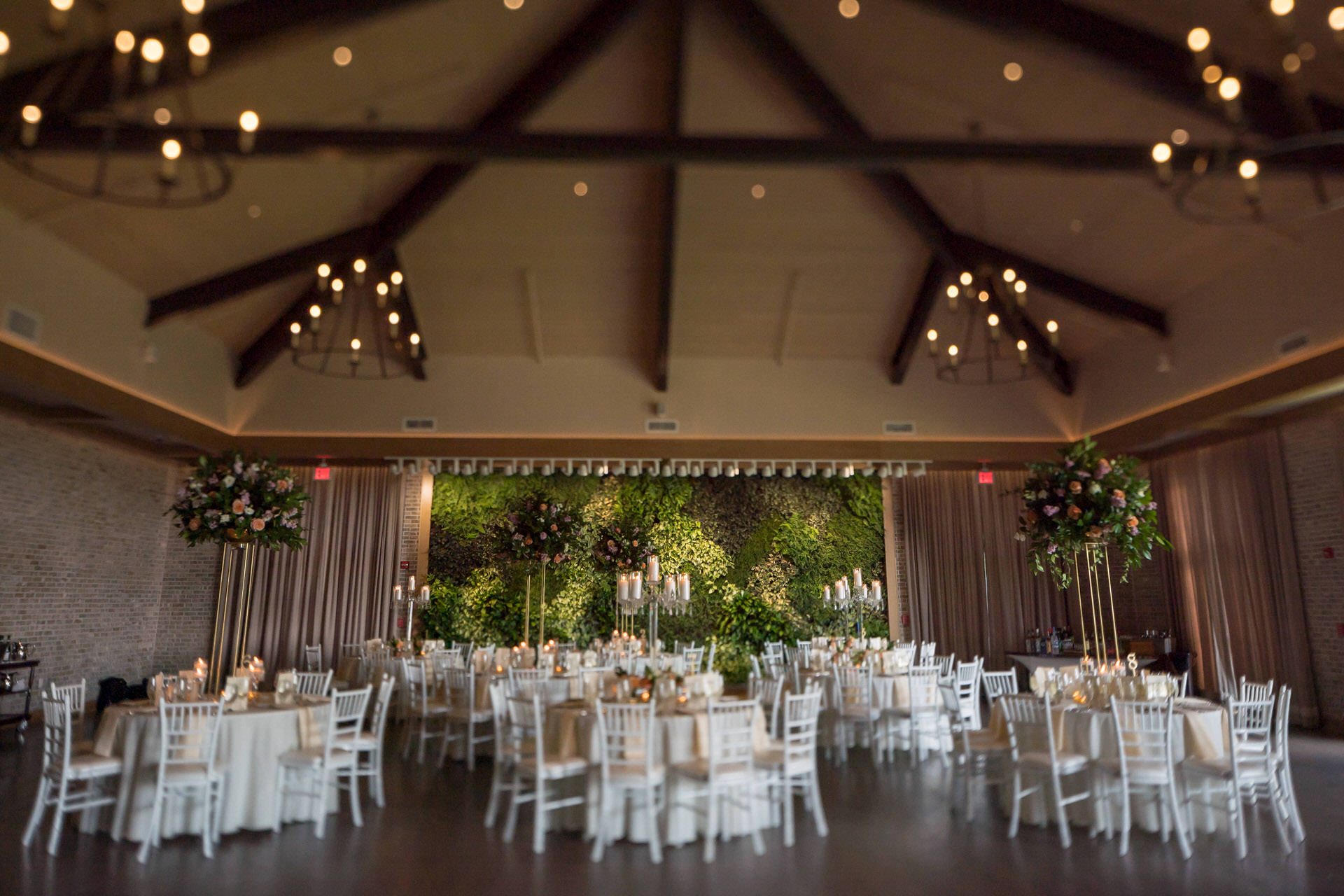
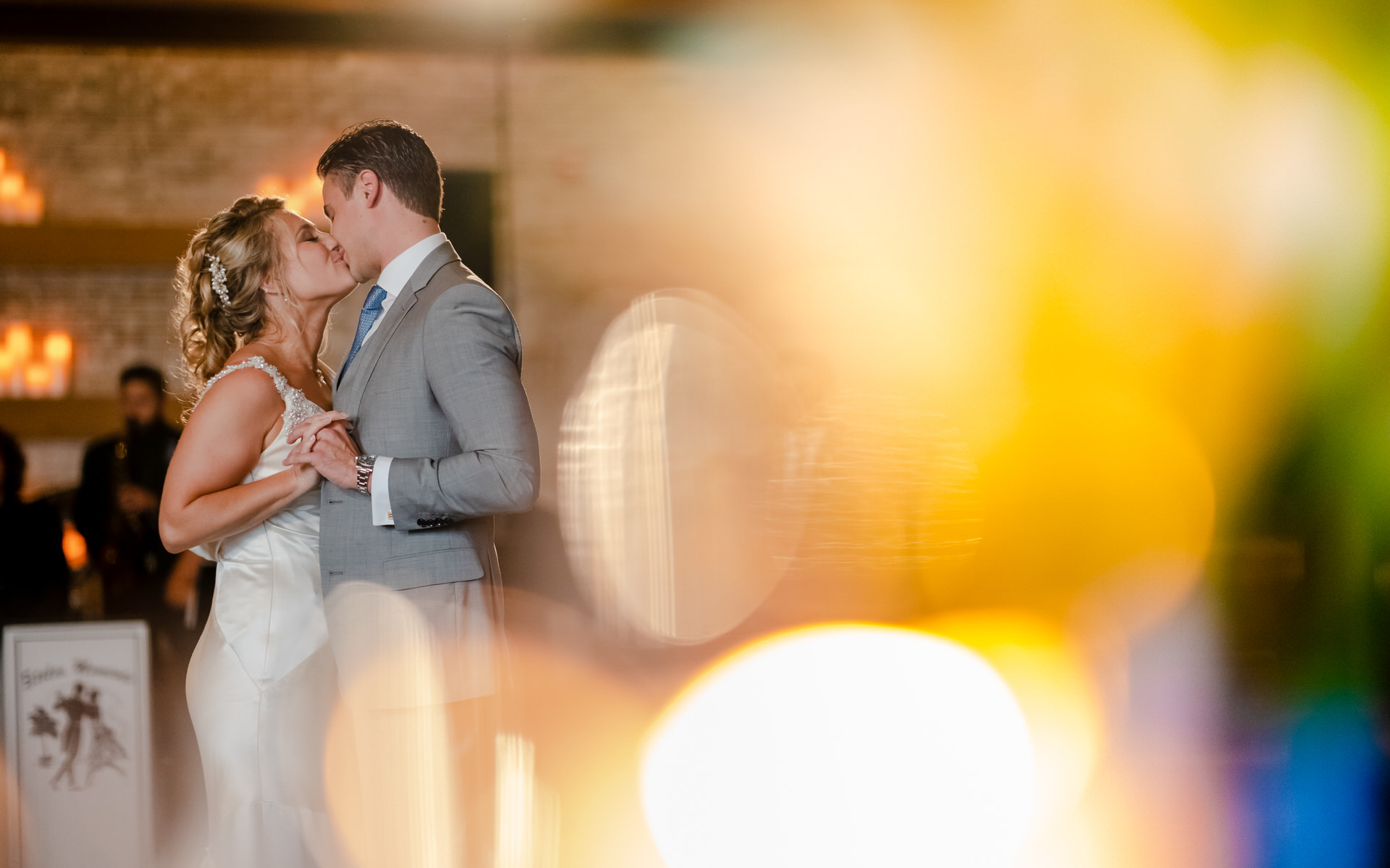
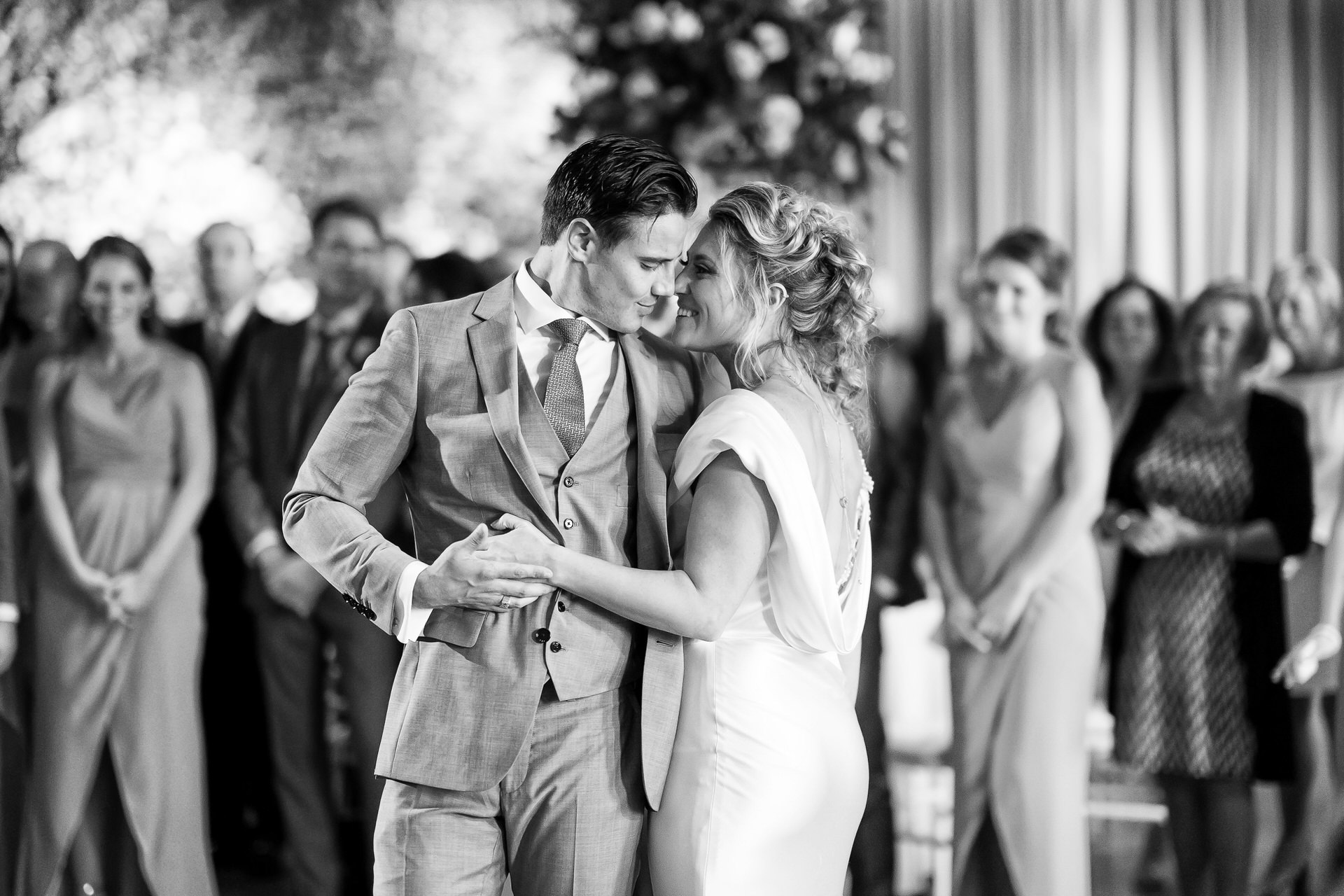
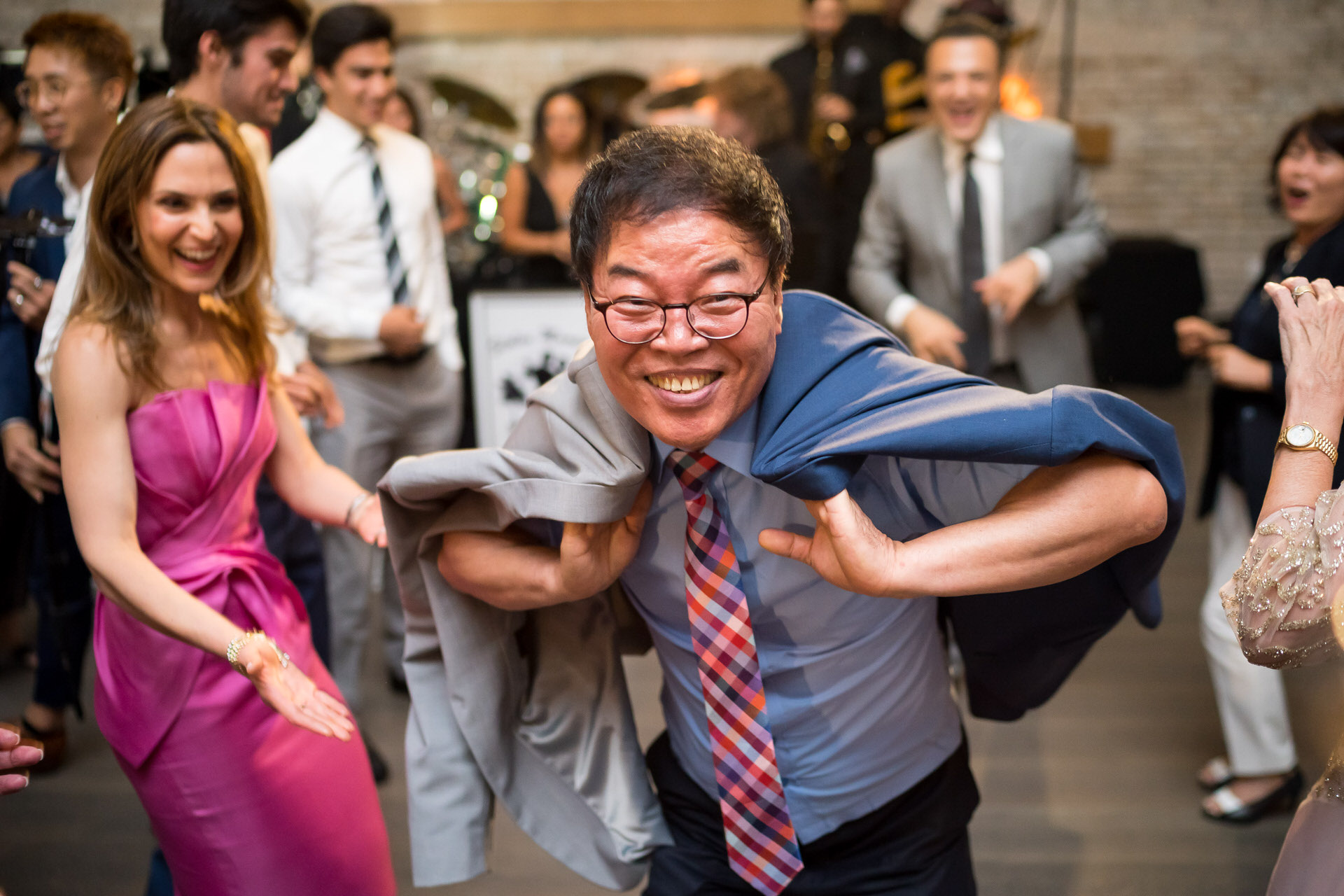
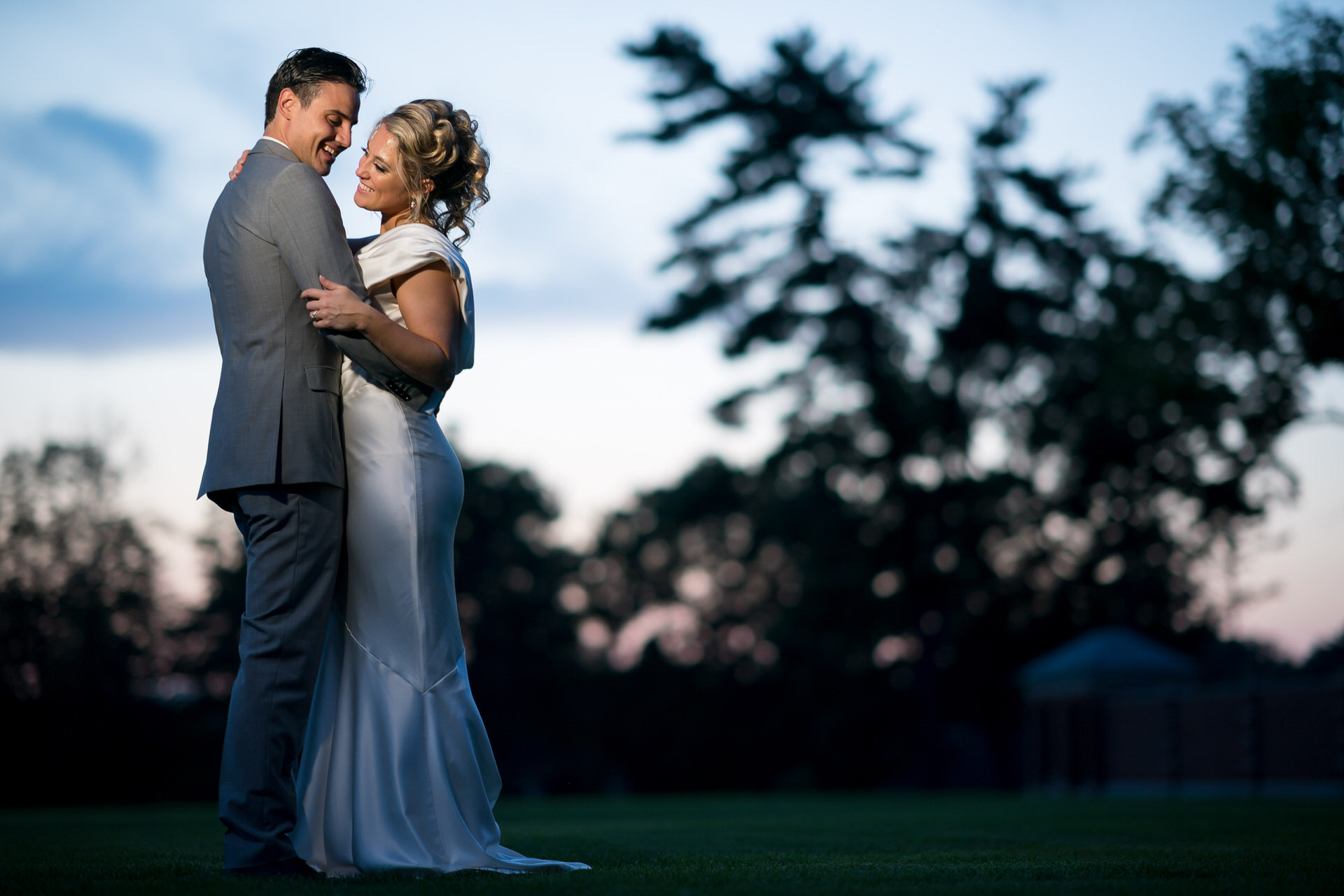
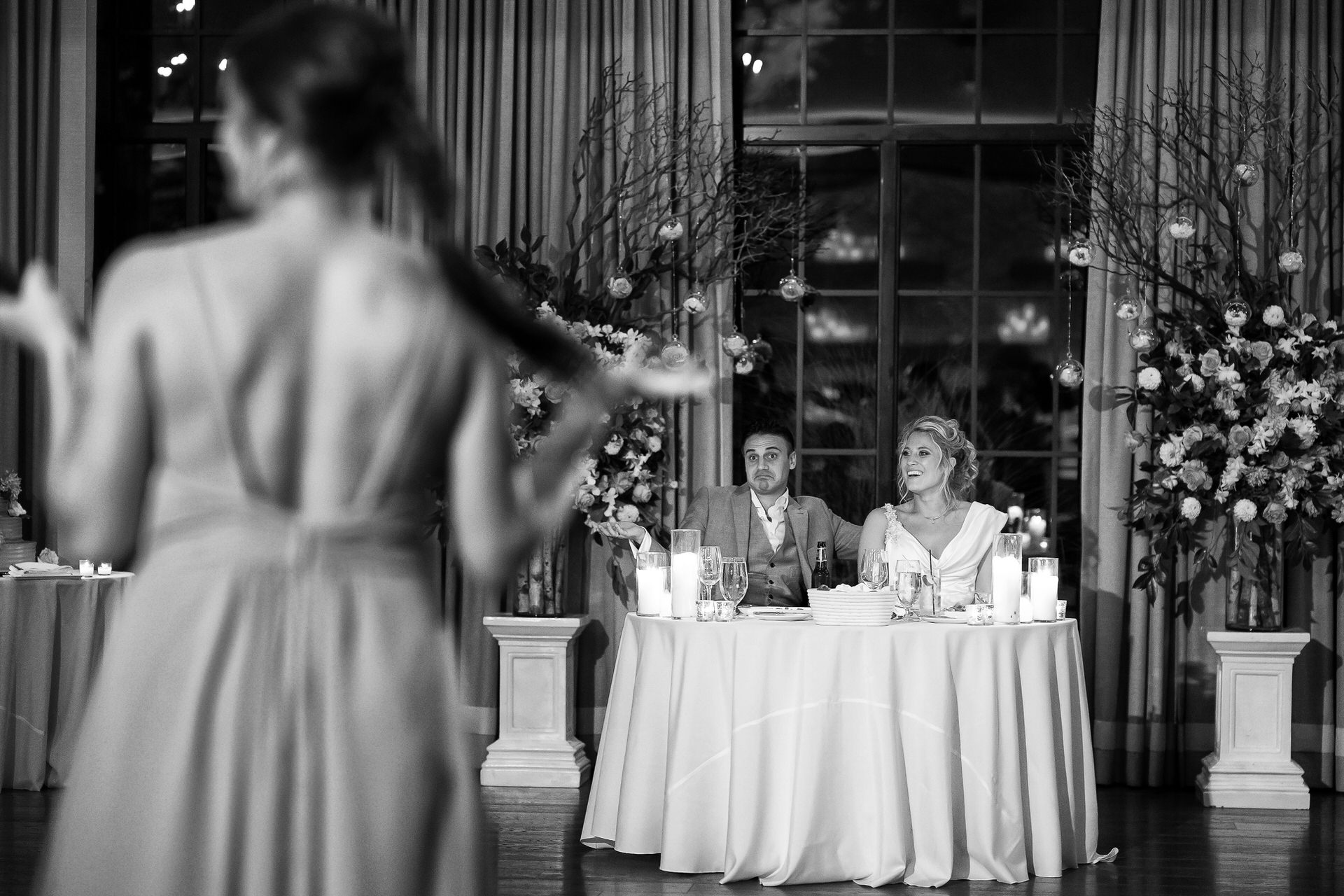
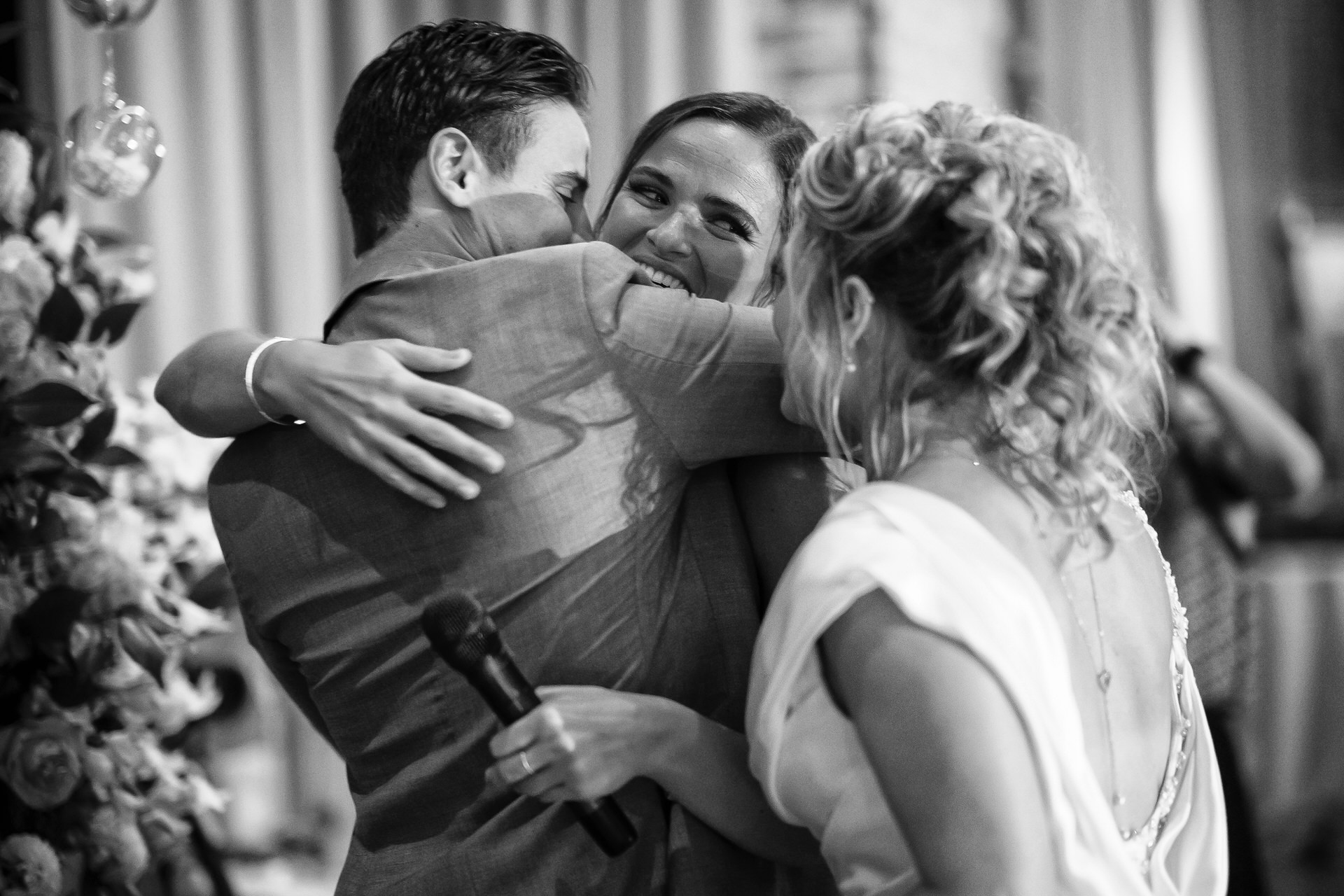
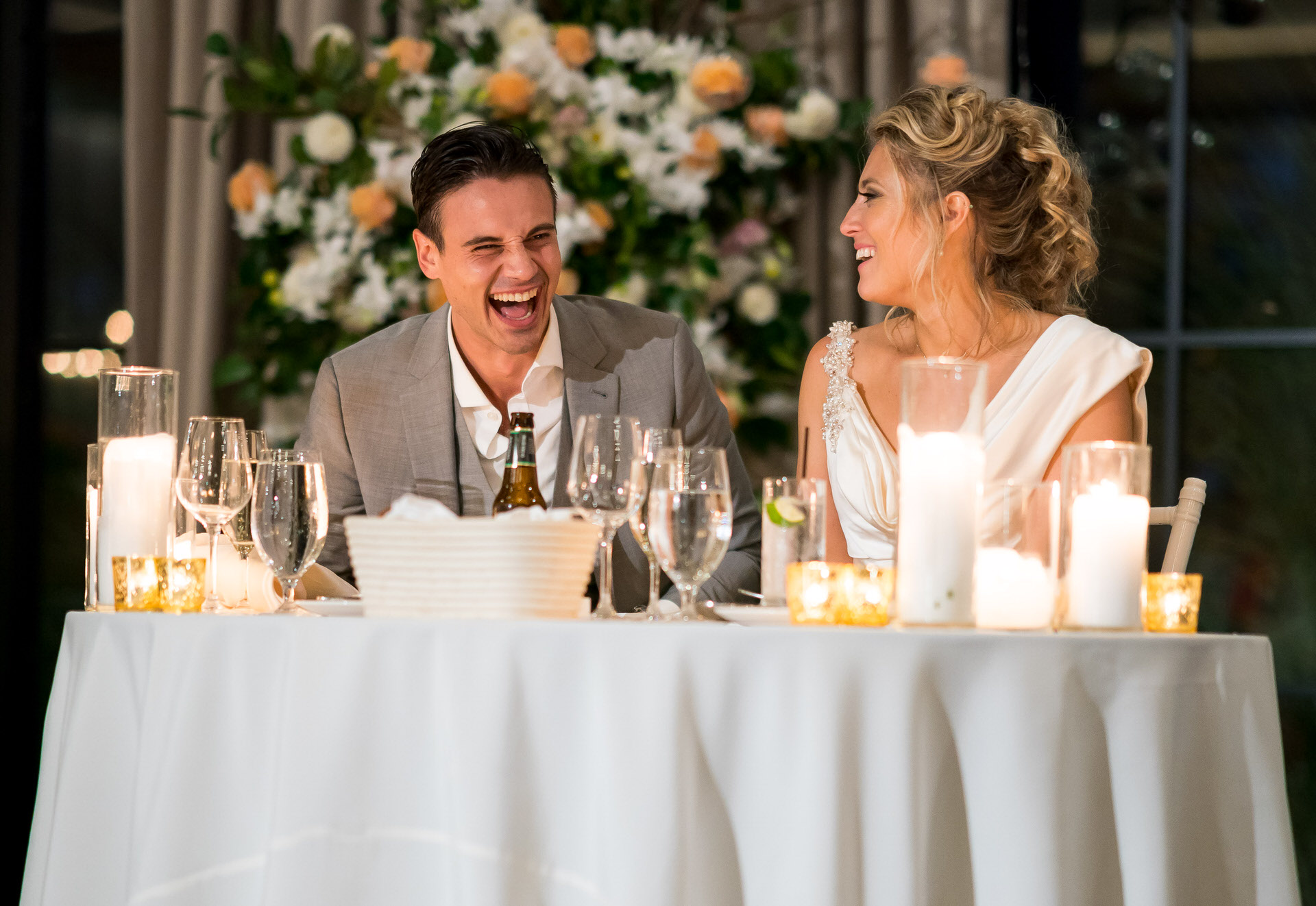
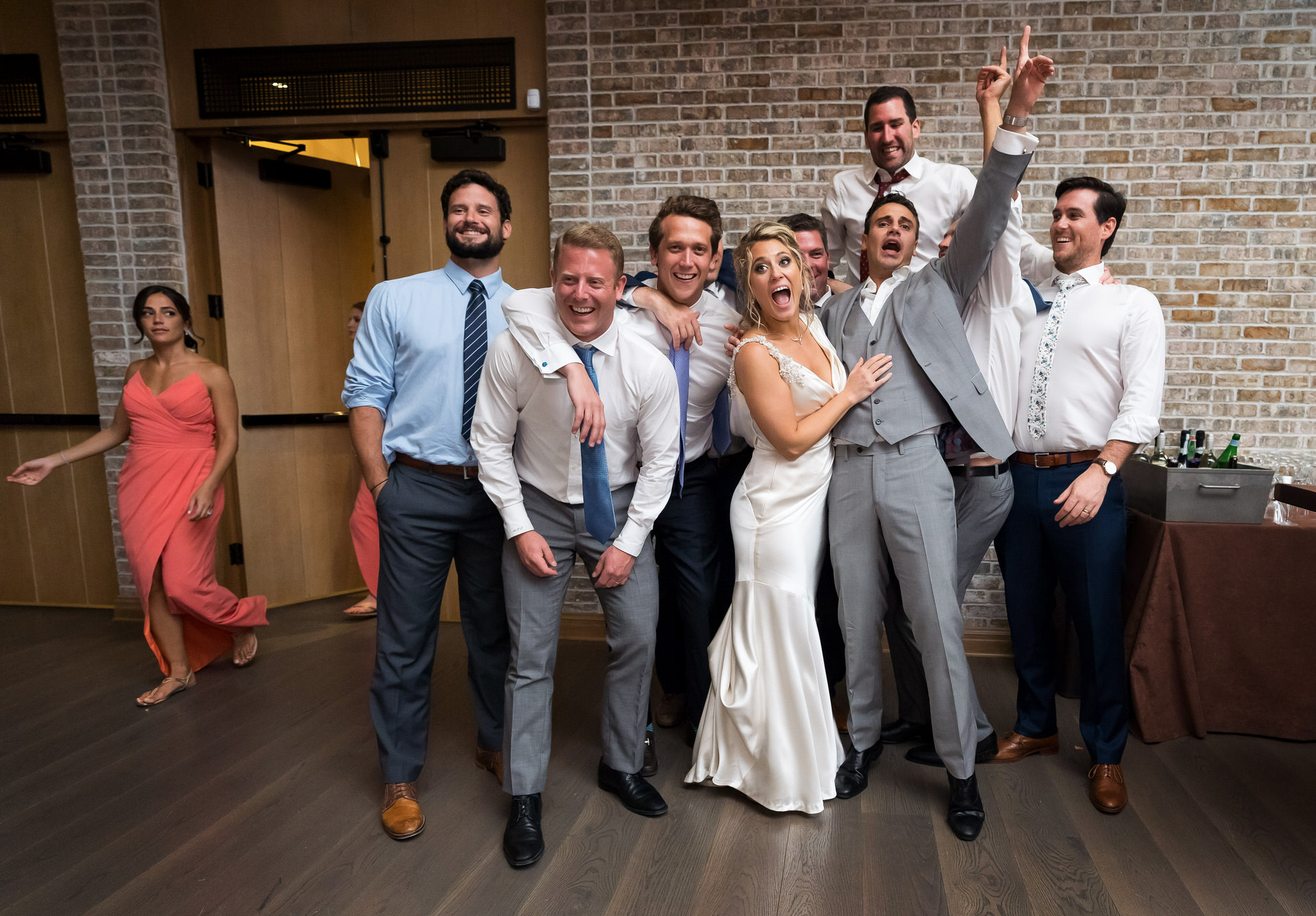
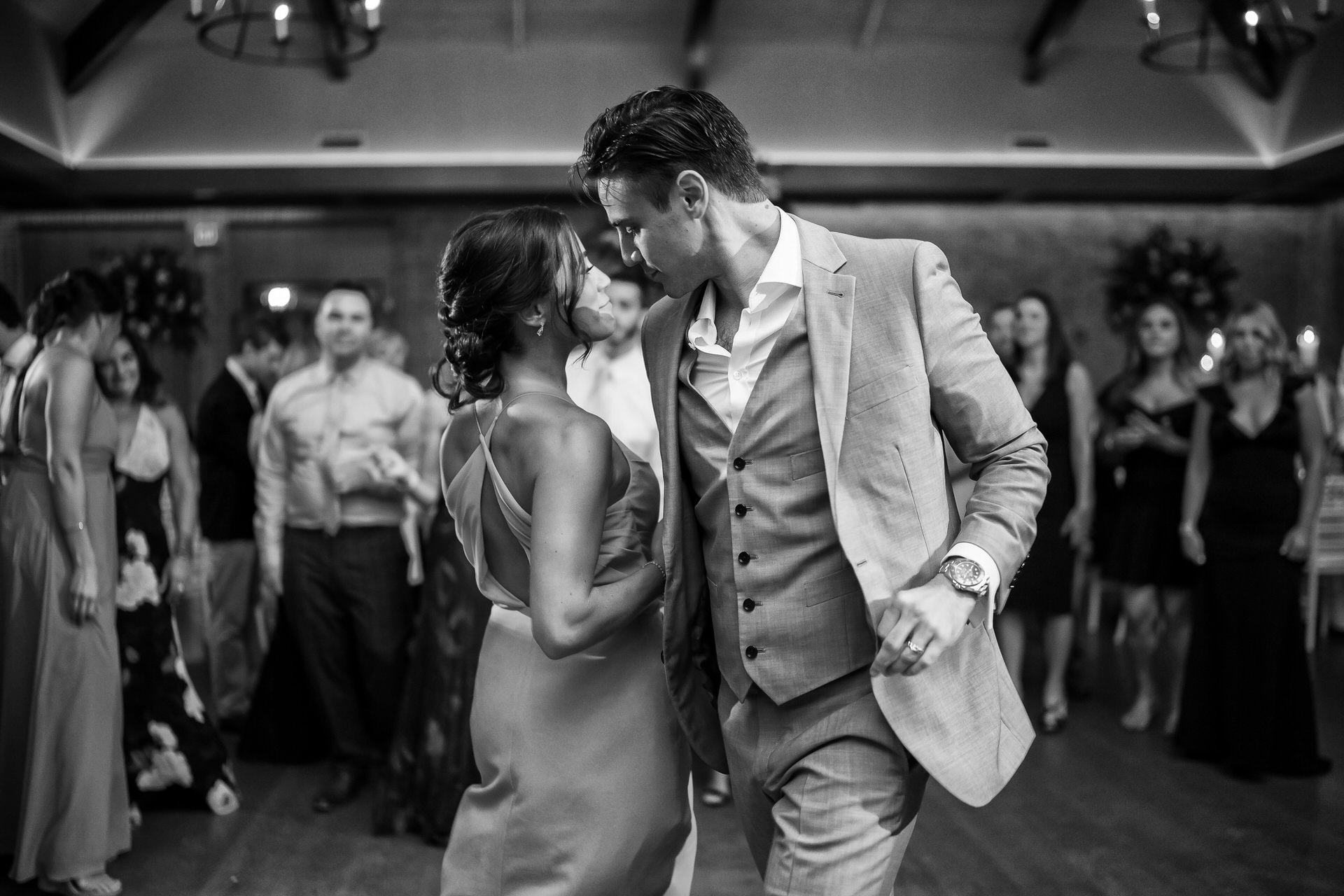
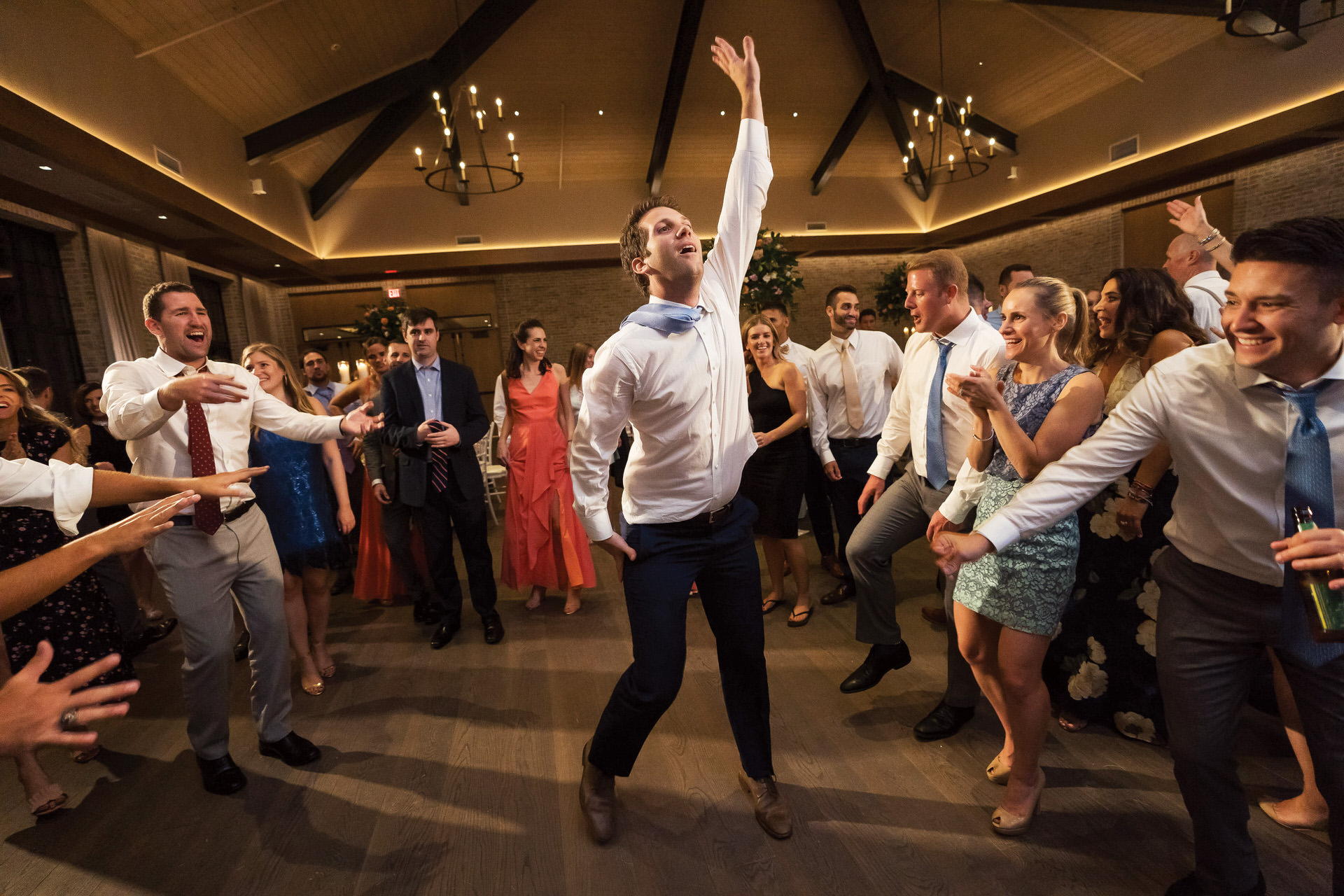
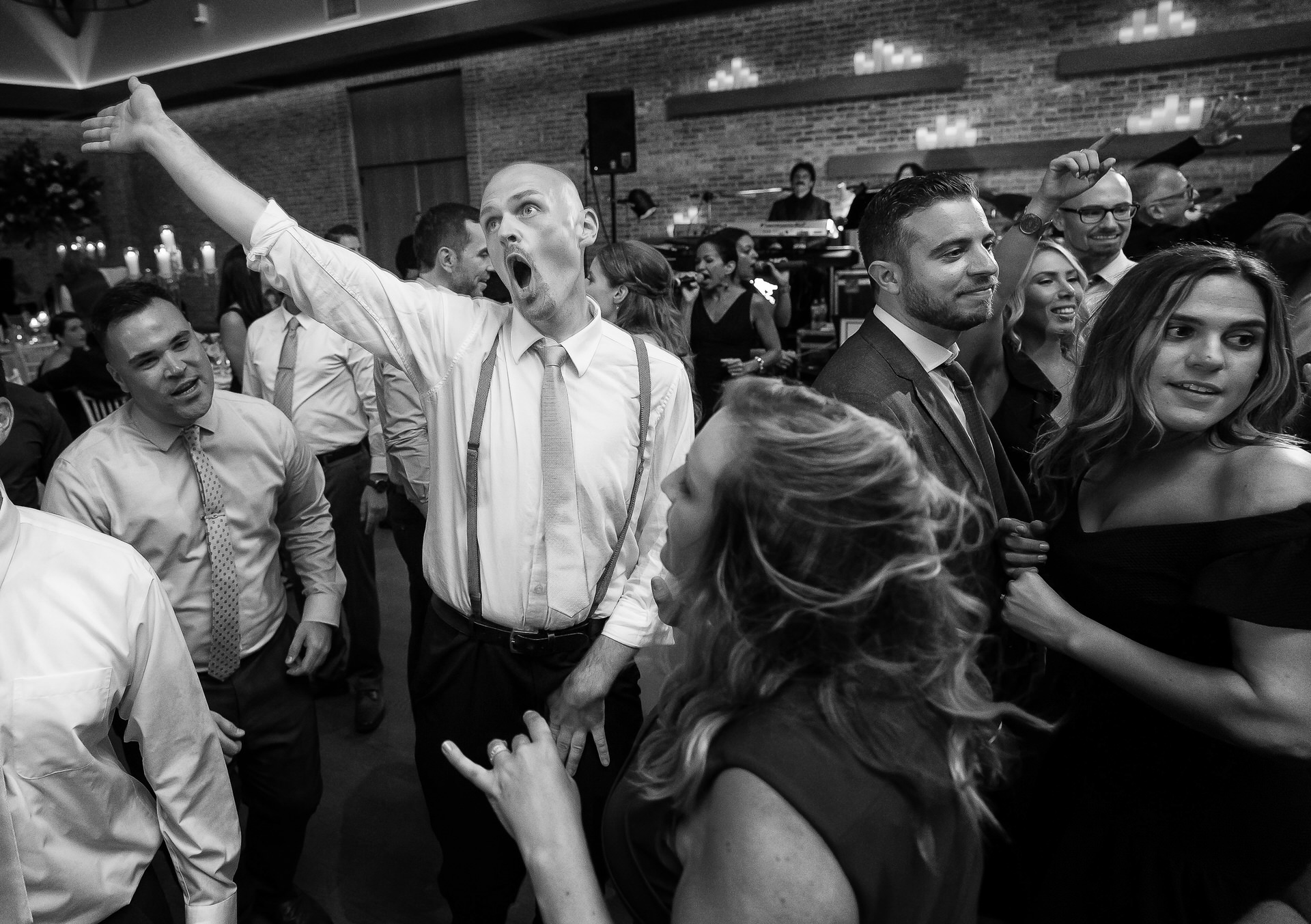
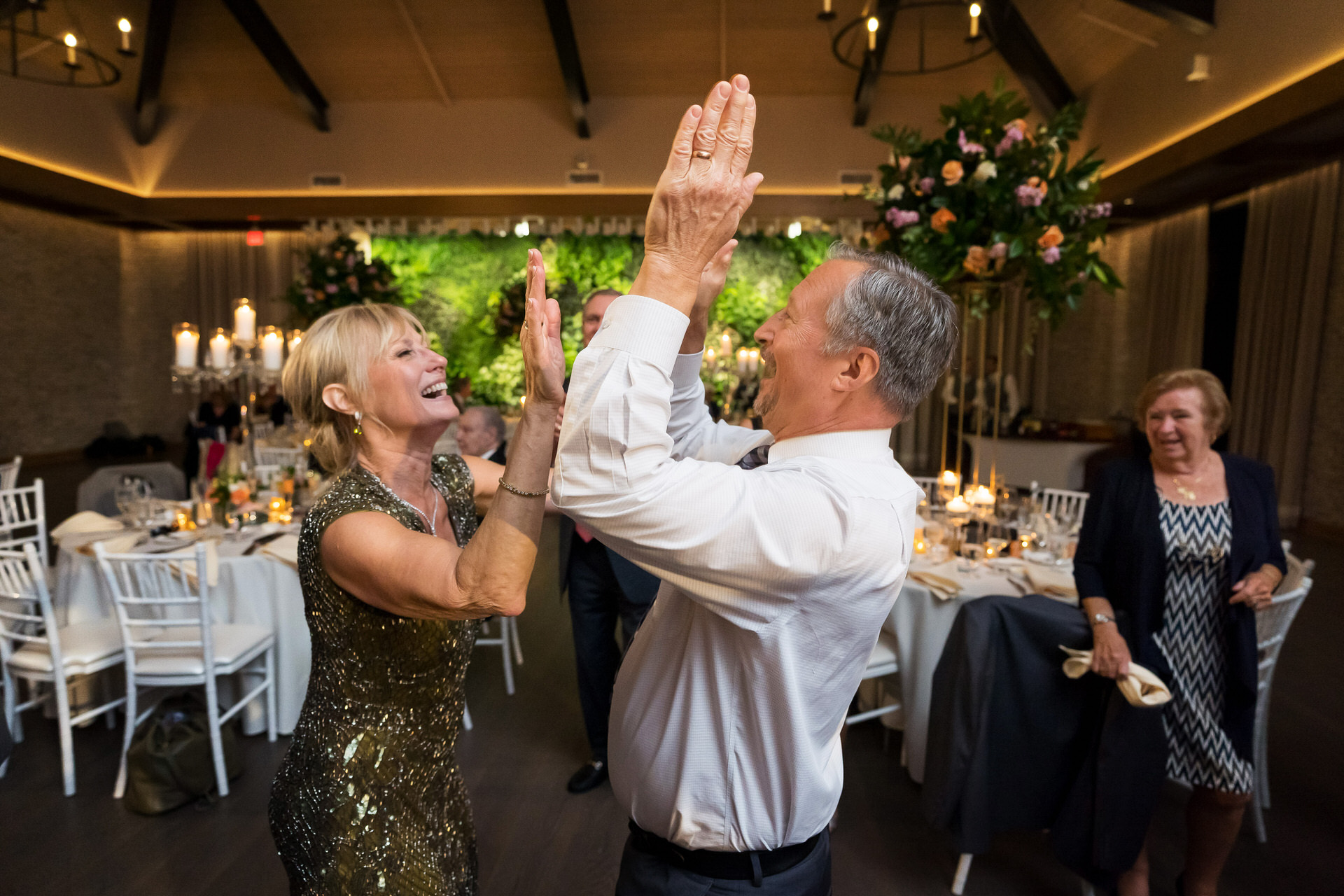
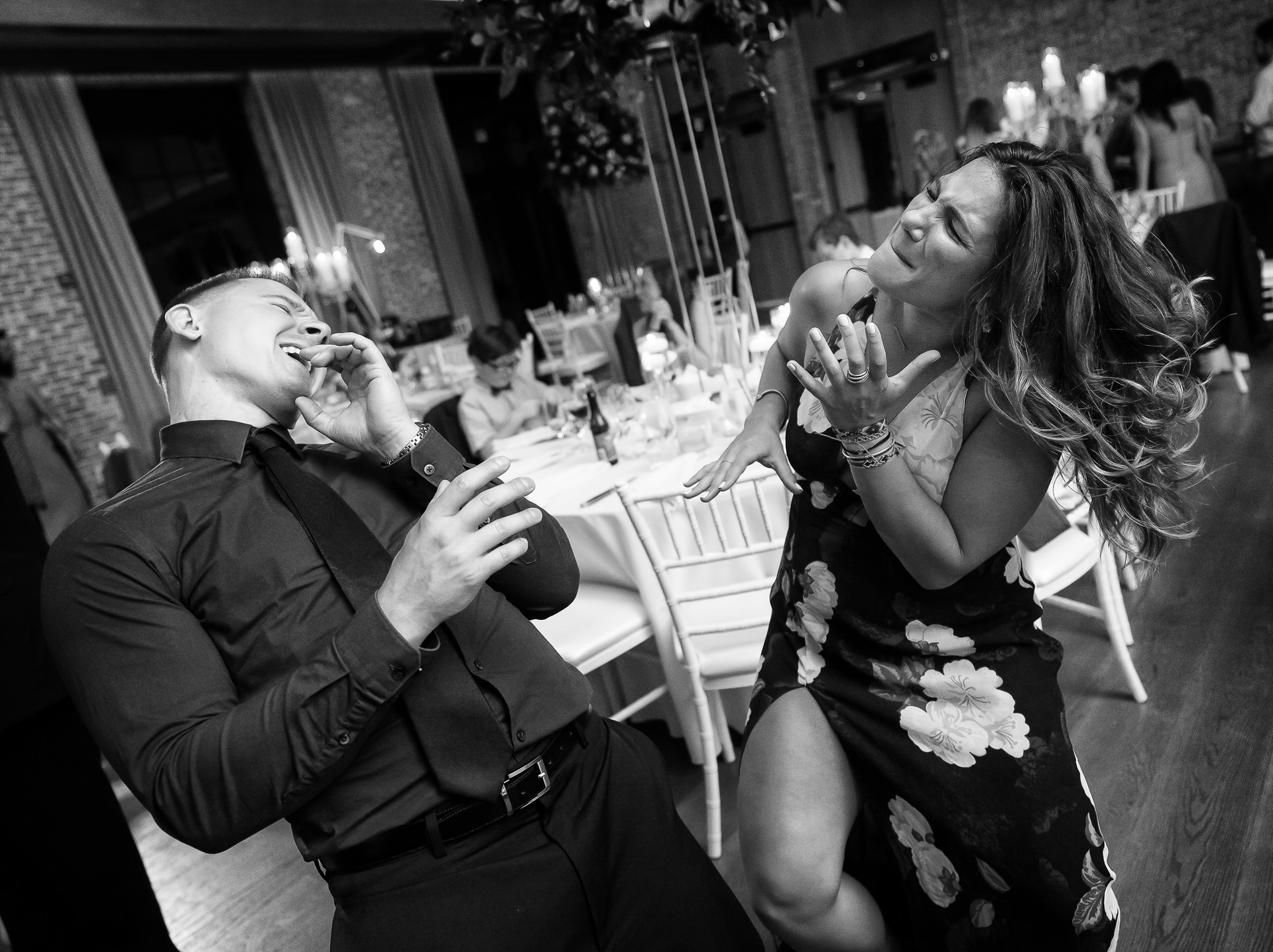
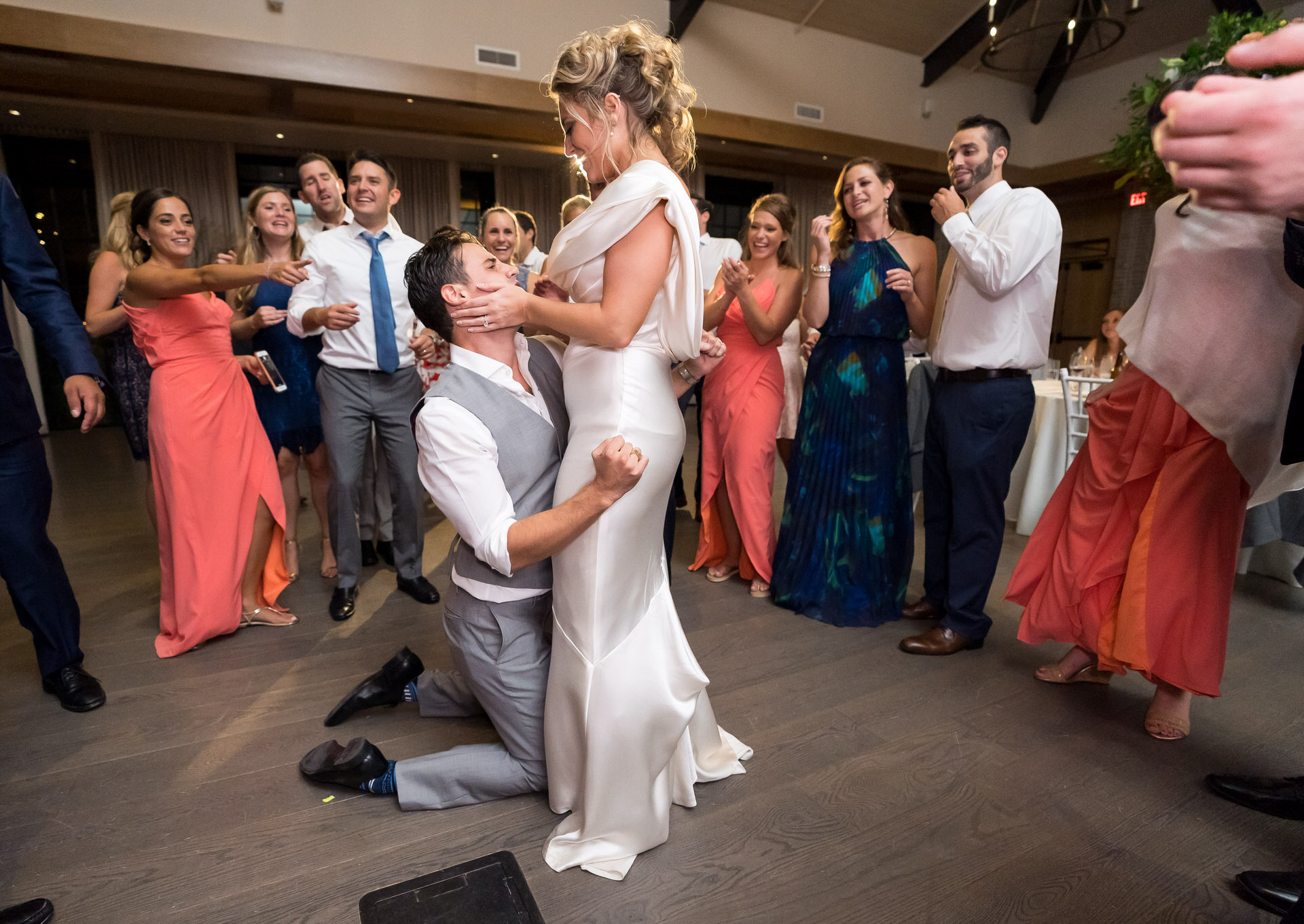
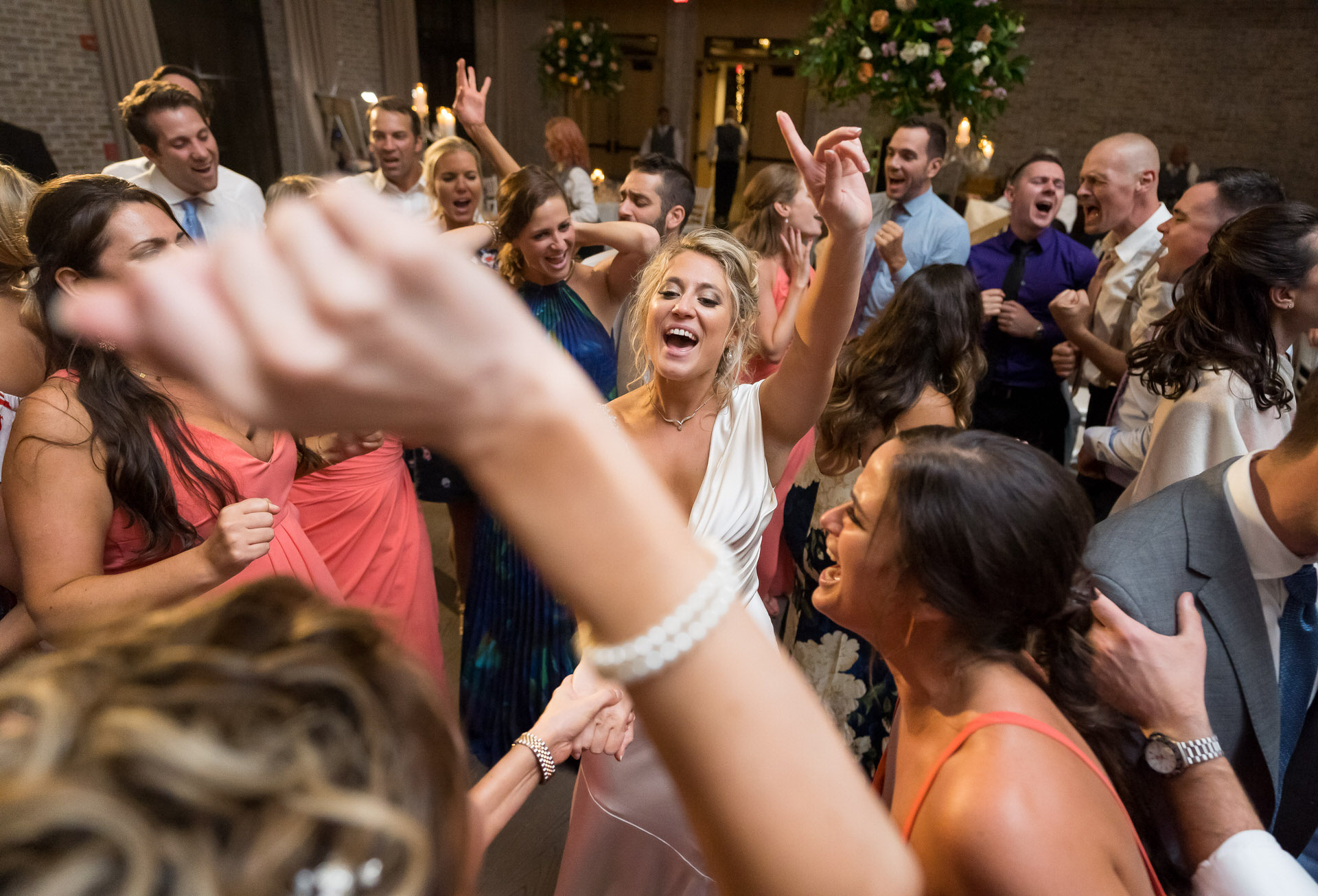
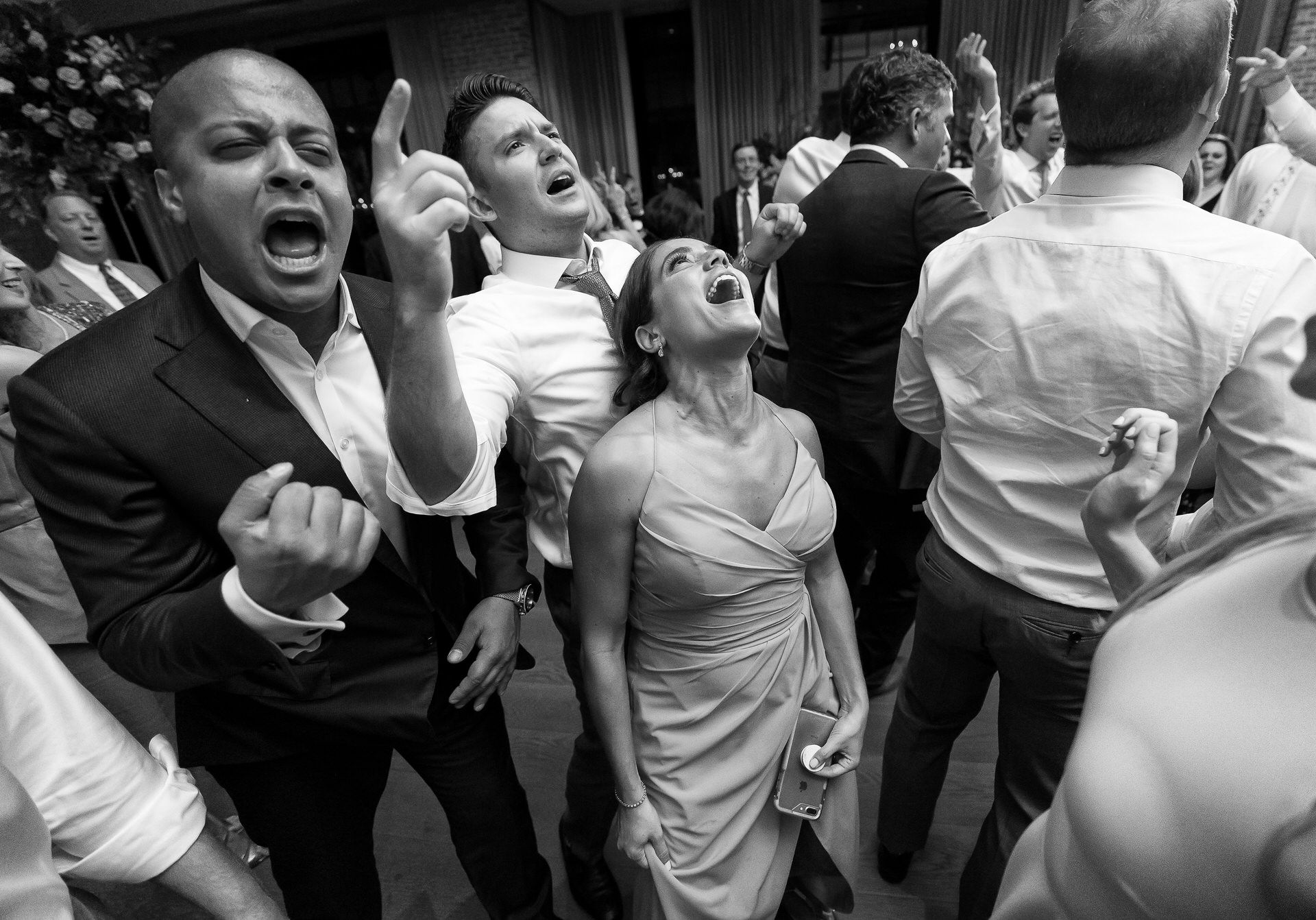
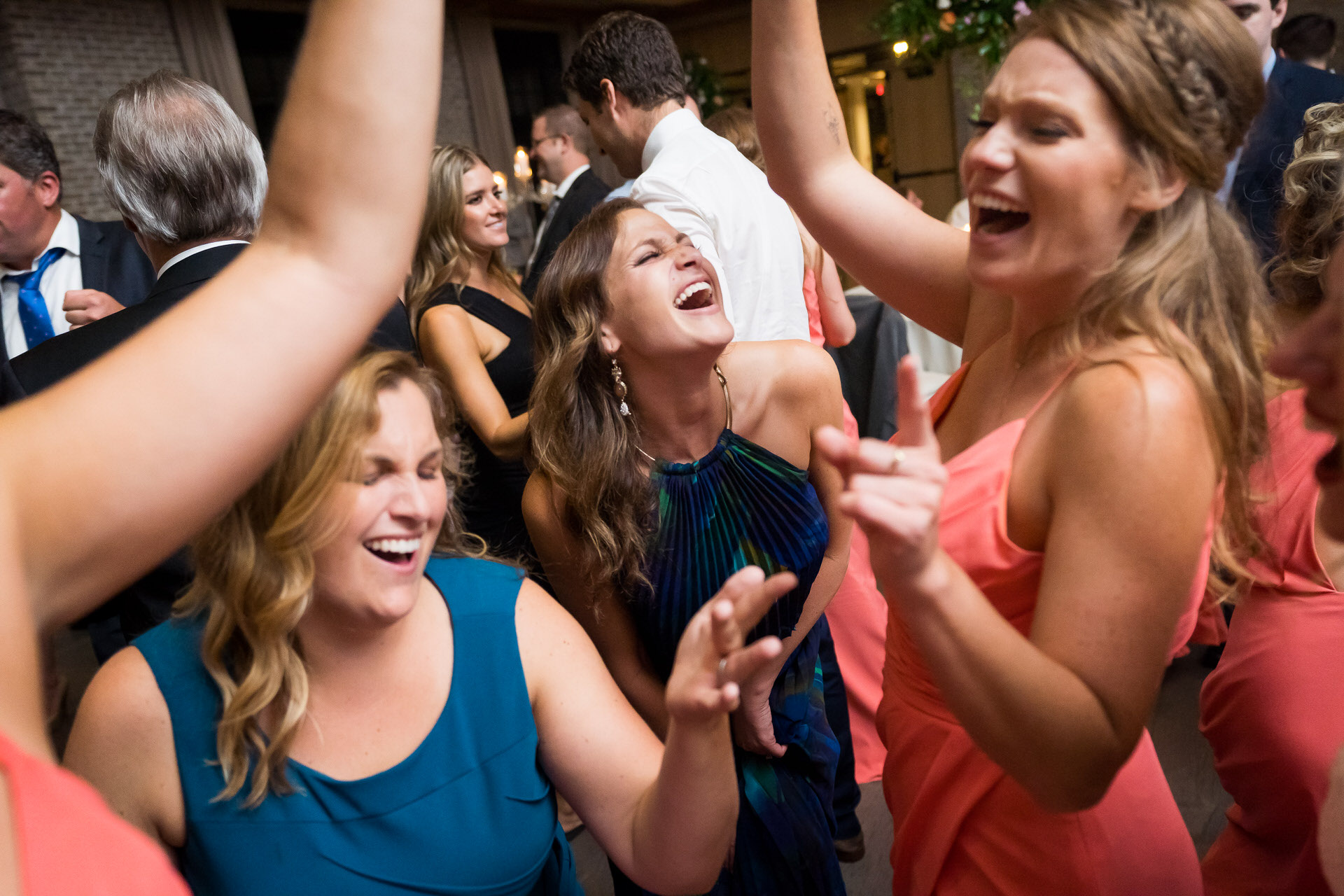
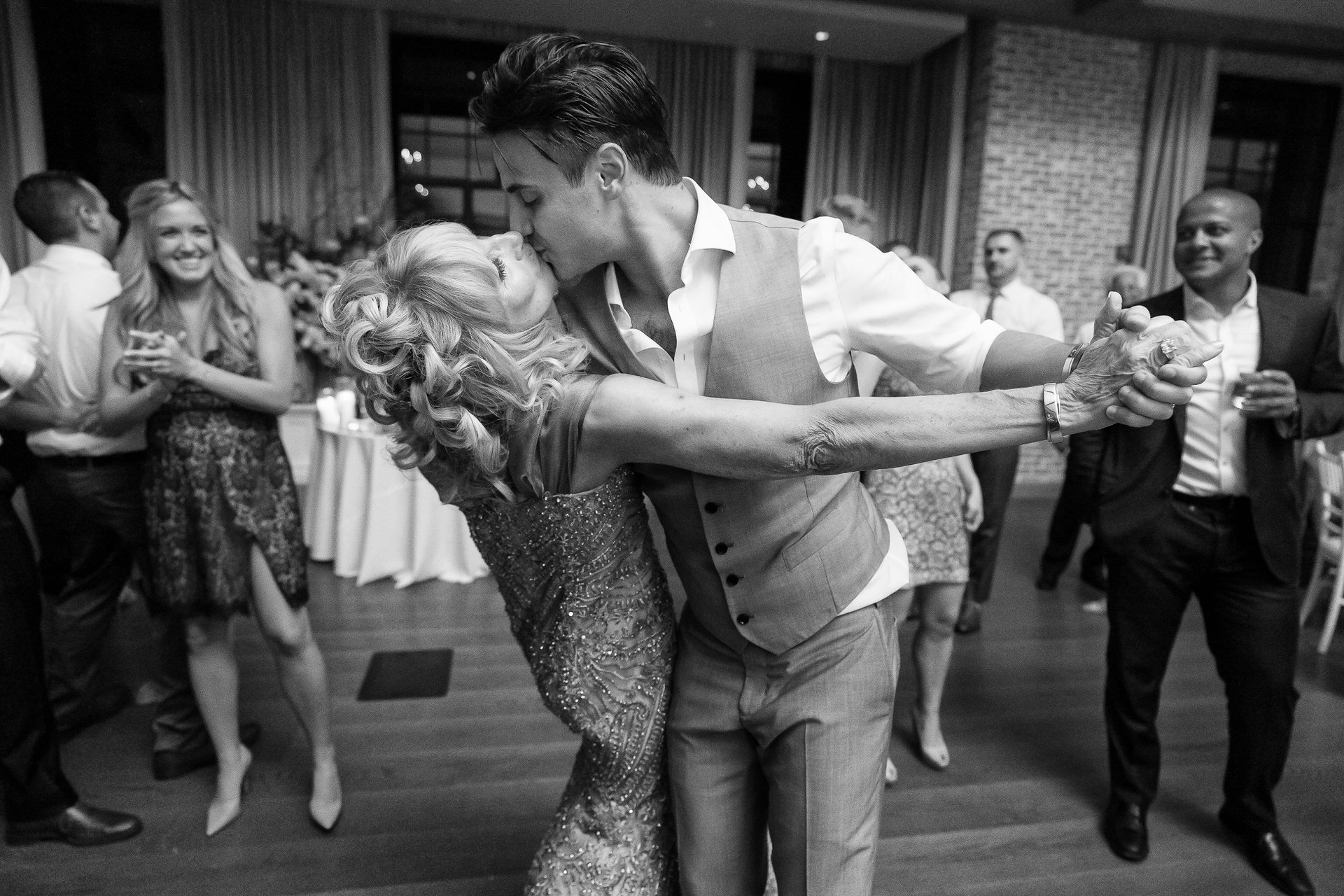
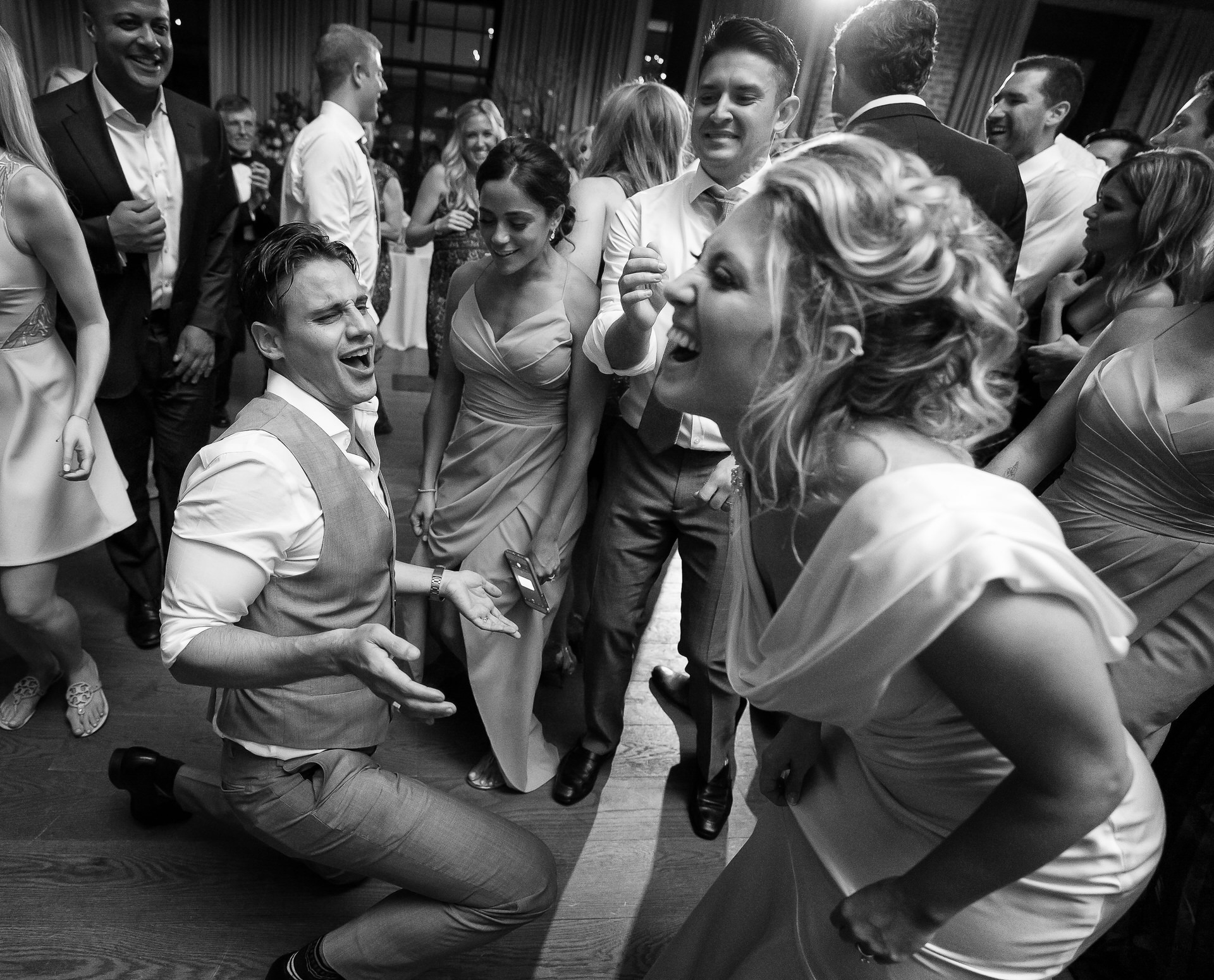

I love that all you need to know about Cecilia's grace as a trained dancer is to watch her do … anything.
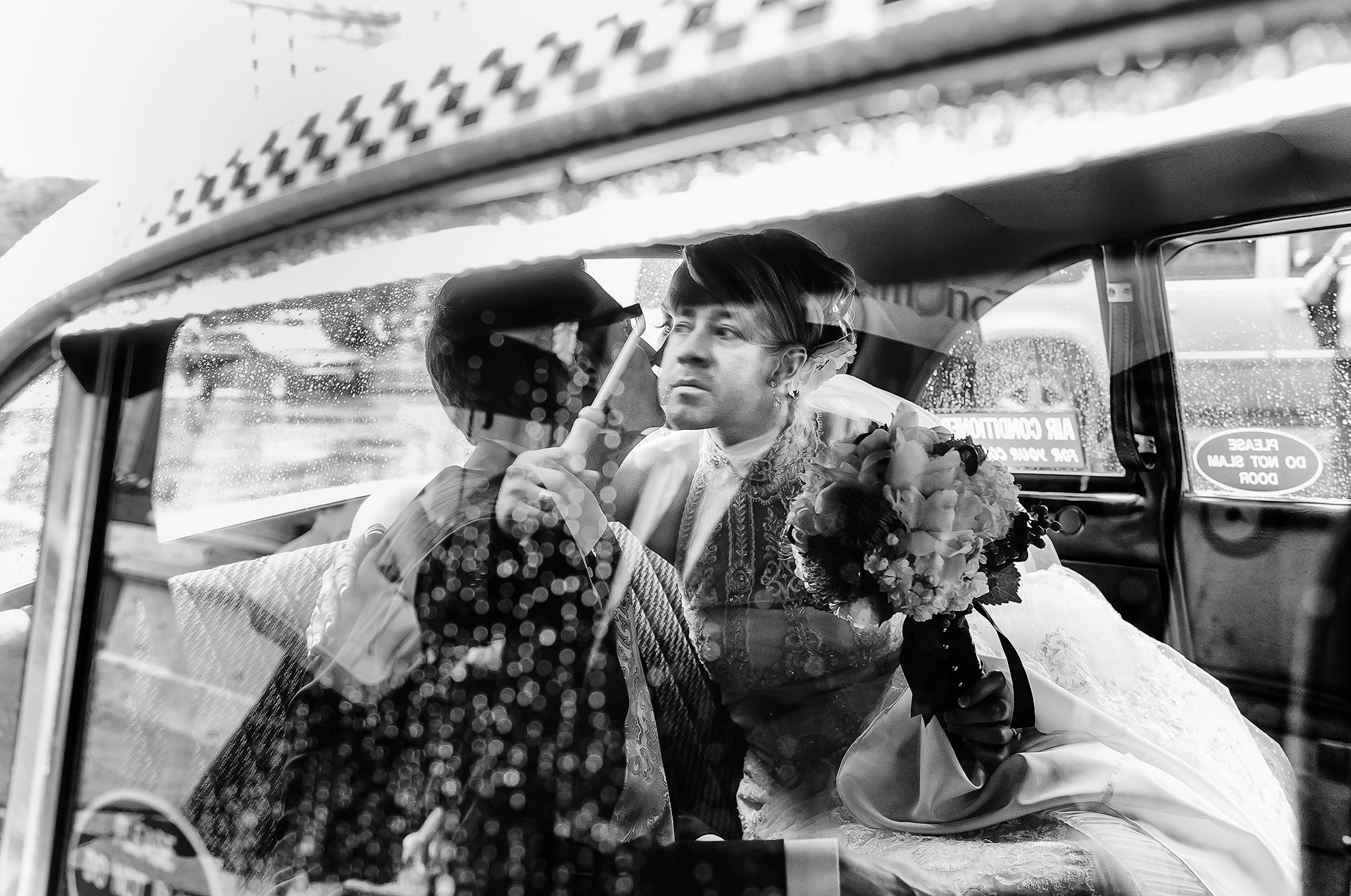
A fun moment of serendipity and #tbt (I never know what day it is in the off-season) to 9 years, 3 months, 6 days, 17 hours ago.
---
D3, 24-70 @ 32mm f/3.2, 1/80th, ISO 1250
Tricks are fun and bokeh beats clutter, but it’s the moment that makes it matter.


Now it's time for "As long a review of the Sony HVL-f45rm flash as a wedding photographer time for in October!"
Good: It's freaking magical -- why is it so tiny, so well-balanced with small Sony cameras, with such little meaningful power difference? If I'm rocking a reception with a big flash at 1/8th power, on the tiny 45rm I'm *maybe* at 1/8th + 1/3rd, a negligible difference. Here it's hitting ISO 100 f/11 at well under full power, balancing the bright sun outside and highlighting how bad-ass Denise is. And it's the best TTL I've ever used, so good that … I even use it occasionally.
The bad: Weirdly fragile, in my experience. We are fairly good to our gear these days, and out of the four Sony flashes we own, four have been to the repair shop for hot shoe issues. Now we pack it as gently as we would a newborn kitten.
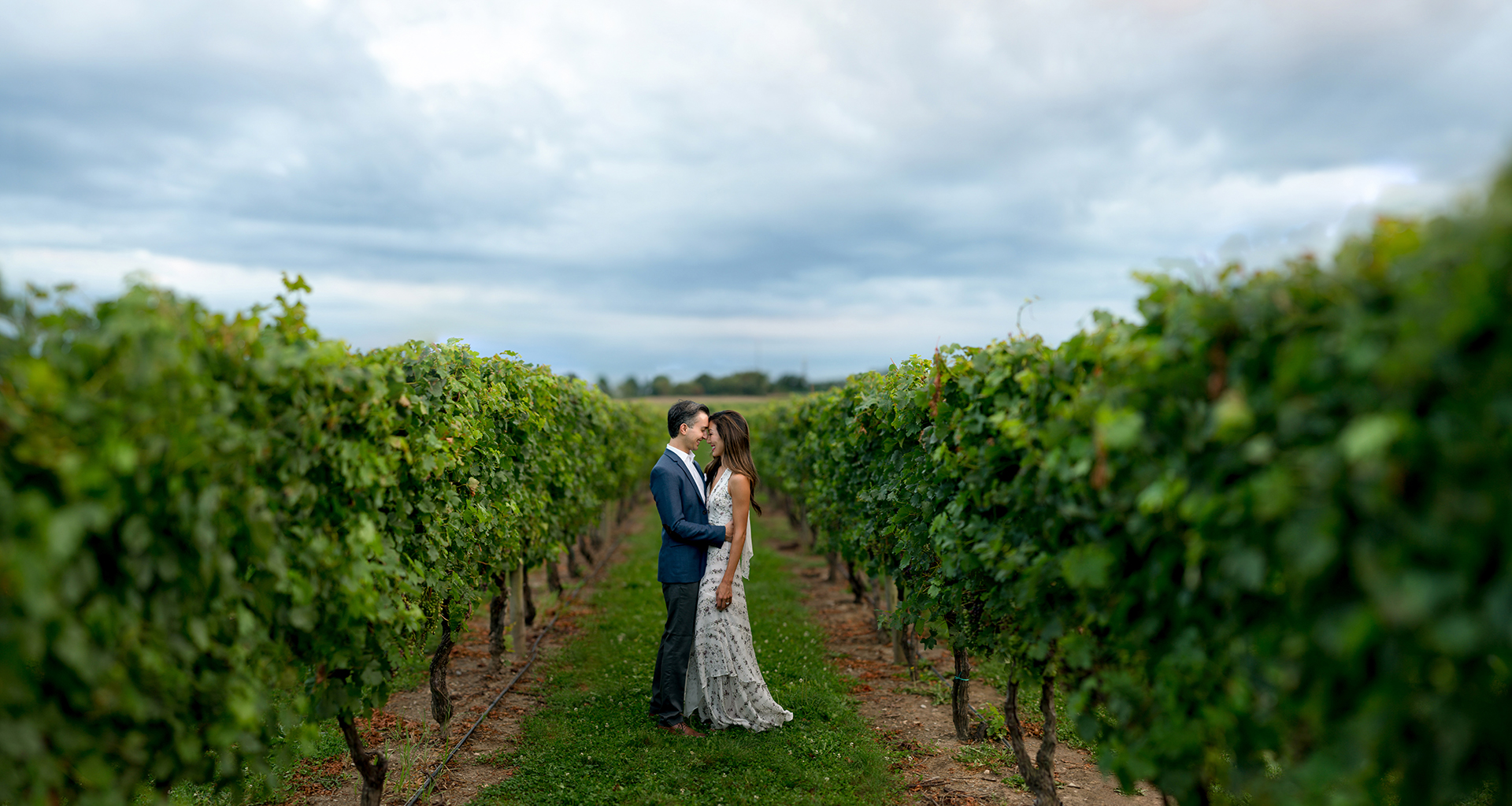
One awesome couple, one amazing vineyard after the rain, and a whole lotta frames with an 85mm f/1.4.
I've been playing around with some of the new smartphone tech because I'm still just a photo nerd at heart, and I admit that as artificial depth of field gets better and better through computational photography, I stopped and said "Hm, moving this slider is a lot easier than taking a hundred images and feeding them through a computer." But of course, that's only because of an upshot of the less talked-about side of the smartphone photography revolution: not that most photos are taken on phones, but also that most are viewed on them as well.
I've never truly seen most of the Brenizer Method photos I've delivered. This photo could be printed at 300 dpi at five feet across. I've made those prints and each time I've been surprised: "Oh, *that's* what this photo really looks like!" It's part of the point of also taking the long way around and making things specifically so that they last and go a step beyond what is easy. (Even though I still often use DoF-faking apps for fun and personal creativity. I'd rather play on the lawn than tell the kids to get off it.)

If I had any tips to achieve long-term success and happiness as a wedding photographer, it's to learn to appreciate as many of the tasks and skills required as possible. In the end, this job consists of making thousands of choices and solving innumerable problems each wedding day, and there is a joy to be found in simply doing well, whatever the task. We both entered into wedding photography with a joy and expertise in storytelling and using light and lenses in interesting ways, but now we also find joy not just in things like organizing large bridal parties in flattering ways but also things that are entirely structural and non-creative.
I look back with pride on weddings where we entered into family photos 90 minutes behind schedule and finished on schedule, or when we had 25 table shots to do in 30 minutes and somehow pulled it off without making people feel rushed or harried.
Some of these things may not be the stuff of Pulitzers, but it is all part of the job, and learning to find joy in each part not only helps you as a photographer and avoids burn-out, but you'll inevitably do all of these things better.
(Especially since one of the best hints for any group photo is to be wearing a genuine smile).
October 26:
I have not seen or touched this lens yet, so this is in no way a review, but I've already placed my own order…

What’s the point, given that I have no more direct experience so far than you do? Well, just kicking this off, this shows a few important things:
1) This shows how important I consider this lens if it lives up to its potential — I could have probably finagled a small discount, and definitely didn’t have to pay sales tax if I took the time to fill out the paperwork, but it was more important to me to be able to place my order at 10:01 a.m. Because if waiting for all that paperwork meant the difference between having this lens at a wedding or two or not … and those weddings are such where it would make a real difference in the coverage (hello, pitch-black NYC dance floors!) then the extra cost is worth it.
(Of course, the lens is at least $800 less expensive than I thought it would be, so that helps, too.)
2) This should forever be inoculation against the idea that I am shilling for Sony, or anyone. Full cost, sales tax and all. No one’s even given me a single cocktail shrimp to affect my opinion of this item. All I am doing with my B&H contacts is basically telling them to get one in my hands as soon as possible, but no promises there, either. As always we come from a place of honesty and openness, because why not?
Lastly we’re doing some site re-organization so that all content will appear here on the “/blog” page including rolling reviews, with separate pages highlighting the different types of posts.
The reason that we are still passionate about weddings more than 1,000 of them later is we love *celebrating* the shared promise of love between two people. There is an amazing story to tell of the meaningful bonds on display on a wedding day and we hope to continue to tell these stories for decades to come.
We’ve always been interested in how these stories play out - in the full story of the family. We listen closely whenever any long-married couple gives advice, no matter how many times we’ve heard similar bits of wisdom before. We love seeing our couples and the families they make. Even algorithms show us that 90 percent of the Instagram photos we personally pay attention to are photos of our friends, family and our clients with their children and pets celebrating life day-by-day in joyfully mundane ways.
And this is a story we want to tell as well. It’s not a brand, or a business, or an identity, or any SEO buzzword. It’s just a part of us, something we live ourselves each day, especially now that we have our own child.
We want to tell the real stuff of family. Those moments characteristic of the people and time, which can slip from your memory in a changing and too-busy life. What was it like when you lived in that old neighborhood? What was it like to be a new parent? How did it feel?
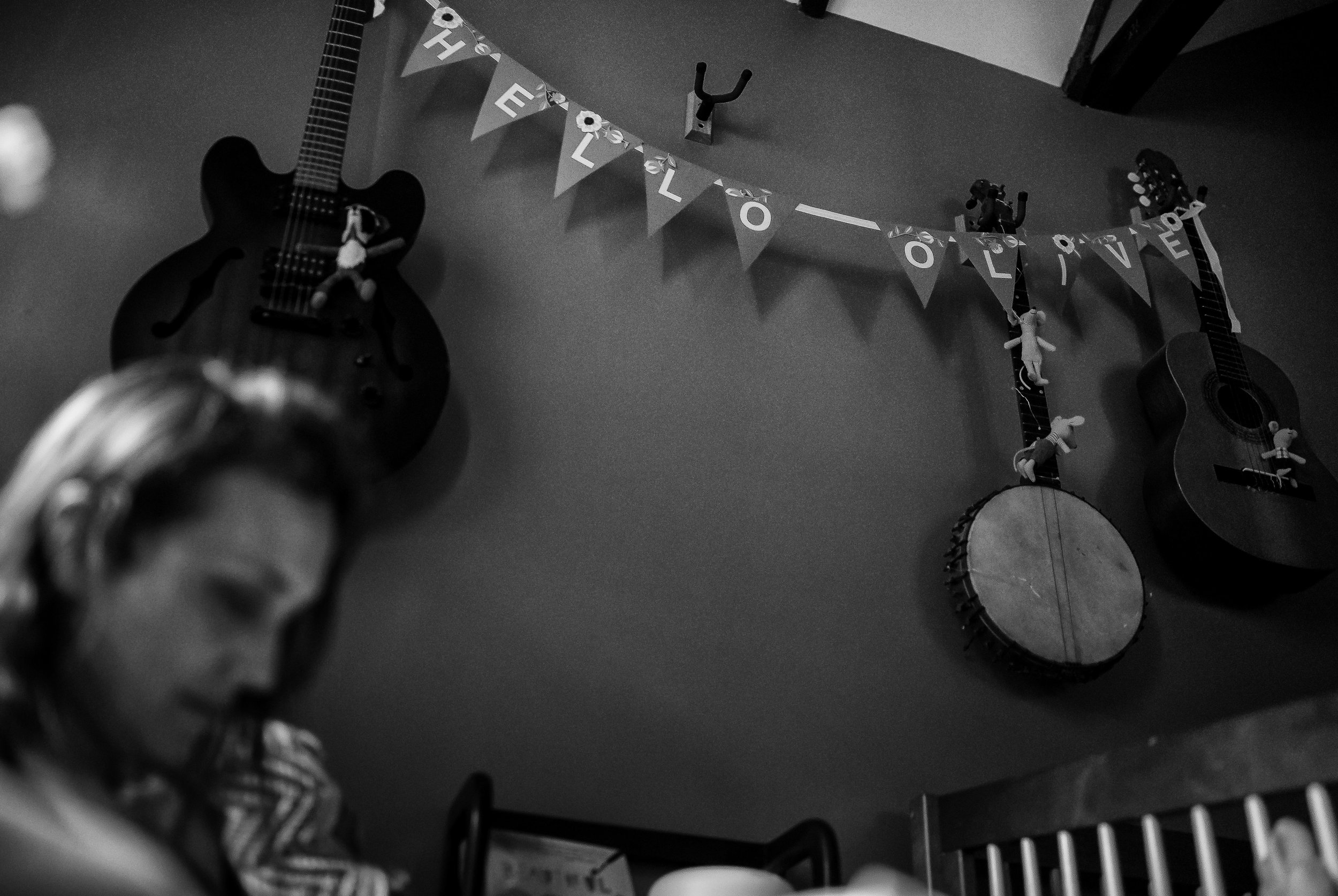
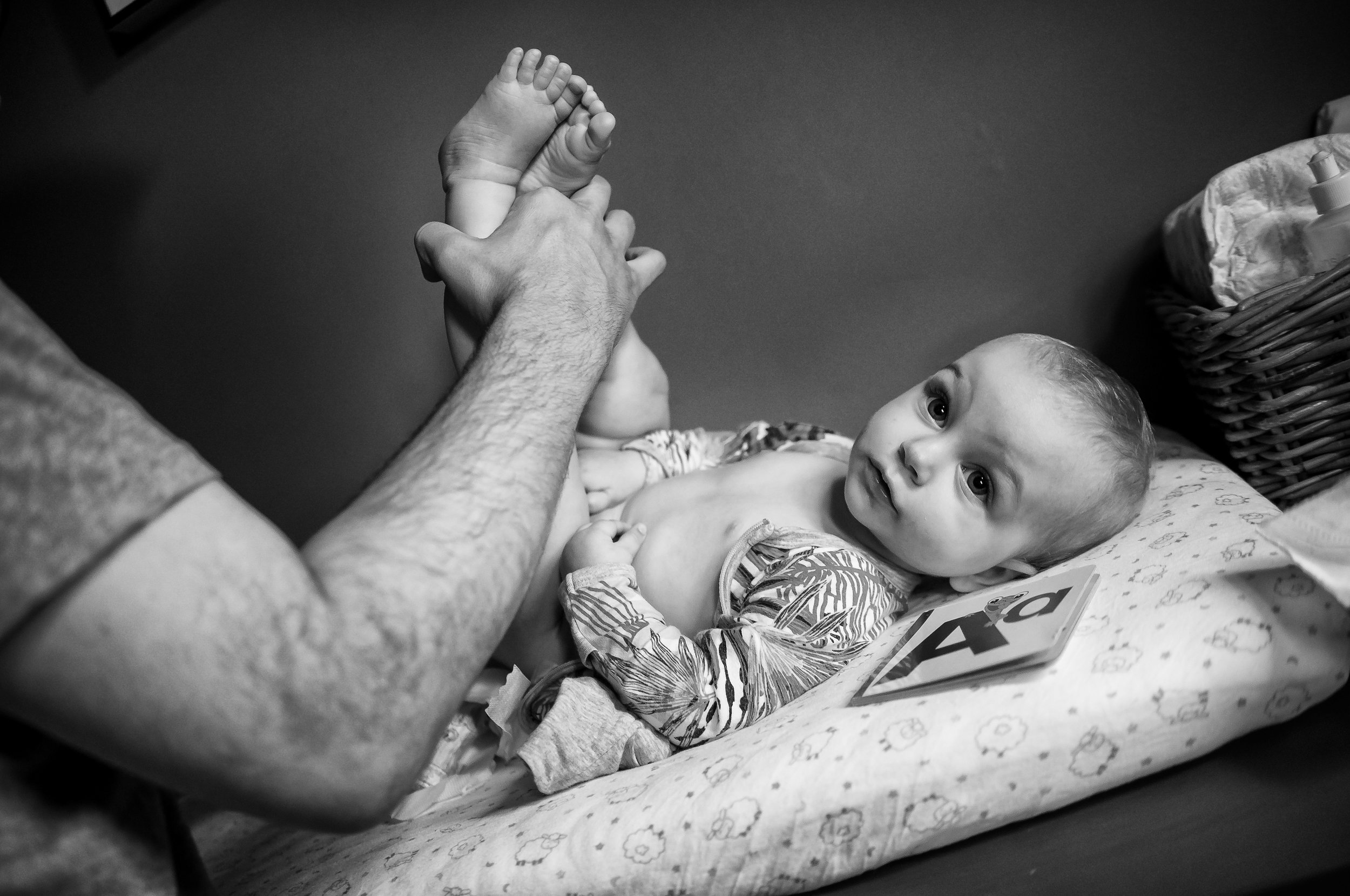
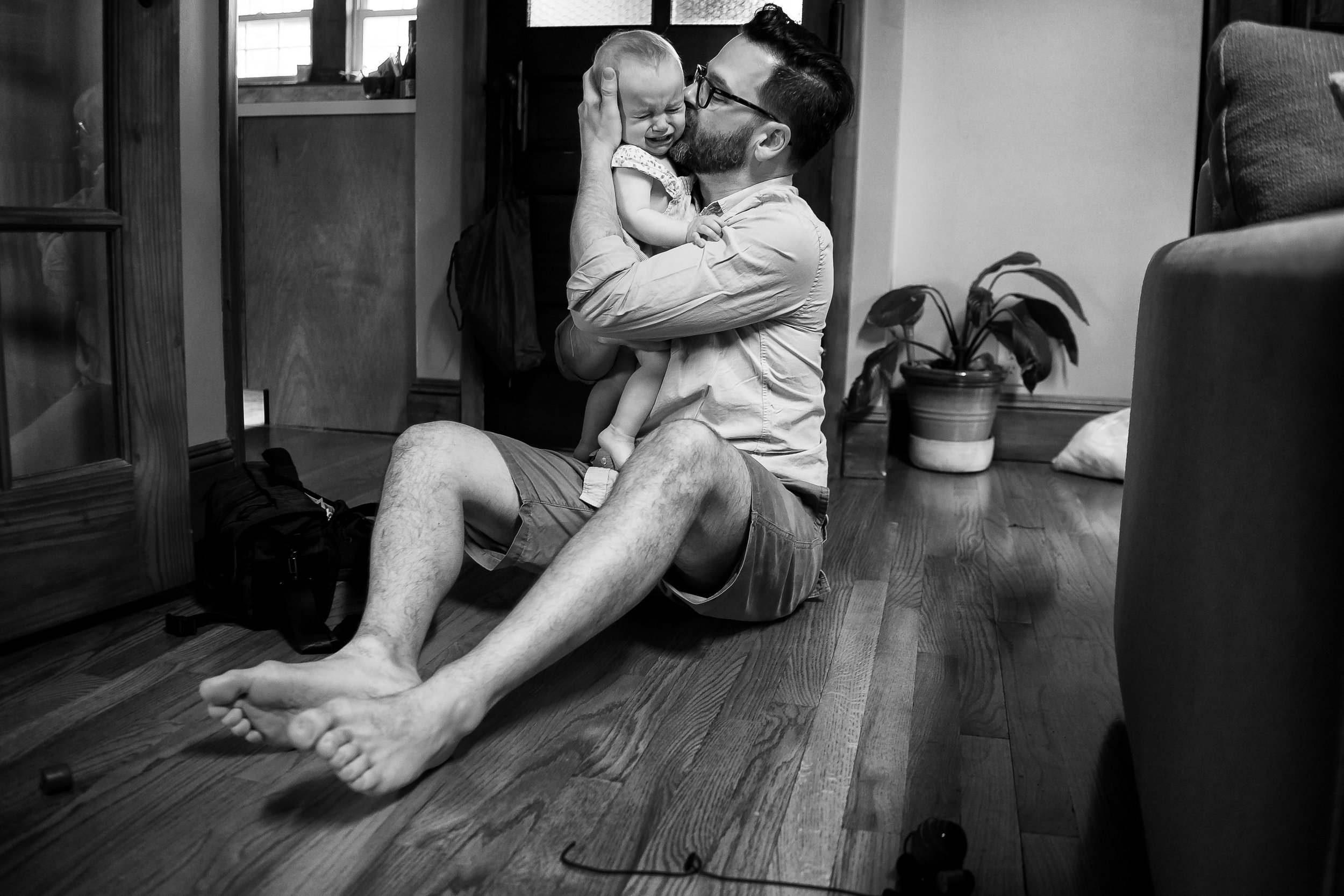
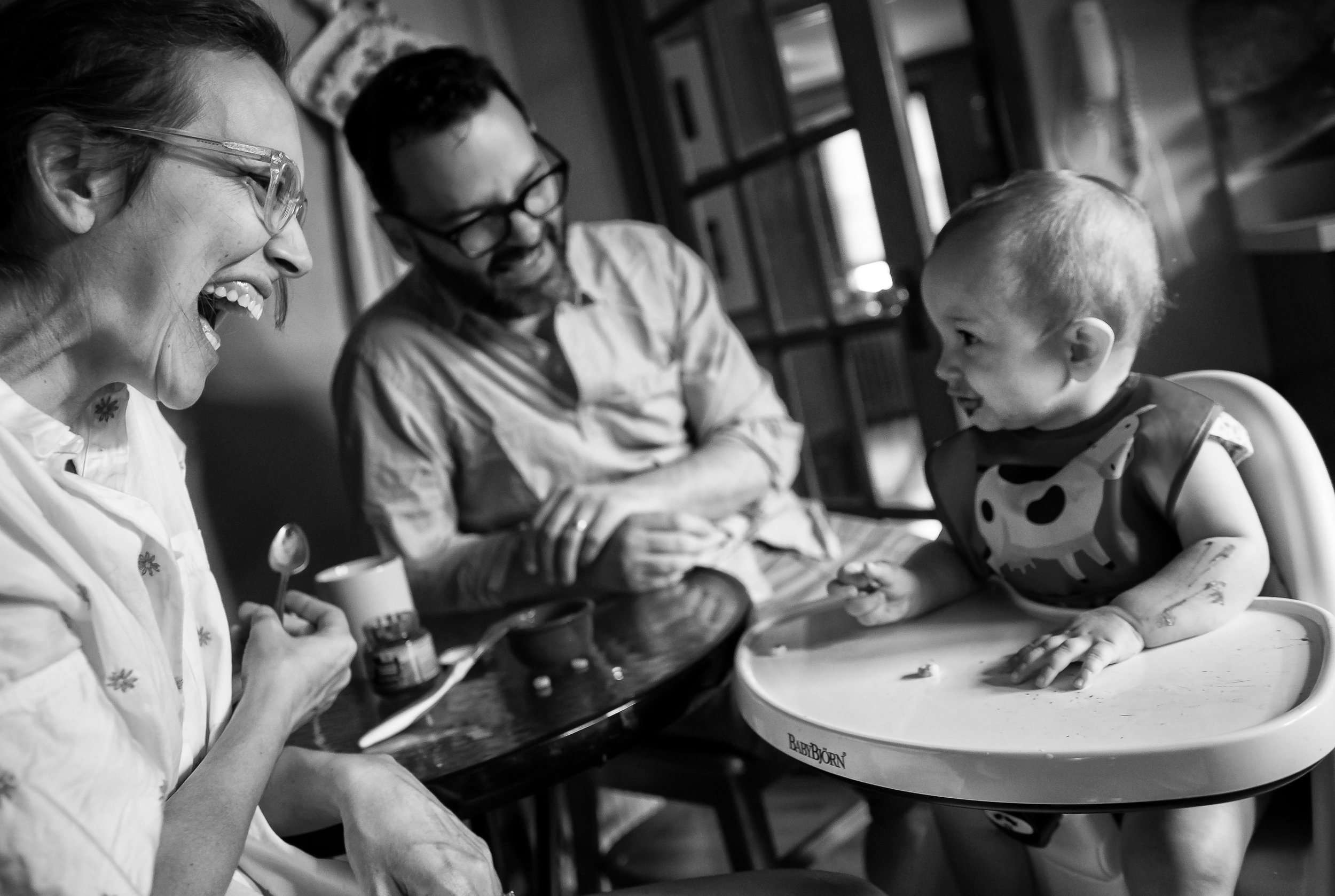
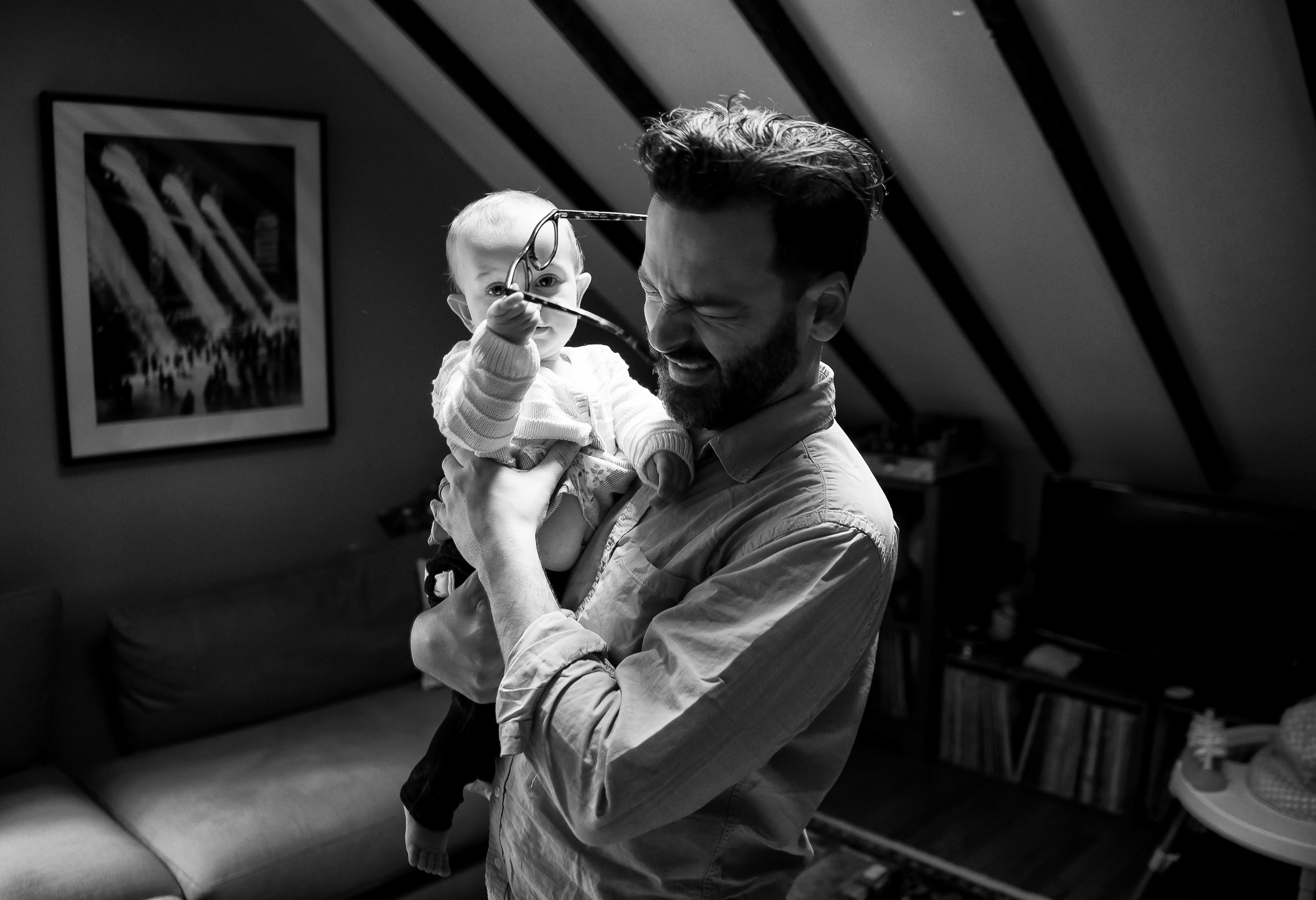
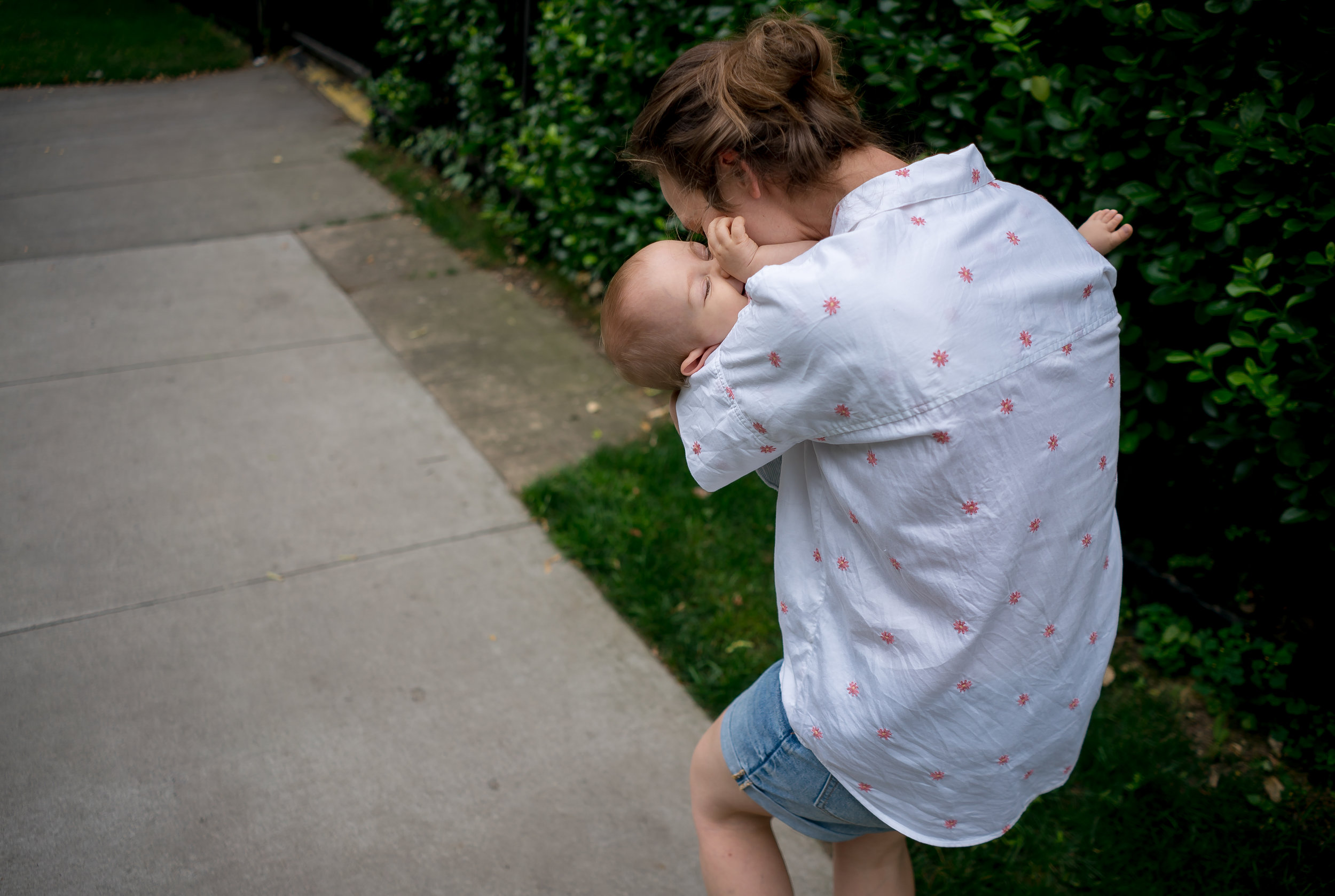
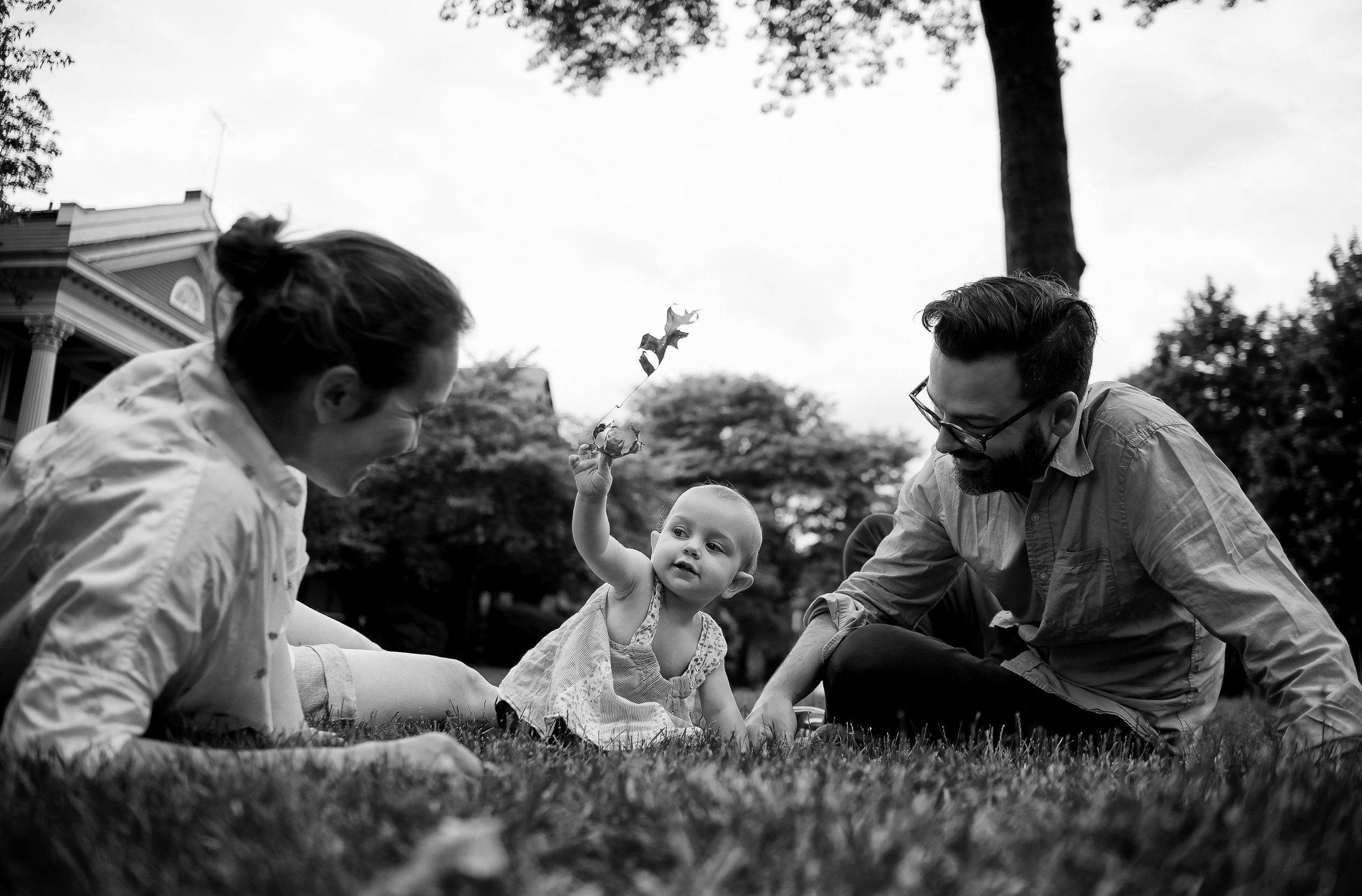
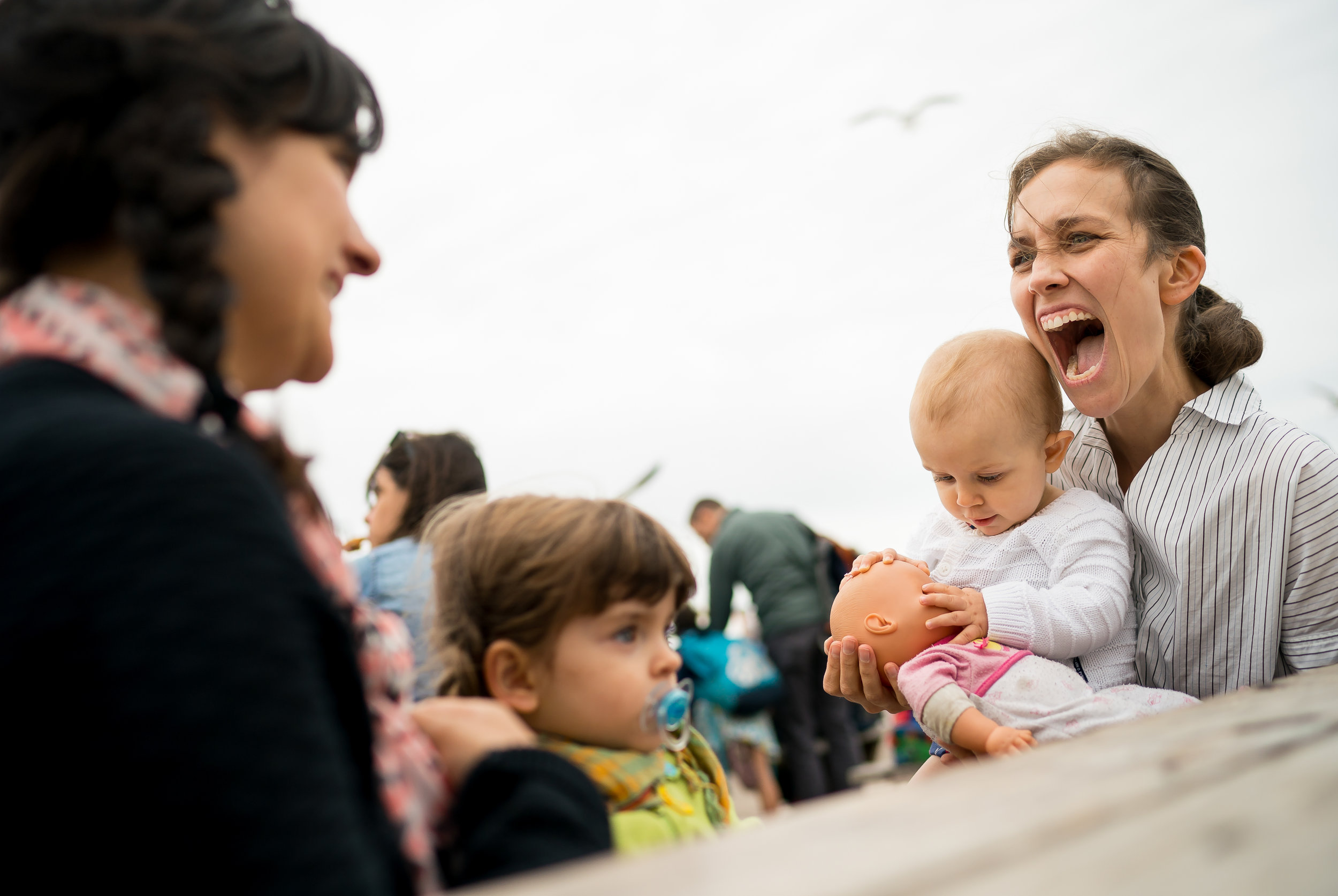
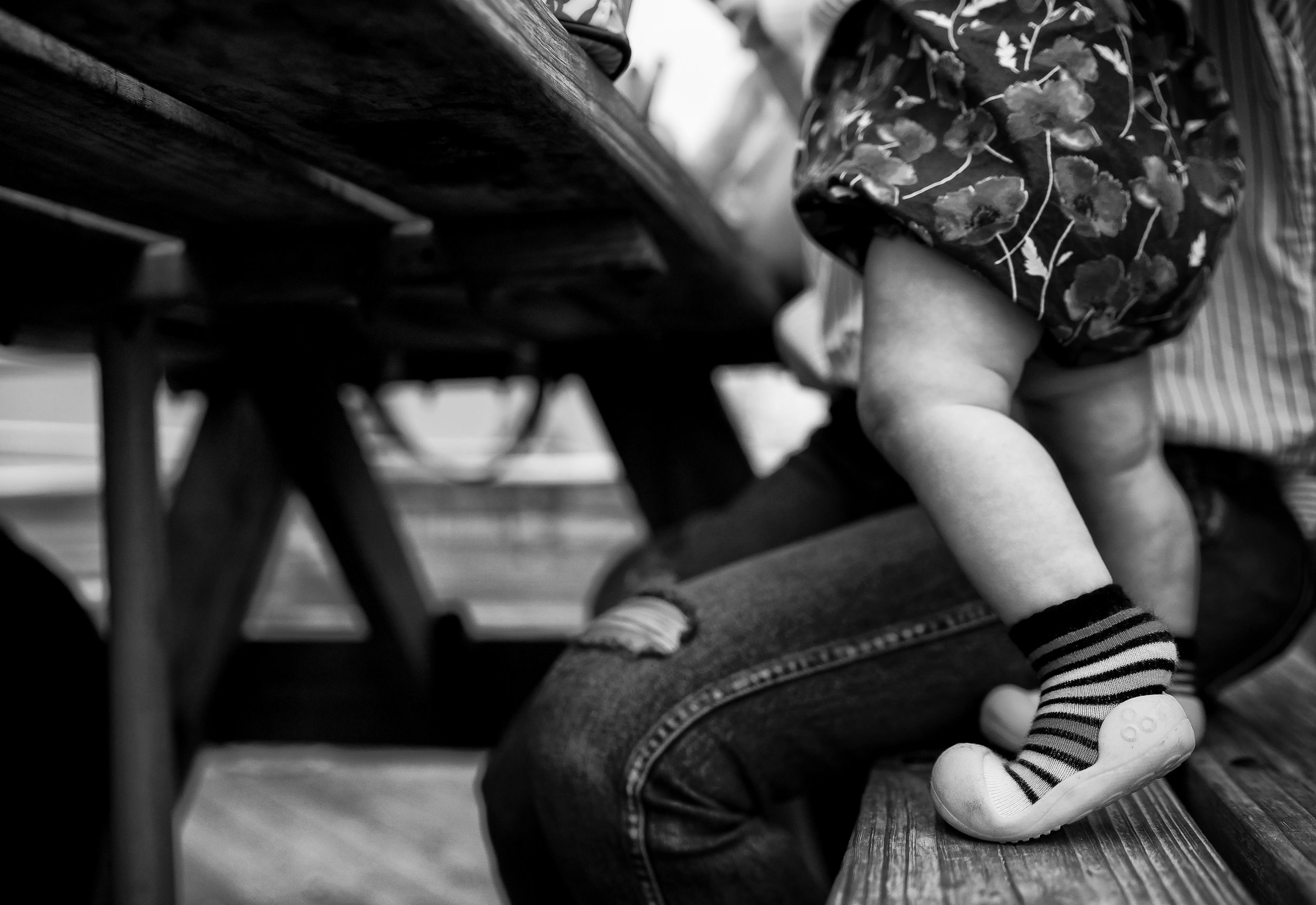
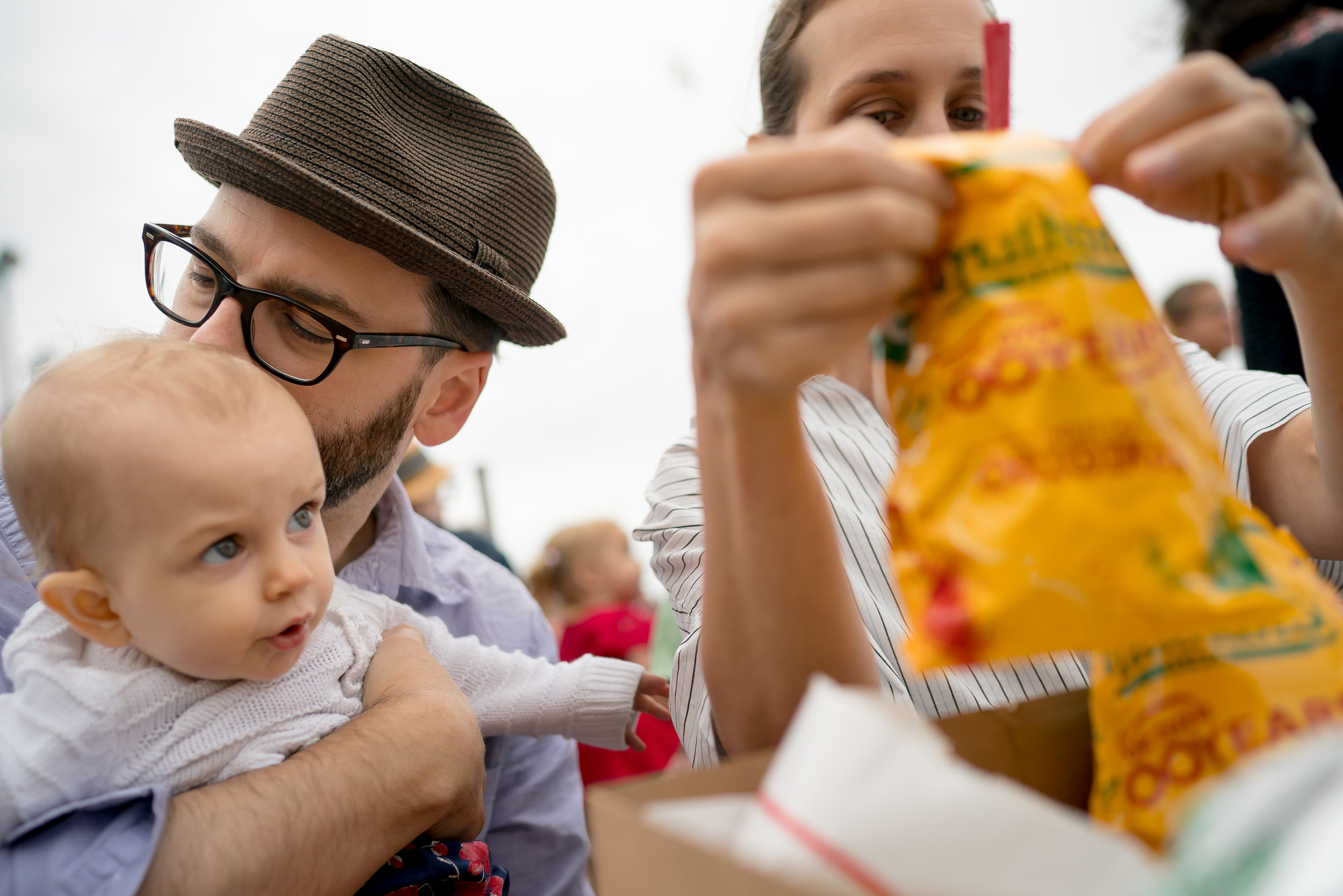
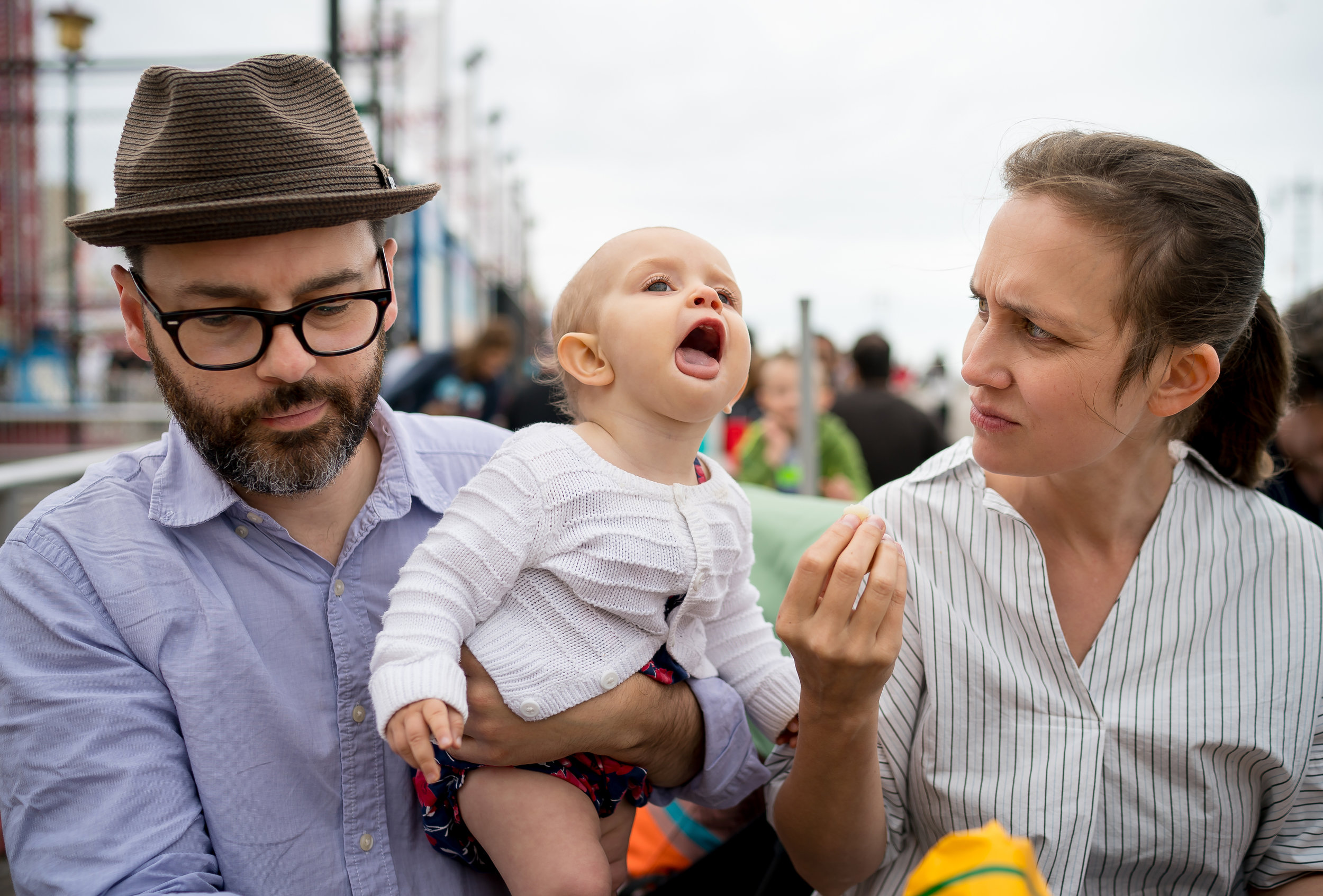
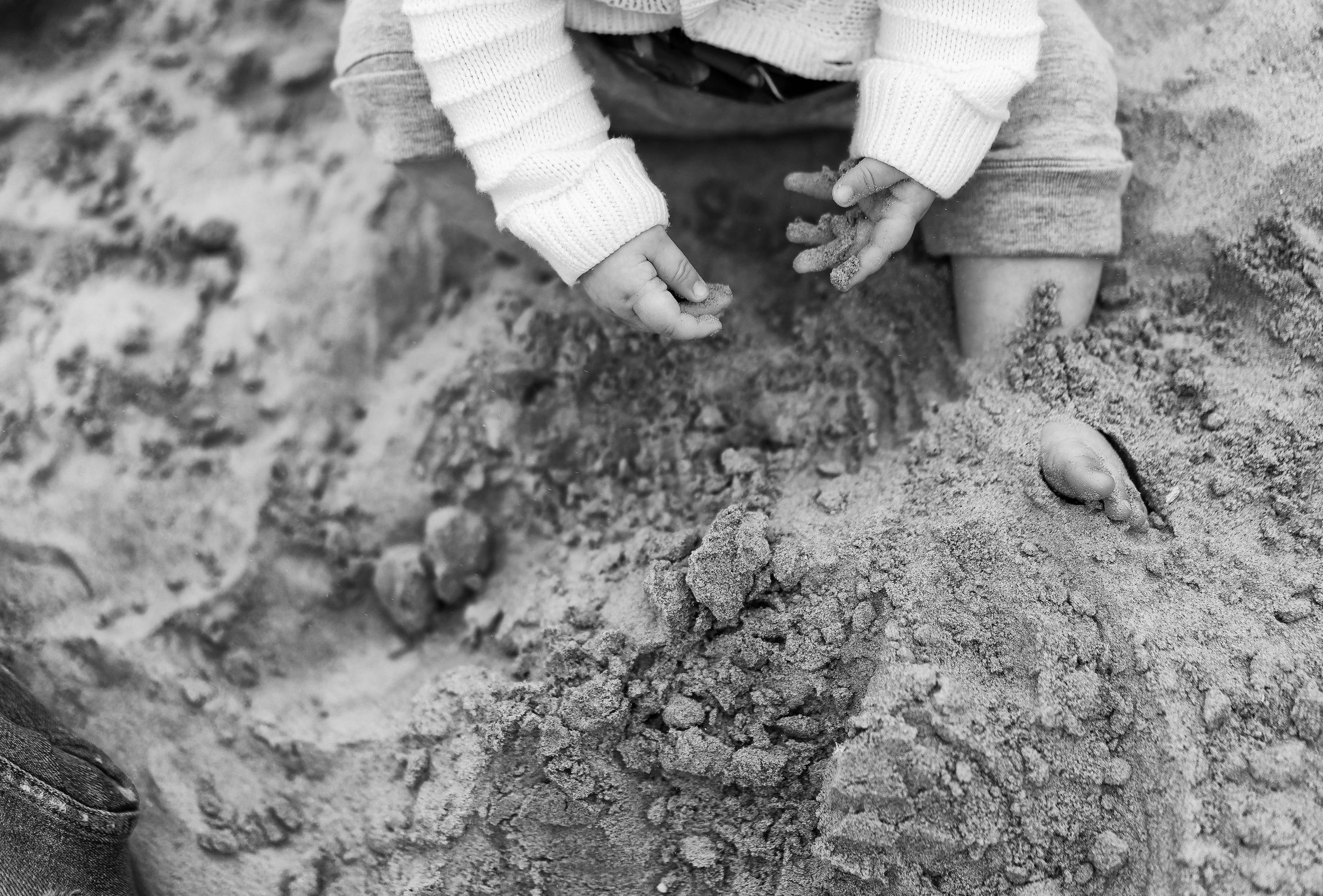
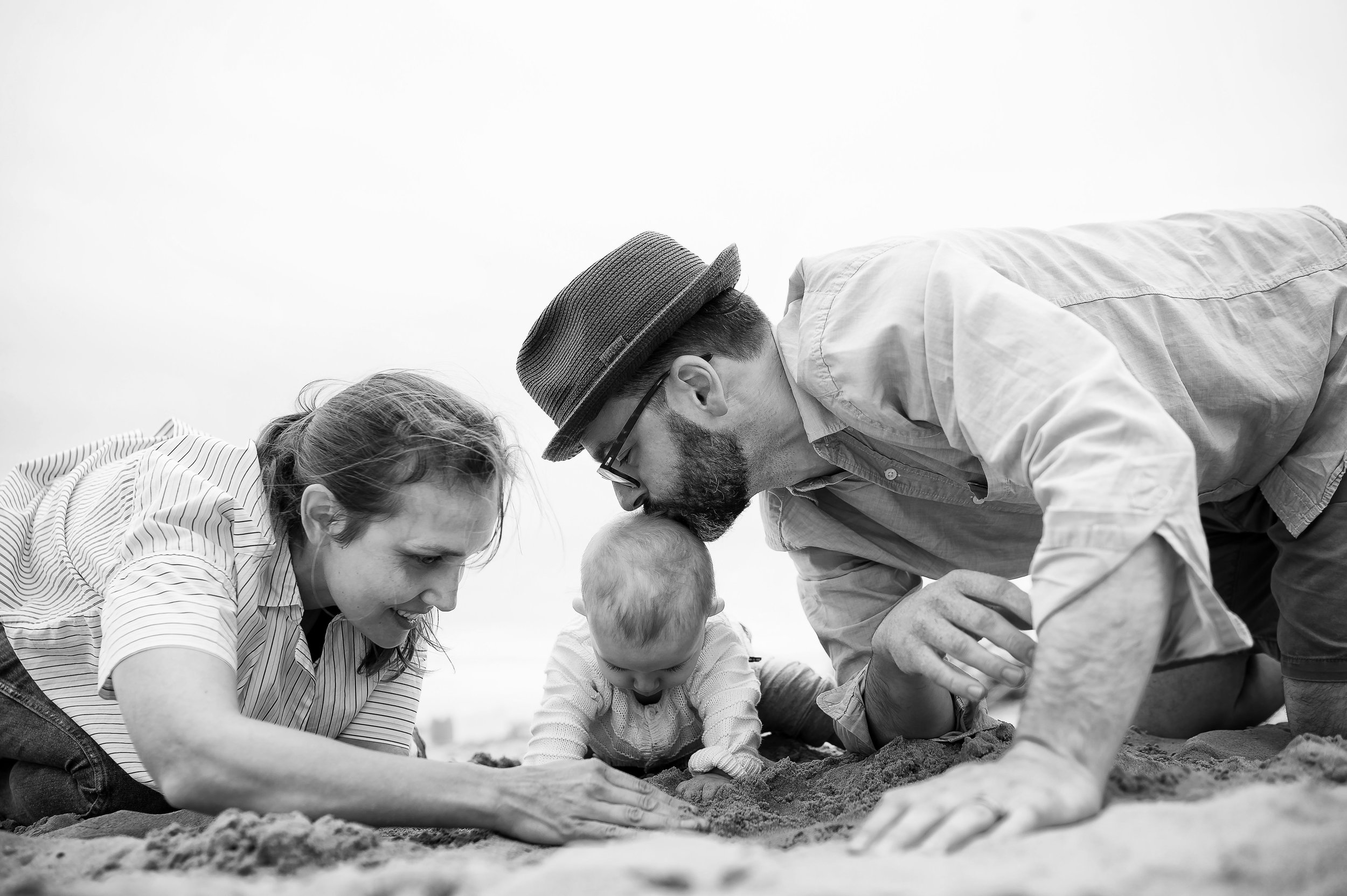
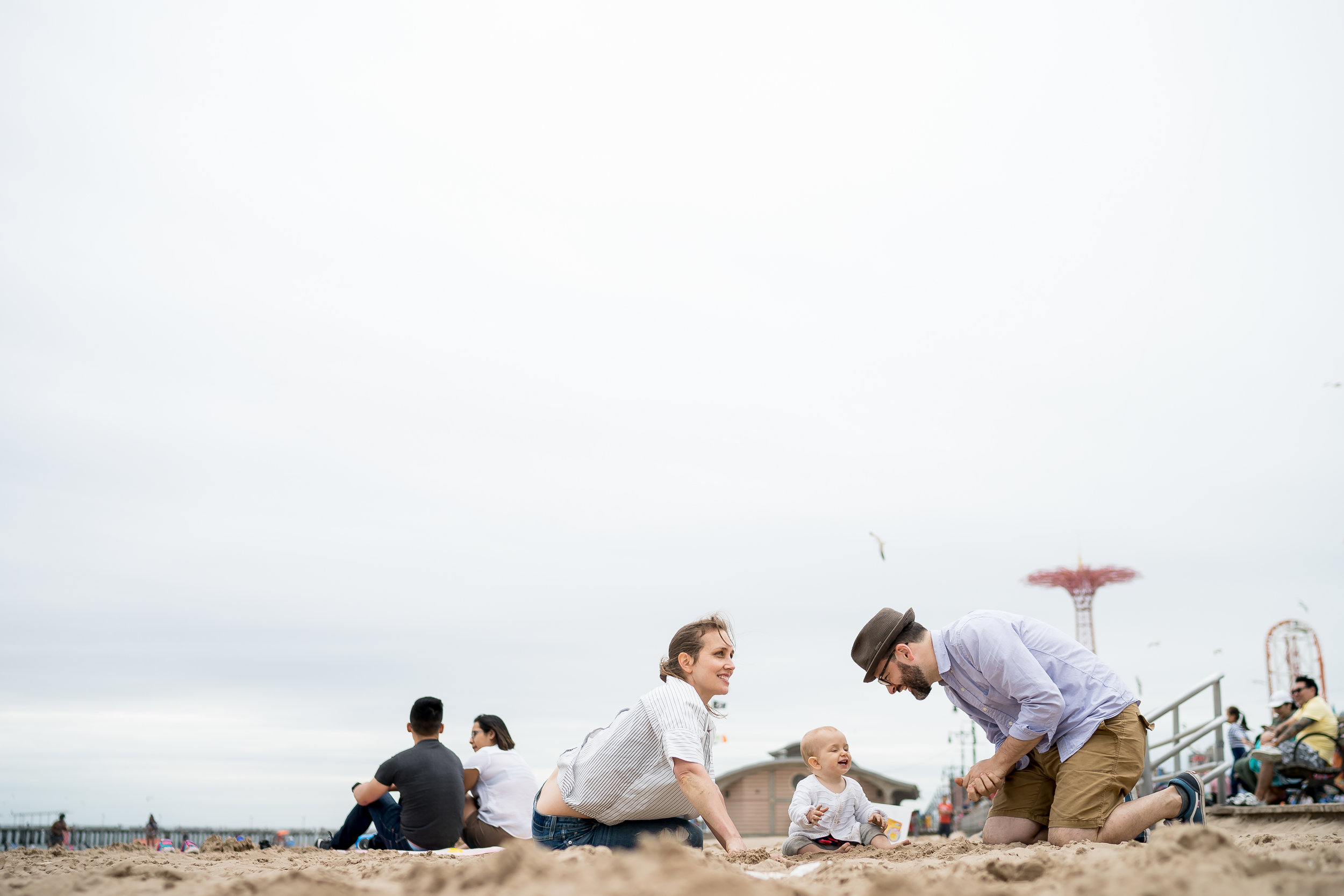
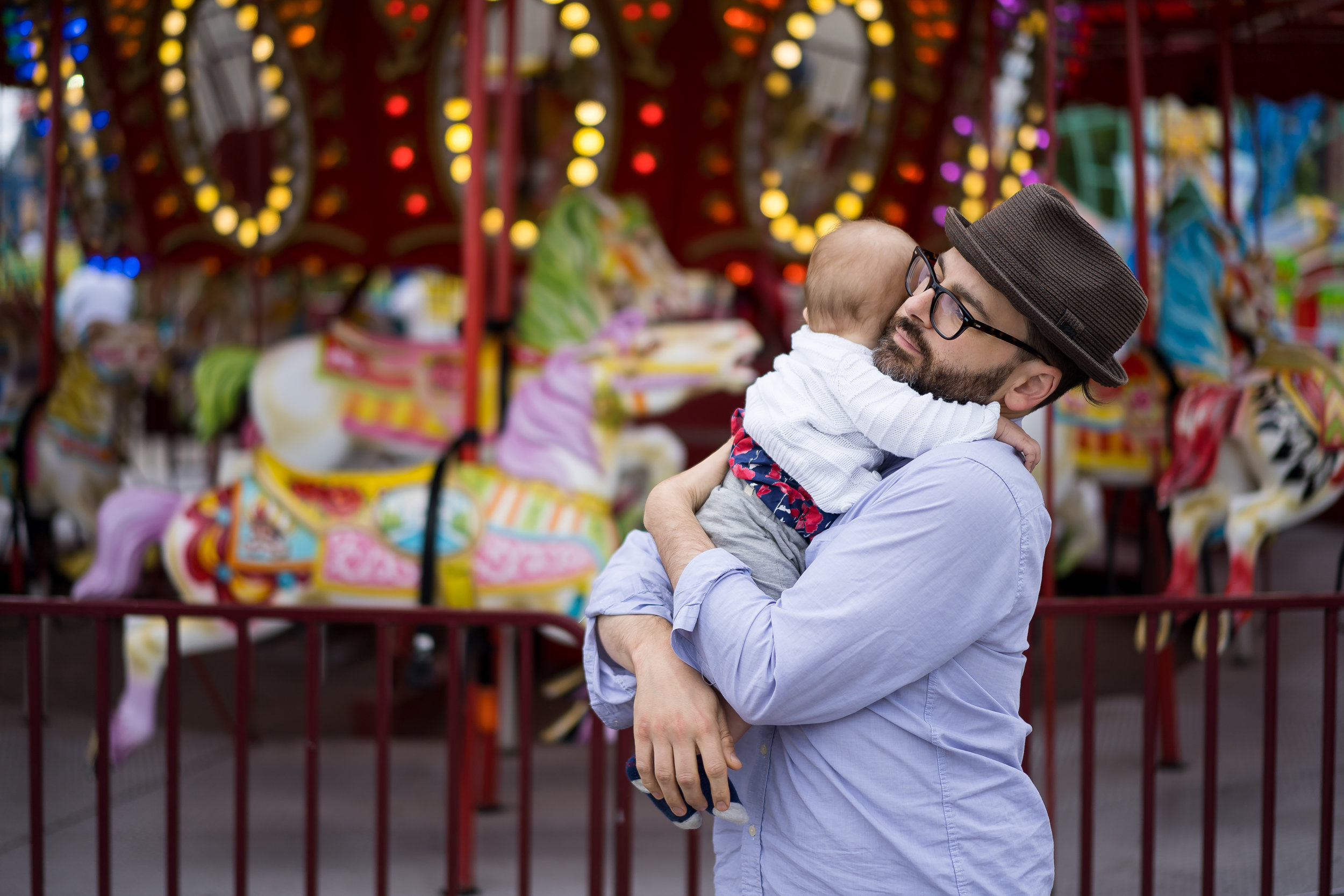
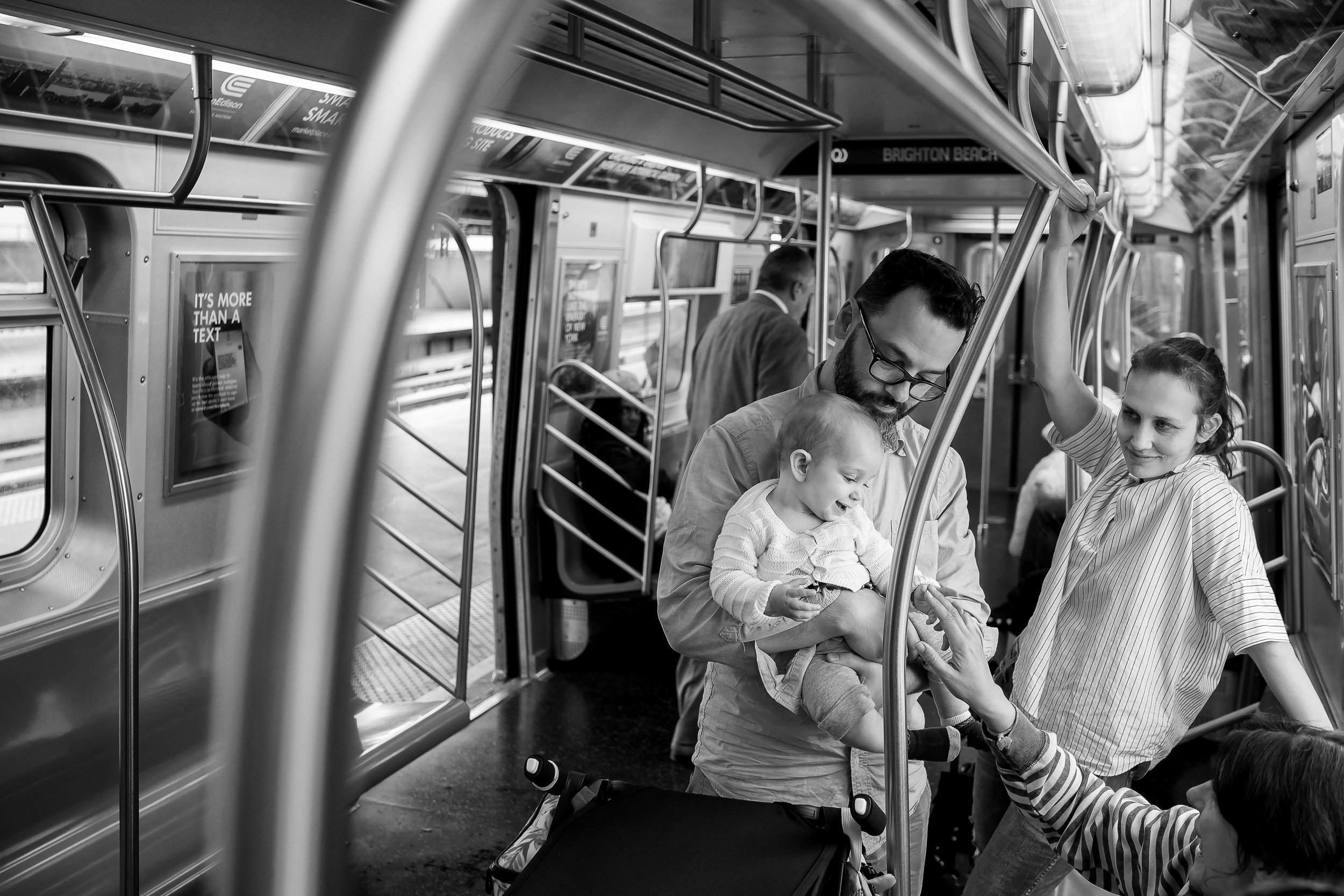
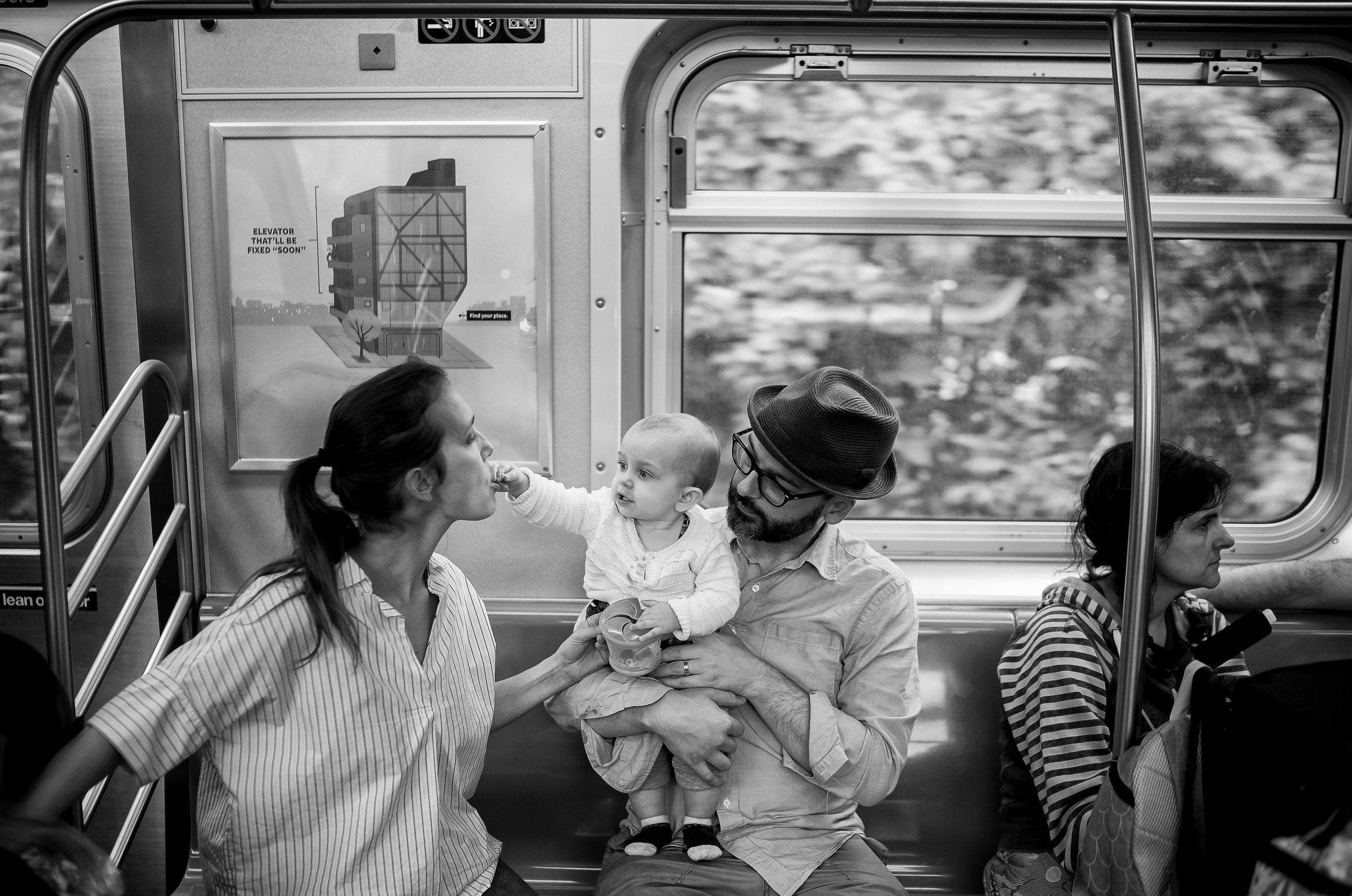
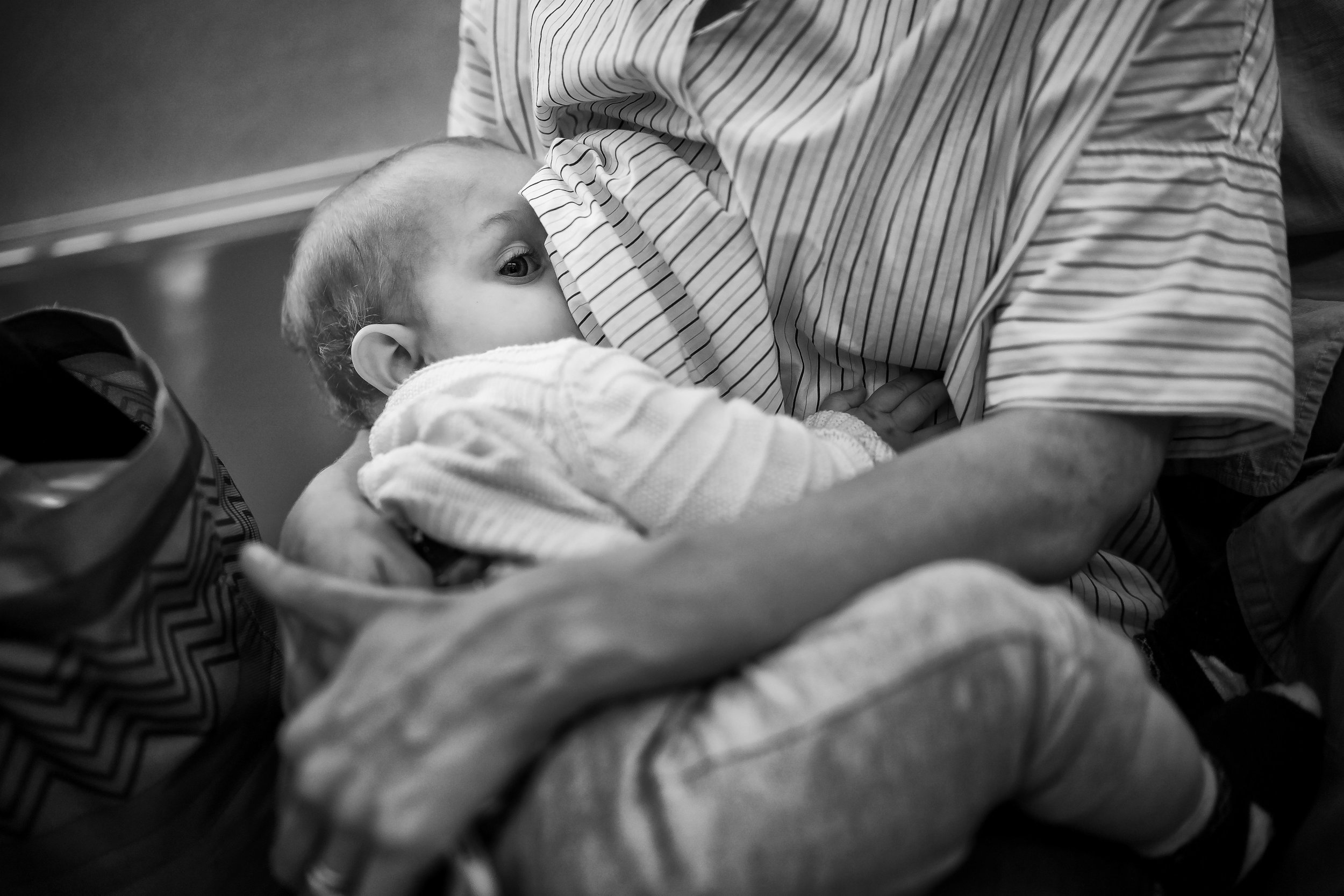
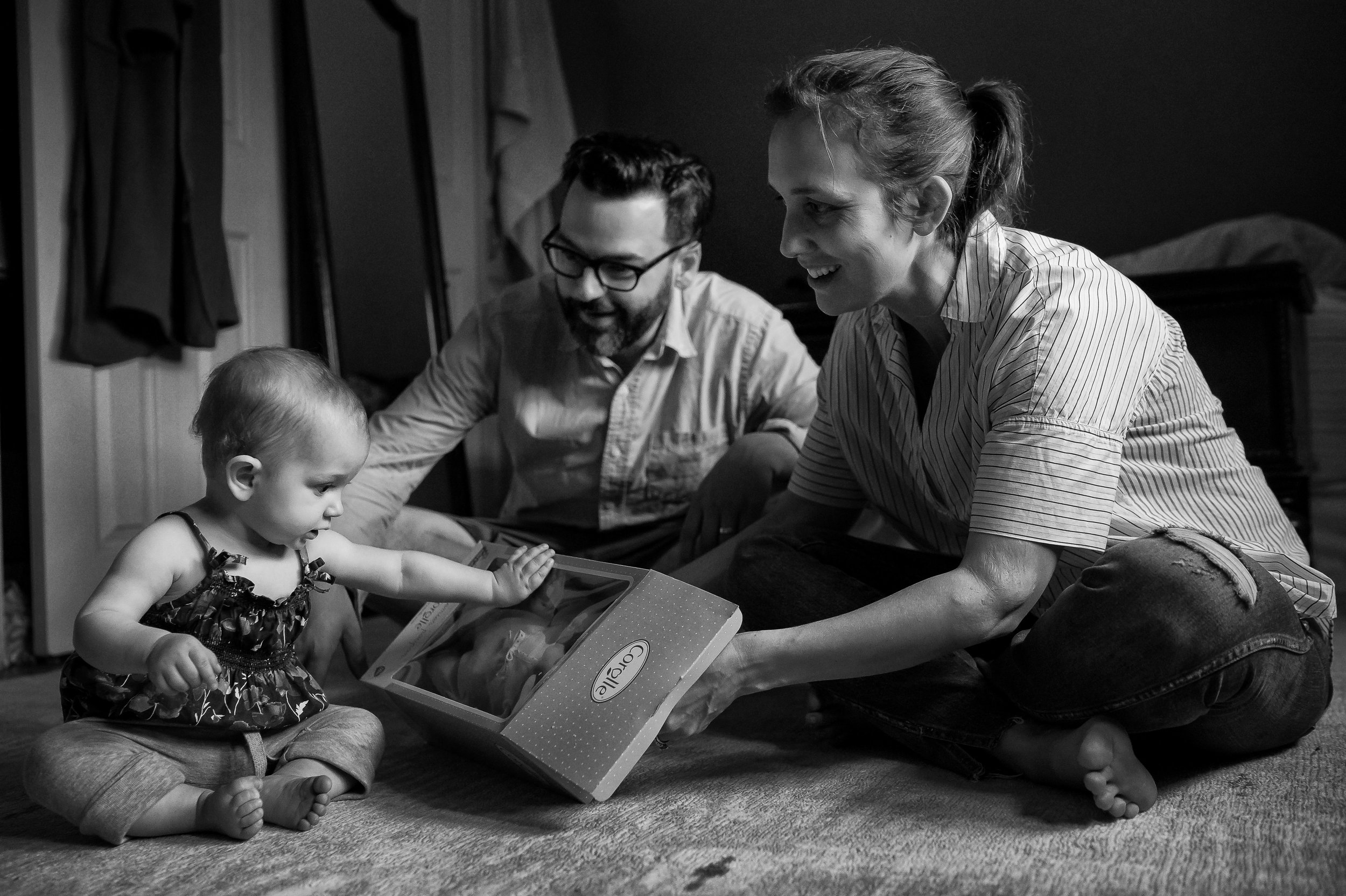
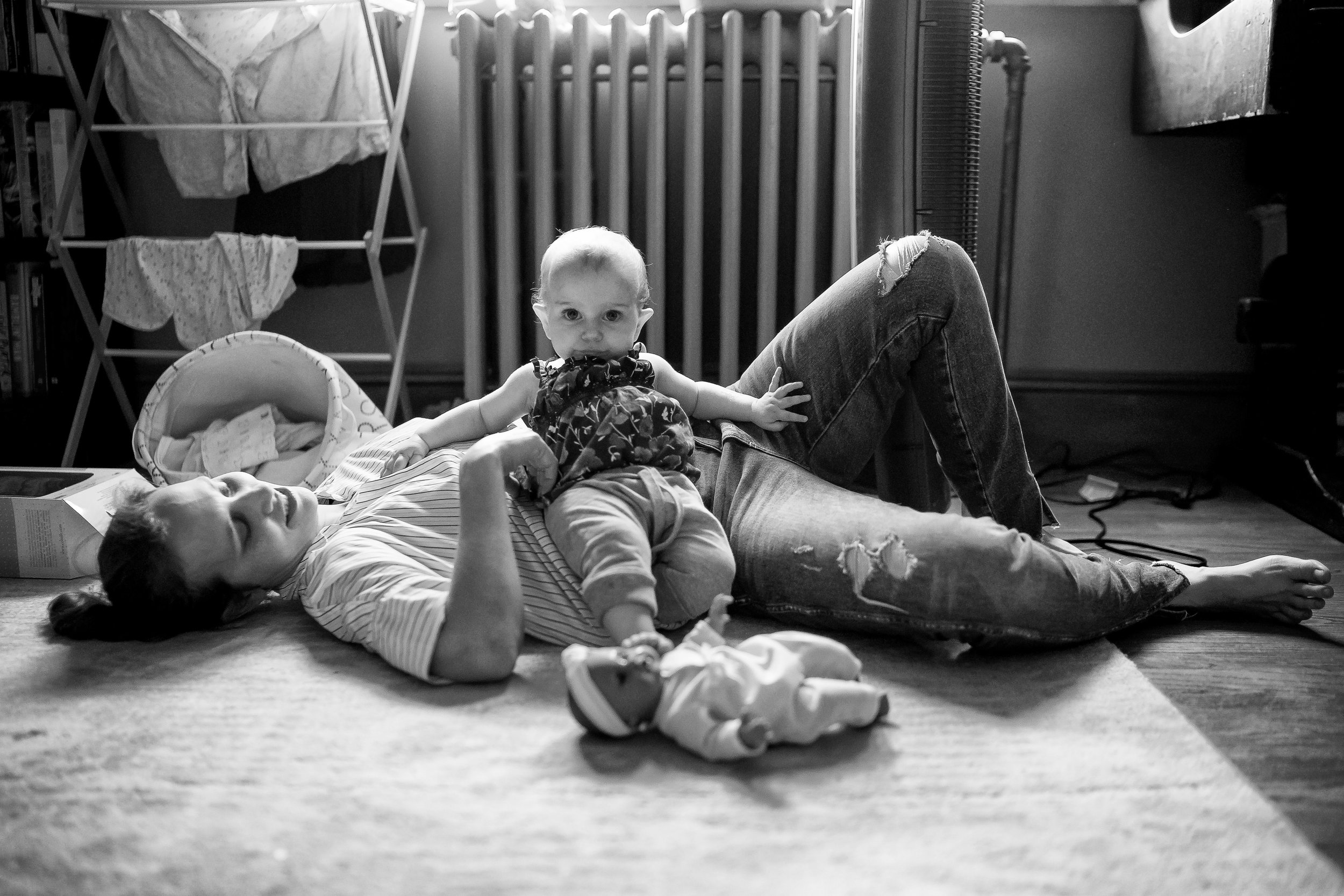
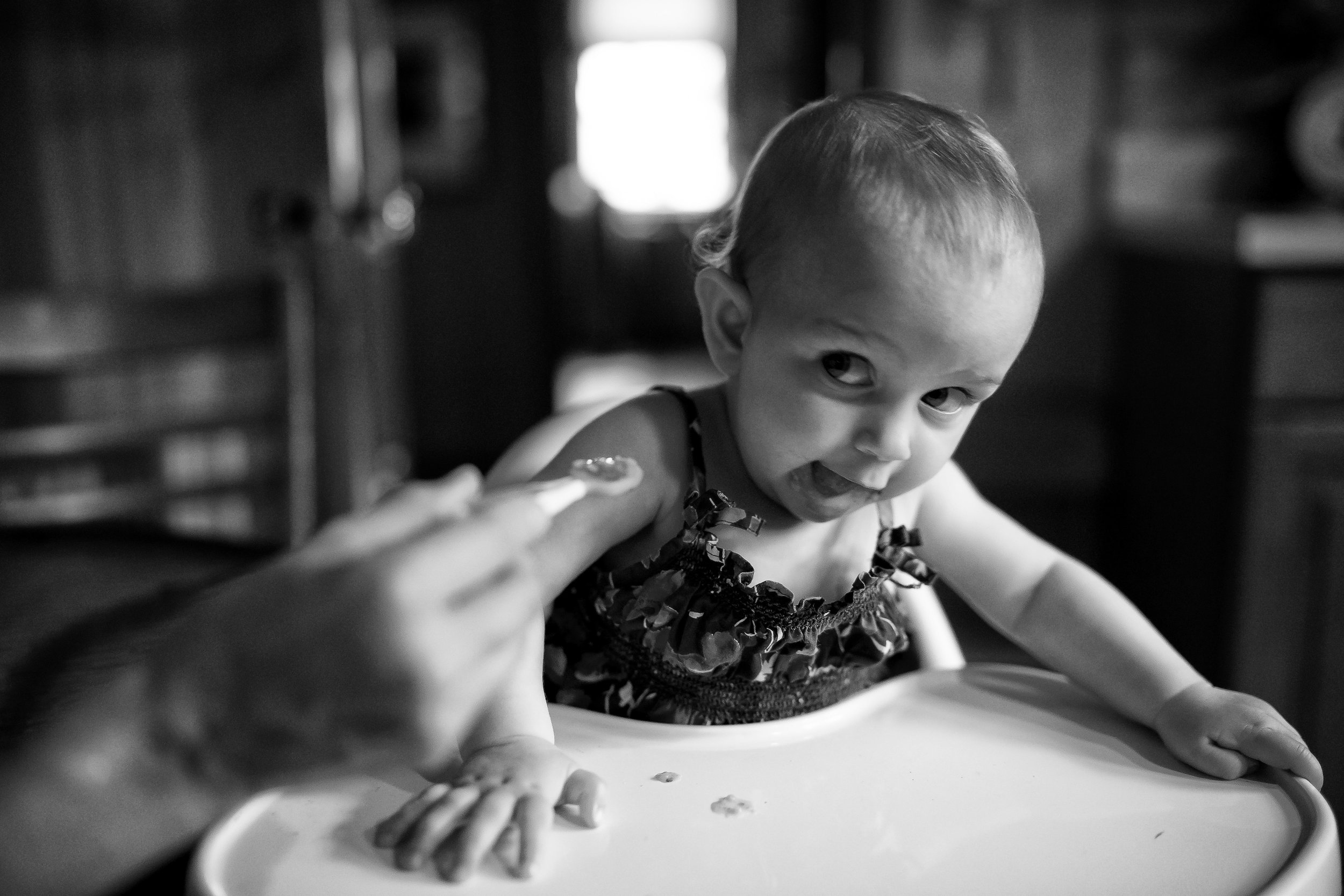
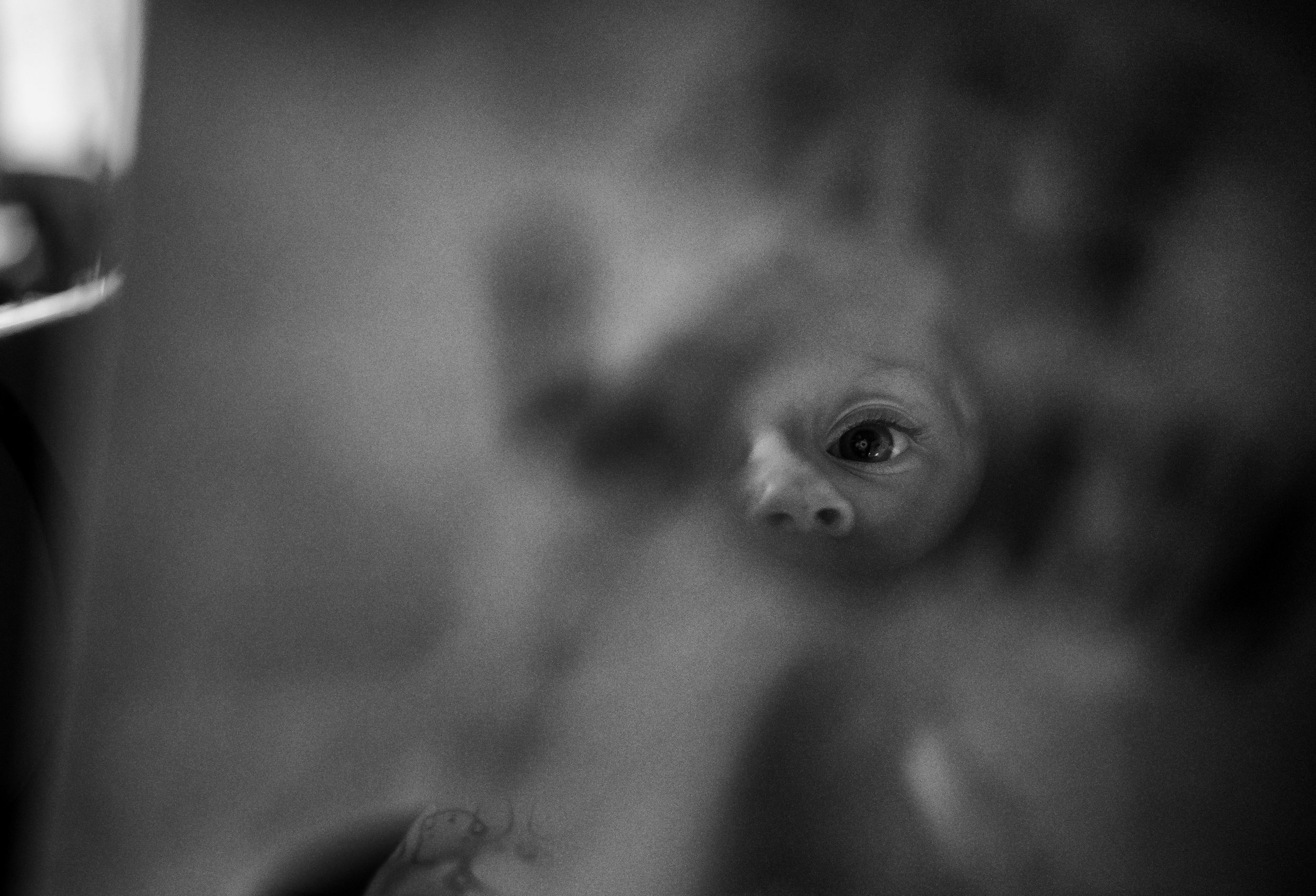
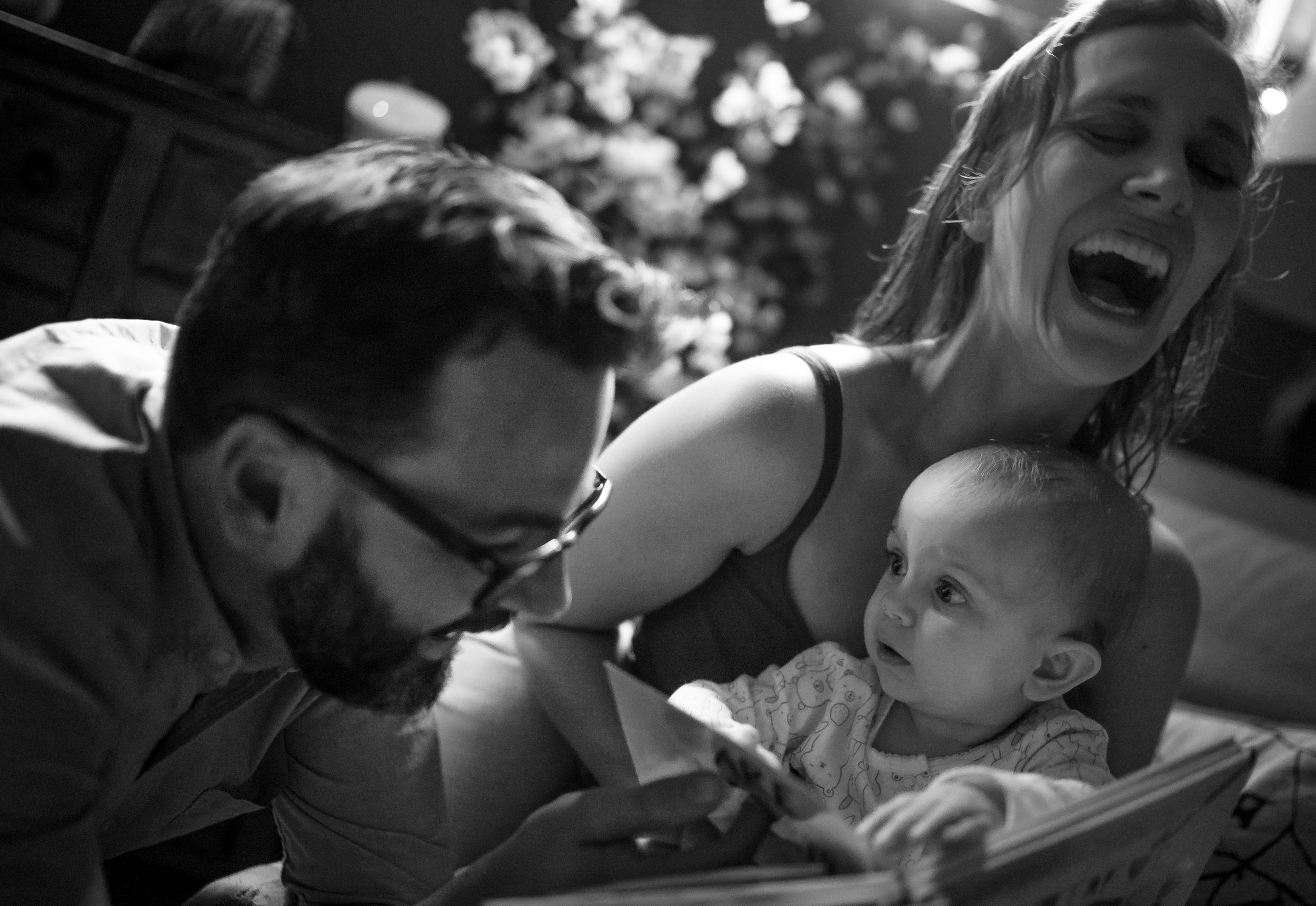
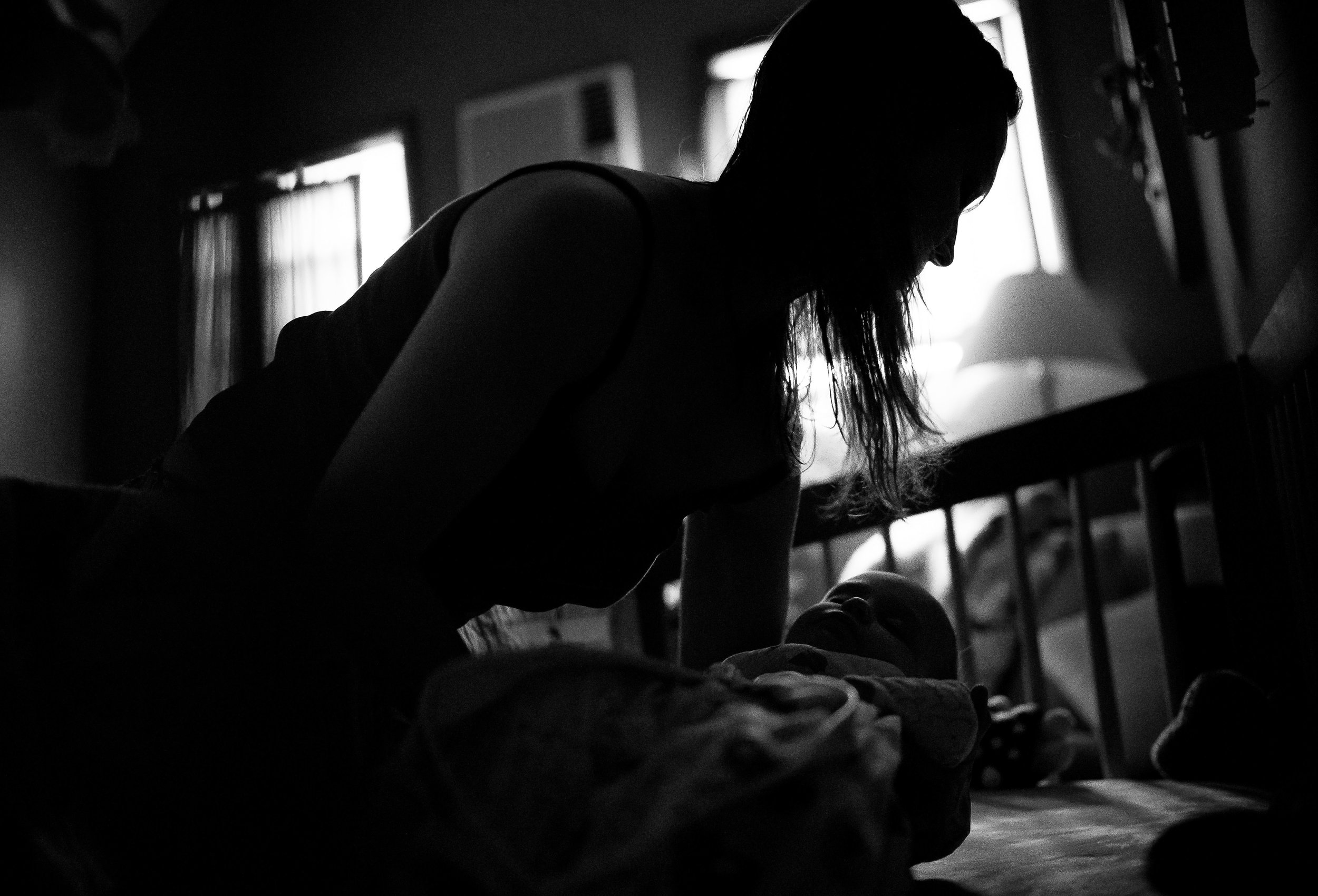
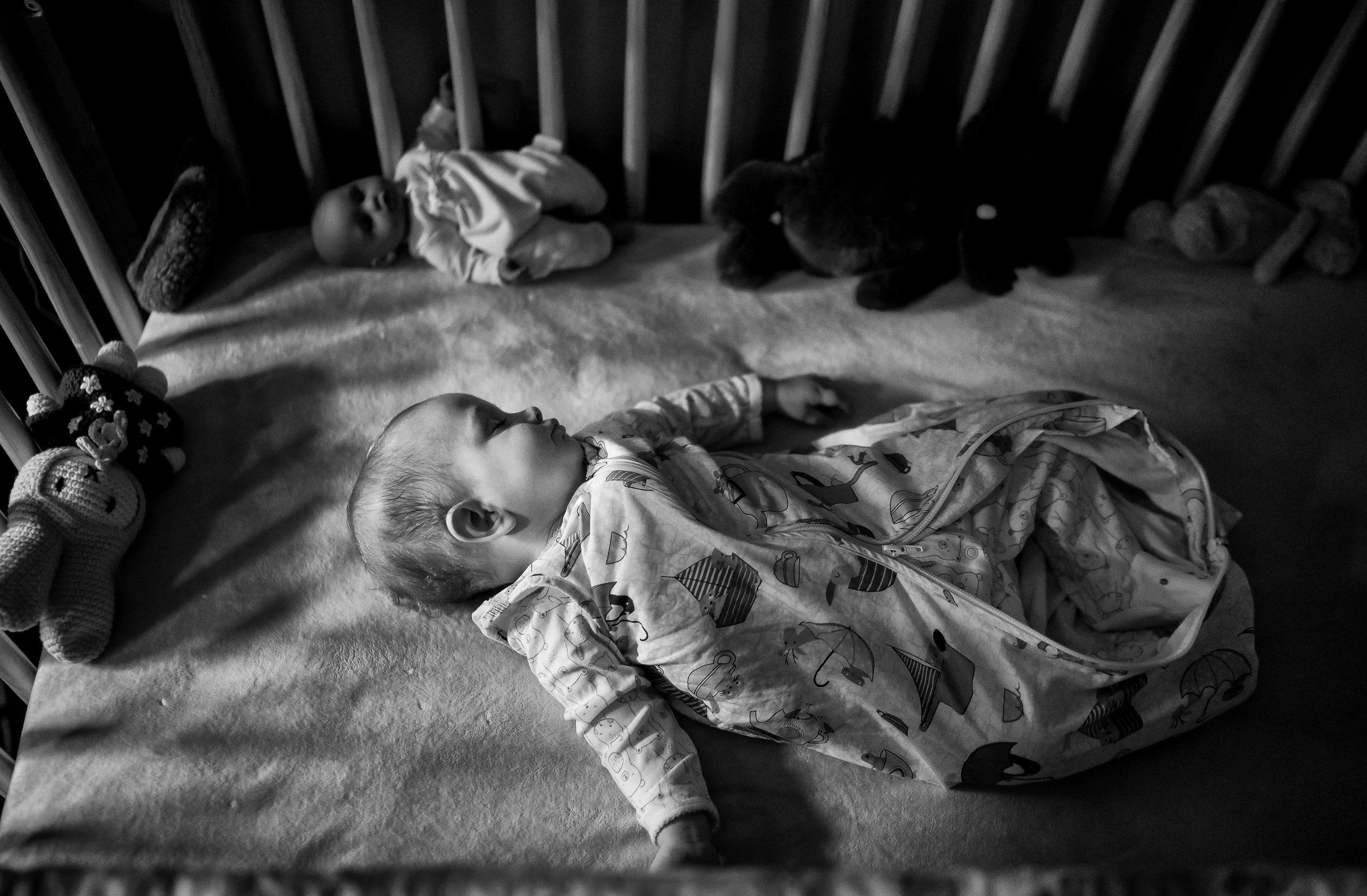
This is just some of the real story of this family. This is a baby enjoying a characteristic morning, smoothies and cereal and all. This is a baby going to Coney Island not because a photographer was there, but because friends were in town and wanted to go to Coney Island. This is what it was like to get her ready to sleep for the night.
There is a transcendence in families, what it means to be a parent or a husband or a wife or a son or daughter, and there are waves and waves of particulars, the things that surprise us when we look back and say "wow, *that's* what it was like."
We want to tell that all of this precisely because we realize how valuable it is for ourselves.




10 years ago. Jerpoint Abbey, Ireland
It began at a grave. Even then, my photographic life was transitioning into more and more professional work, so when I found myself traipsing about Ireland, just taking photos for the heck of it, I wanted to try to do something different than thousands of other tourists. But the thing about graves is that they don't really do much that's interesting. So … shallow depth of field? My 70-200 could certainly do that at the long end, but the frame was too tight, and uninteresting.
Wait. I had An Idea.
The way invention often works is that the mass of striving, stumbling human minds just waits until the conditions are right, and then related ideas begin popping up. Set the precursors, and you start seeing multiple people work toward inventing calculus or the theory of evolution … or the far less consequential but quite fun idea of slapping together a bunch of panoramic images to make images that are otherwise impossible without extreme labor or digital creation.
And so, with the scene set of panorama creating becoming easy enough to just try things and hope for the best, I was neither the first person to independently come up with this idea … nor the last (sorry Joel Grimes!)
So, while the pictures were fresh and exciting to me, the part I’m more proud of comes after: Young(er) Ryan realized that this was not some idea of staggering irreplaceable genius, but just a really neat idea … so the key was to see exactly what can be done with it, and then sharing ever single bit of that knowledge, quickly and completely.
Looking back at the pictures from 10 years ago, one conclusion is obvious: I am bad at taking vacations. Panoramas dominate the rest of the trip -- and experimentation. Two hours later, before I even know if this works, I am trying to pano an entire two-story building (verdict: it works, technically, but not worth the effort). Two days later I am capturing candid action in panorama … something even now I very rarely do. Lighting with it, trying off-camera flash (tip: keep the power low), poking around the edges to see what worked. And somewhere that week figuring out that the math was (with a perfect planar stitch) the same as a teleconverter in reverse.
And, the important part: sharing all this, right away. Not to sell workshops: I wouldn't for years later, and it would be five years until I made a video I could point people to when they wanted in-depth help. Just because knowledge should be free. To me this is the best impulse of media of all kind, carried into the social media world.
But in ways I've been apologizing for it ever since. "Hey world! You probably know this already but it seemed pretty cool. I probably won't be so good at it since my work is about people and meaningful moments captured in very tight time frames, none of which says 'do this as a panorama,' but here you go!"
Even as I write this I cringe inside because it seems so self-promotional, even when being self-promotional is how someone running a business puts food on their table and self-promotion is the default mode of today's Internet.
Five years ago — September 2013 — that. I let my web site basically die. I shelved a helpful tutorial I had spent thousands on producing just from hearing the voices of not-yet-existent forum trolls yelling "Is he claiming he invented the composite?" (Not at all; I just made it extremely efficient in the pursuit of laziness.) But I also did a great deal of work on the person who I was away from the Internet. I went from the guy who probably scared a few assistants with my intensity (truly sorry for some of those drives though NYC traffic) to someone who has written this entire thing on his phone because he's watching my baby son sleep.
What comes next is, I hope, building on the good and letting people say what they may. We have seen more and more the weird darkness of social media … but watching this one neat idea of had 10 years ago branch out, be taught in colleges I attended, and carry the name of my father and son to many people struggling to pronounce "Brenizer," I remind myself of its possibilities.
Thank you.
Read the tech detail here and check prices here
I don't buy much gear on a whim, but when Lensbaby announced a 45mm "tilt-shift" for $200, I looked at my badly broken and nearly $2,000 Nikon 45mm PC-E and said … "Maaaaybe I'll give this a try."
That was 15 minutes ago.

Ok, this is glib -- and very precise. There are plenty of ways to make compelling images with this lens. It just depends on your needs. We use selective focus rarely, as it is best in small doses, but have had a lot of fun with the new ways of seeing control over the angle of the focal plane can give you. We use it for details on occasion and need the control for creative use in portraiture or relatively static coverage such as ceremonies or getting ready.
The good news is that you can actually do this to some extent -- focusing on areas closer to you and farther away. The bad news is that it is a liberal definition of "focus." I did not expect critical sharpness but we need a certain level of it to shoot details, and on this lens even basic sharpness -- not necessarily reading words on a page but seeing that there are words to begin with -- can only be achieved in certain areas, such as the center or the closer side of the tilt. This takes away tons and tons of even the basic usage of a real tilt-shift for us.
Well, it was fun while it lasted. Astonishingly there are trade-offs when you cut nearly 90 percent off the price of a lens.